


















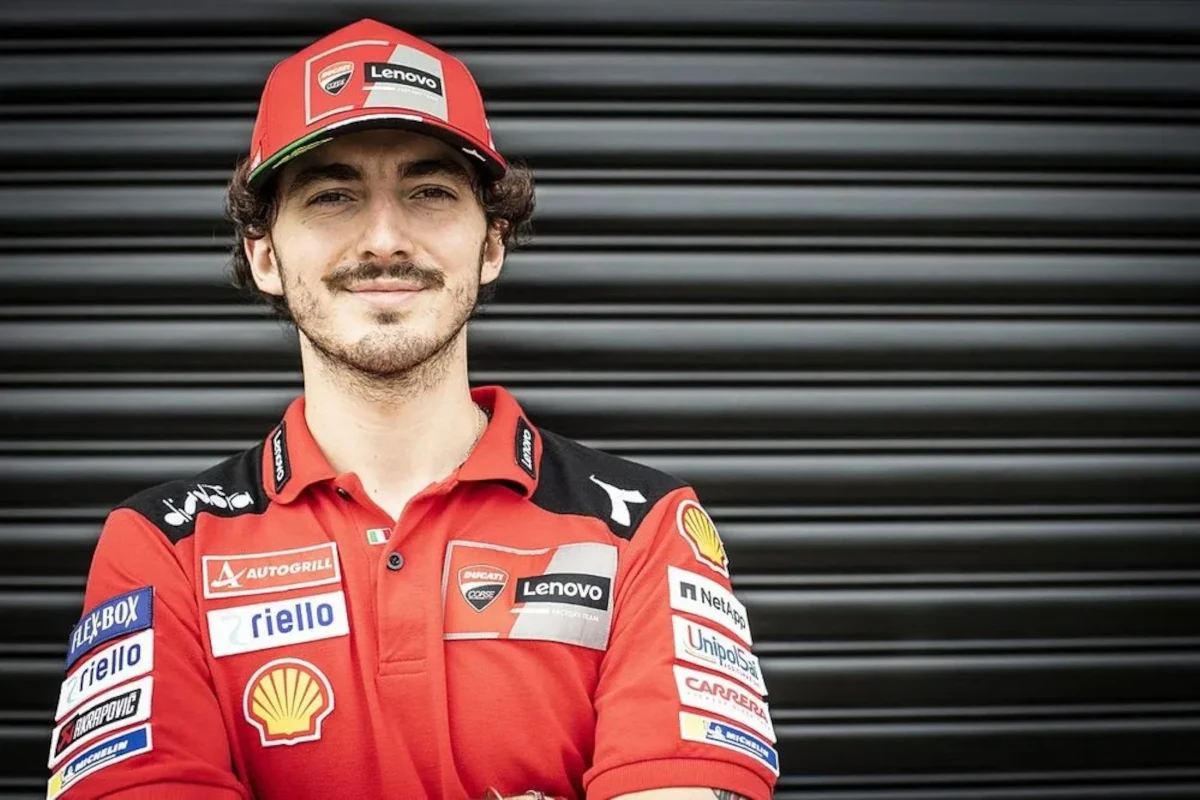
The Brazilian Meltdown: Why Bagnaia is Demanding a “Crash Test” for New Tracks
MotoGP just had a “reality check” in Brazil that felt more like a wipeout. After a 22-year hiatus, the return to Goiânia wasn’t the samba-filled celebration fans expected—it was a logistical and mechanical nightmare that has the reigning champ, Francesco “Pecco” Bagnaia, sounding the alarm.
Here’s the breakdown of why the “status quo” just hit a wall at 200 mph.
The Chaos by the Numbers
Brazil wasn’t just “bumpy”; it was statistically disastrous for a premier-class event:
- -8 Laps: The Grand Prix distance was slashed mid-weekend because the track was literally disintegrating under the torque of 300hp prototypes.
- 72 Hours of Disruption: From FP1 to the checkered flag, sessions were delayed or altered due to surface degradation.
- “FIM Standards”: The track was technically “in compliance,” proving that the current rulebook might as well be a coaster when it comes to the sheer violence of a modern MotoGP bike.
The “Production Bike” Myth
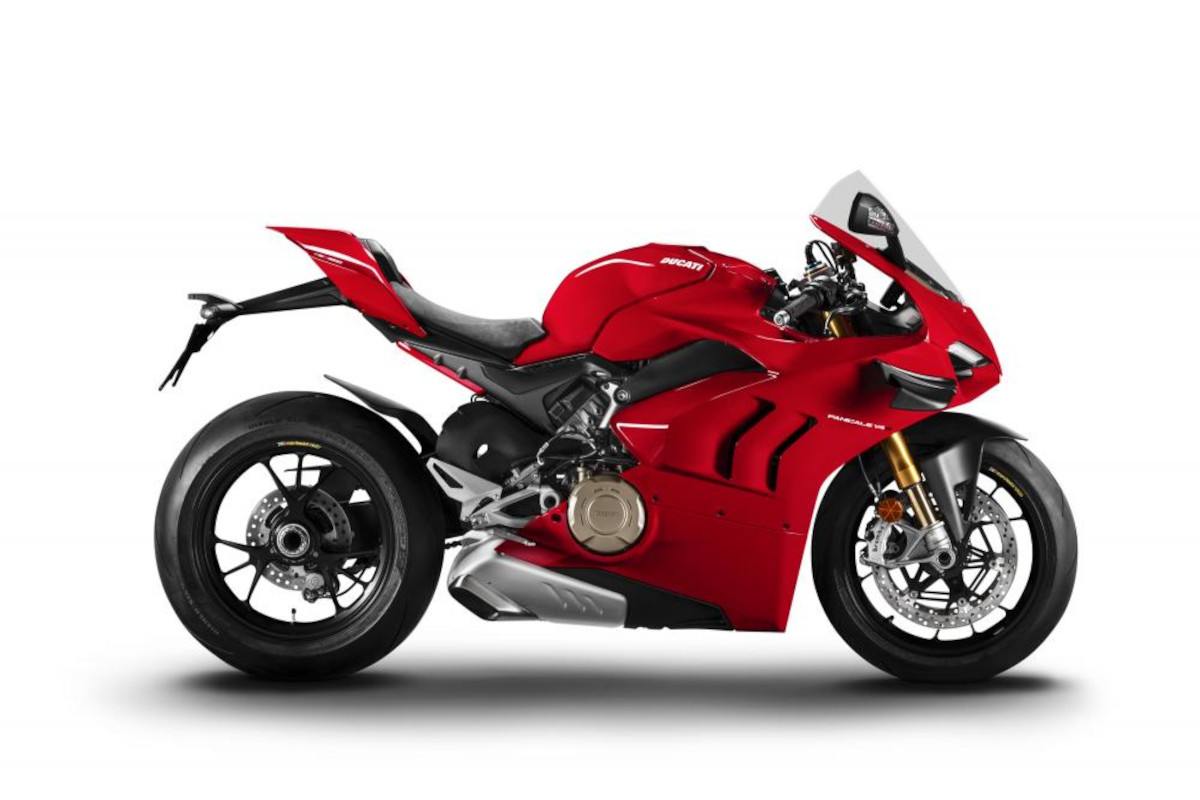
Before the race, street-legal production bikes tested the asphalt and gave it a thumbs up. Bagnaia’s response? “Not even close.”
“If you ride a production bike on a track, you can’t see its limits. You aren’t putting the same load on the tires, the aero, or the gearbox.”
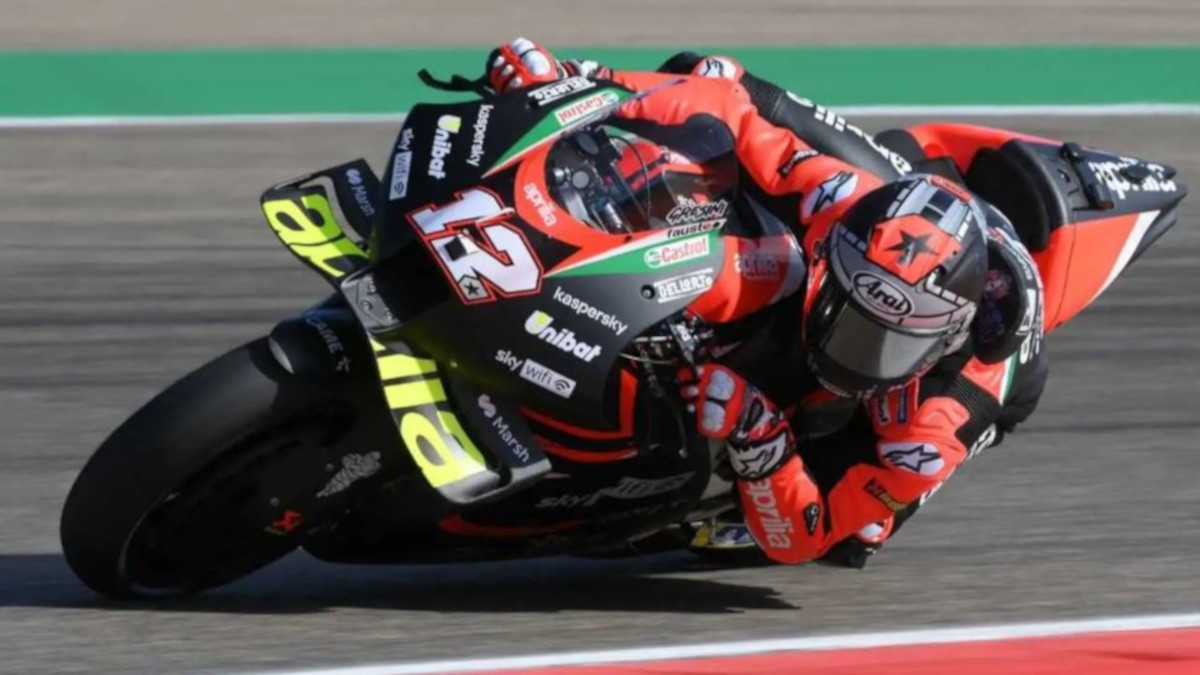
A street bike is a scalpel; a MotoGP bike is a jackhammer. Pecco is insisting that unless a prototype touches the tarmac, the “homologation” is just a pinky promise.
The Proposal: Send in the Scouts
With Buenos Aires and Adelaide joining the calendar next year, the stakes are skyrocketing. Bagnaia knows the schedule is a logistical beast, but he has a solution that balances the books and the safety: The Test Riders.
- The Blueprint: Look at Indonesia 2022. Michelin and the teams tested beforehand, realized the tires would melt, and changed the allocation before the race weekend.
- The Compromise: We don’t need the whole grid. Send the factory test riders (the Pirros and Pedrosas of the world). Even if they aren’t at 101% pace, they provide the “stress test” that a street bike never could.
The Bottom Line
MotoGP is currently in a “Golden Era” of tech, but as Brazil proved, all the aero and ride-height devices in the world won’t save you if the floor is lava. Bagnaia isn’t just asking for a test; he’s asking for a guarantee that the “pinnacle of motorcycling” doesn’t turn into a glorified dirt track race.
The question now for Dorna and the FIM: Is the cost of a private test higher than the cost of a ruined Grand Prix?
Great idea. If Bagnaia’s “test-before-you-race” rule isn’t adopted, we are looking at two massive wildcards in 2027. Both Buenos Aires and Adelaide represent polar opposite challenges that could make or break the championship.
Here is how they stack up against the new FIM Grade A safety demands.
1. Buenos Aires, Argentina: The “Phoenix” Circuit
After years of Termas de Río Hondo’s financial struggles, MotoGP is returning to its roots at the Autódromo Oscar y Juan Gálvez. But this isn’t a simple facelift; it’s a $100 million total reconstruction.
- The Overhaul: To meet FIM Grade A standards, they aren’t just repaving; they are deleting the legendary (but lethal) Salotto Curve. It was a high-speed sweeper with zero run-off—now being replaced by a tighter, safer variant designed by Hermann Tilke.
- The Risk: History. The track was built in 1952. Even with modern tech, blending a 70-year-old foundation with 340 km/h top speeds is a recipe for the “surface degradation” Bagnaia is terrified of.
- Crucial Stat: They are aiming for 150,000 capacity, making it one of the largest on the calendar. If the track fails, that’s a massive logistical nightmare to refund.
2. Adelaide, Australia: The Ultimate Gamble
This is the one that has the paddock buzzing—and sweating. MotoGP is ditching the flowing, high-speed Phillip Island for a City Street Circuit.
- The Design: A 4.2 km loop through the city’s Parklands. While it’s based on the old F1 layout, it has been “engineered from scratch” for bikes.
- The Run-off Problem: Street circuits are famous for walls, not gravel traps. FIM Grade A requires massive run-off zones for a bike sliding at 200 km/h. To solve this, Adelaide is using wide parkland areas to create temporary gravel traps—a first for a “street” race.
- The Backup Plan: Proving how risky this is, The Bend Motorsport Park is already listed as the official backup. If the FIM inspector (or the riders) says “No” to the streets, the race moves an hour out of town.
The “Bagnaia Comparison” Table
| Feature | Buenos Aires (Permanent) | Adelaide (Street) |
| Primary Safety Concern | Surface consistency & old foundations | Concrete walls & lack of run-off |
| Top Speed Projection | 320 km/h | 340+ km/h |
| FIM Hurdles | Homologation of “re-born” sectors | Grade A certification for a non-permanent track |
| The “Pecco” Fix | Needs a test to check tarmac “seam” | Needs a test to verify temporary gravel traps |
Why 2027 is the “Danger Zone”
These aren’t just new tracks; they are new concepts. A street circuit at 340 km/h has never been done in the modern MotoGP era. Without Bagnaia’s proposed test sessions, the first practice in Adelaide could be a very expensive experiment.
Great idea. If Bagnaia’s “test-before-you-race” rule isn’t adopted, we are looking at two massive wildcards in 2027. Both Buenos Aires and Adelaide represent polar opposite challenges that could make or break the championship.
Here is how they stack up against the new FIM Grade A safety demands.
1. Buenos Aires, Argentina: The “Phoenix” Circuit
After years of Termas de Río Hondo’s financial struggles, MotoGP is returning to its roots at the Autódromo Oscar y Juan Gálvez. But this isn’t a simple facelift; it’s a $100 million total reconstruction.
- The Overhaul: To meet FIM Grade A standards, they aren’t just repaving; they are deleting the legendary (but lethal) Salotto Curve. It was a high-speed sweeper with zero run-off—now being replaced by a tighter, safer variant designed by Hermann Tilke.
- The Risk: History. The track was built in 1952. Even with modern tech, blending a 70-year-old foundation with 340 km/h top speeds is a recipe for the “surface degradation” Bagnaia is terrified of.
- Crucial Stat: They are aiming for 150,000 capacity, making it one of the largest on the calendar. If the track fails, that’s a massive logistical nightmare to refund.
2. Adelaide, Australia: The Ultimate Gamble
This is the one that has the paddock buzzing—and sweating. MotoGP is ditching the flowing, high-speed Phillip Island for a City Street Circuit.
- The Design: A 4.2 km loop through the city’s Parklands. While it’s based on the old F1 layout, it has been “engineered from scratch” for bikes.
- The Run-off Problem: Street circuits are famous for walls, not gravel traps. FIM Grade A requires massive run-off zones for a bike sliding at 200 km/h. To solve this, Adelaide is using wide parkland areas to create temporary gravel traps—a first for a “street” race.
- The Backup Plan: Proving how risky this is, The Bend Motorsport Park is already listed as the official backup. If the FIM inspector (or the riders) says “No” to the streets, the race moves an hour out of town.
The “Bagnaia Comparison” Table
| Feature | Buenos Aires (Permanent) | Adelaide (Street) |
| Primary Safety Concern | Surface consistency & old foundations | Concrete walls & lack of run-off |
| Top Speed Projection | 320 km/h | 340+ km/h |
| FIM Hurdles | Homologation of “re-born” sectors | Grade A certification for a non-permanent track |
| The “Pecco” Fix | Needs a test to check tarmac “seam” | Needs a test to verify temporary gravel traps |
Why 2027 is the “Danger Zone”
These aren’t just new tracks; they are new concepts. A street circuit at 340 km/h has never been done in the modern MotoGP era. Without Bagnaia’s proposed test sessions, the first practice in Adelaide could be a very expensive experiment.
Source
On Bagnaia’s Demands & The Brazil Chaos:
- The Race: Why MotoGP’s Brazil race was suddenly slashed + what annoyed riders most
- Cycle News: MotoGP Brazil Sunday’s Race Shortening Leads to Chaos
- Australian Motorcycle News: Brazilian MotoGP Rider Quotes – Track Surface Issues
On the 2027 Calendar (Adelaide & Buenos Aires):
- MotoGP Official: MotoGP to roar into the city streets of Adelaide from 2027
- BlackBook Motorsport: MotoGP confirms Australian GP switch to Adelaide street circuit
- iMotorbike News: MotoGP Returns to Buenos Aires in 2027
Our Social Media Handles
- Instagram : LivingWithGravity
- Medium : Akash Dolas
- YouTube Channel : Gear and Shutter
- Facebook : LivingWithGravity