





Executive Summary
The Kawasaki Z400RS is a highly anticipated, albeit unconfirmed, neo-classic naked motorcycle rumored to be in advanced stages of development. This model is expected to marry the potent 399cc inline-four engine from the Ninja ZX-4R/RR with the timeless retro styling that has defined Kawasaki’s successful Z-RS series, including the Z900RS and Z650RS. This strategic product introduction aims to capitalize on the burgeoning global demand for mid-capacity modern classic motorcycles.
Projections indicate the Z400RS will offer class-leading power, estimated around 77ps, complemented by advanced chassis components and contemporary rider aids. This combination is designed to appeal to a broad spectrum of riders, from novices seeking a manageable yet stylish entry point to seasoned enthusiasts desiring a blend of vintage aesthetics and cutting-edge performance. Its potential release in 2025 or 2026 places it squarely within an increasingly competitive segment, particularly in light of a rumored Honda 400cc inline-four competitor.
While widely speculated by influential Japanese media outlets such as Young Machine, official announcements from Kawasaki Heavy Industries are currently pending.1 A significant consideration for Kawasaki involves navigating potential trademark complexities surrounding the “Z400RS” designation, which may necessitate the revival of historically significant names like “FX” or “Zephyr.” Furthermore, a high-end “SE” variant, featuring enhanced suspension and additional premium components, is generating considerable market expectation.

1. Introduction: Reshaping the Mid-Capacity Retro Segment
Context of Kawasaki’s “RS” Heritage Line
Kawasaki has demonstrated a clear and successful strategy in the retro motorcycle market through its “RS” series. Models such as the Z900RS and Z650RS have garnered significant acclaim by effectively paying homage to the brand’s iconic Z1/Z2 models, which are deeply embedded in motorcycling history.2 These motorcycles are not merely aesthetic throwbacks; they represent a sophisticated fusion of classic design principles with modern engineering, a combination that has resonated strongly with a diverse demographic of riders. The rumored Z400RS is positioned as the logical and anticipated next step in this heritage lineage, extending the proven retro appeal to a smaller, more accessible displacement category.
Growing Demand for Neo-Classic Motorcycles
The broader motorcycle industry is currently undergoing a notable transformation. While many traditional segments are experiencing contraction, the small-to-medium capacity category, particularly for modern classic motorcycles, is demonstrating robust growth.4 This expansion is underpinned by several key market drivers. A powerful sense of nostalgia for classic motorcycle designs is attracting a demographic that values both historical authenticity and meticulous craftsmanship.5
Concurrently, rising disposable incomes in developing economies, coupled with an increasing consumer interest in personalized and stylish transportation options, are further fueling this market expansion.5 The 400cc motorcycle market, in particular, has seen a recent surge in popularity. This segment caters effectively to riders who seek a more powerful experience than typical 250cc beginner bikes, yet still prioritize manageability and practicality for diverse riding conditions.7
The Z400RS as a Strategic Move Leveraging the ZX-4R Platform
The prevailing and consistent rumor regarding the Z400RS is its foundational reliance on the Kawasaki Ninja ZX-4R, specifically leveraging its high-performance 399cc inline-four engine.8 This approach exemplifies a shrewd strategic maneuver by Kawasaki. By adapting an existing, already developed, and high-performance platform, the company can efficiently expand its retro lineup without incurring the substantial costs and development time associated with creating an entirely new engine and chassis from the ground up.
This method is a common and effective industry practice, as evidenced by Yamaha’s successful sharing of its 700cc platform across multiple distinct models, including the XSR700, Tenere 700, MT-07, and R7 sportbike.9
The consistent emphasis on the ZX-4R as the engine donor for the Z400RS is a critical observation. The ZX-4R itself holds a unique position in the market as currently the only 400cc inline-four motorcycle available.13 This distinct engine configuration, combined with the growing appeal of the retro/neo-classic segment and a strong demand for 400cc inline-four naked bikes, particularly in the Japanese market, suggests a calculated product placement.4
By leveraging the ZX-4R’s inline-four, Kawasaki is not merely introducing another retro-styled motorcycle; it is creating a unique offering with a performance characteristic – the high-revving inline-four engine – that is largely absent from the neo-classic 400cc segment.16 This strategic choice positions the Z400RS to fill a specific market void, appealing simultaneously to performance enthusiasts who appreciate the distinctive sound and feel of a four-cylinder engine and to retro aficionados drawn to its classic lines. This approach also underscores Kawasaki’s commitment to maximizing its return on investment from the ZX-4R’s advanced engine development.

2. Product Profile: Blending Heritage with High Performance
2.1. Design and Styling: A Nod to the Z1/Z2 Era
The Z400RS is anticipated to meticulously adhere to the successful design philosophy established by its larger “RS” counterparts. This design language draws direct inspiration from the legendary Z1 and Z2 models, which are celebrated for their timeless aesthetics.2 The core of this styling is a minimalist approach, emphasizing clean lines and classic proportions.11
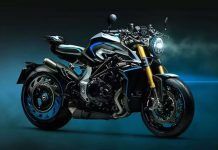
Computer-generated graphics, widely disseminated by the influential Japanese publication Young Machine, vividly illustrate the powerful vintage aura the Z400RS is expected to exude.2 Central to this retro identity are several key design elements: a prominent round headlamp, often featuring substantial housings, which instantly evokes a bygone era; a distinctive teardrop-shaped fuel tank, frequently depicted with a white stripe, serving as a direct replica of 1970s Kawasaki originals; and a flat, two-tier seat designed to provide comfort for both rider and passenger while maintaining a classic profile.2 Furthermore, the exhaust system’s shape is expected to be specifically re-engineered to conform to a more traditional, period-correct style, ensuring visual harmony with the overall retro theme.2
The consistent emphasis on “heritage” and “authentic replica” in the design descriptions suggests a deliberate strategy by Kawasaki. The success of the Z900RS and Z650RS stems from their ability to evoke specific, beloved Kawasaki models, rather than simply presenting a generic vintage appearance.2 This meticulous attention to historical accuracy, as depicted in the Z400RS renders, indicates that Kawasaki understands the retro market’s preference for recognizable heritage over generalized vintage aesthetics. This focus on authentic heritage creates a deeper emotional connection with potential buyers, particularly seasoned enthusiasts who either remember or aspire to the original Z-series. This approach also serves to differentiate Kawasaki from competitors who may offer more broadly “neo-retro” designs, ensuring the Z400RS stands out by carefully balancing historical accuracy with modern functional requirements.
2.2. Engine and Performance: The Heart of the ZX-4R
The Z400RS is poised to inherit the formidable 399cc liquid-cooled, 4-stroke, in-line four engine directly from the Kawasaki Ninja ZX-4R and ZX-4RR models.8 This engine is widely acclaimed for its class-leading performance and its remarkable ability to rev beyond 15,000 rpm, producing a distinctive and exhilarating howl that is characteristic of high-revving inline-fours.16
In terms of power output, the engine is capable of an “unprecedented 57 kW (77 PS)* of power”.18 For the Indian market, this translates to approximately 76.4 bhp at 14,500 rpm and 39 Nm of torque at 13,000 rpm.11 This power figure is notably higher than the 44.7 bhp produced by Kawasaki’s parallel-twin Ninja 400 21 and is comparable to, or even surpasses, the output of many larger-displacement twin-cylinder motorcycles.10
The performance characteristics of this engine are designed to offer a versatile riding experience. It provides a quick-revving nature and direct throttle response, delivering strong low- to mid-range torque that is well-suited for urban commuting and city riding. Simultaneously, it offers screaming high-rpm power, ideal for spirited sport riding or track use.18 This dual capability, combining accessibility with high-end thrill, is anticipated to be a significant selling point for the Z400RS.
The Z400RS’s adoption of the inline-four “screamer” engine is a critical point of differentiation. While the user query explicitly highlights the “overwhelmingly powerful 77ps engine,” the broader market context reveals a significant trend. Many 400-650cc naked bikes currently available are increasingly dominated by parallel-twin engines, as seen in models like the Kawasaki Z650RS, Yamaha MT-07, Aprilia Tuono 457, and Royal Enfield Interceptor 650.11 The Z400RS, with its inline-four configuration, provides a distinct, premium, and emotionally resonant offering. This is not solely about the peak power figures but fundamentally about the unique character and auditory experience of the engine. The “raw excitement” and “audial advantage” of a screaming four-cylinder engine 10 appeal to a specific enthusiast base and set the Z400RS apart from its twin-cylinder rivals. This strategic choice could attract riders actively seeking a unique visceral and acoustic experience often absent in modern smaller-displacement motorcycles.
2.3. Chassis, Suspension, and Braking: Track-Bred Foundations
The Z400RS is expected to be built upon a robust foundation, utilizing a lightweight trellis frame, likely derived directly from the ZX-4R platform.14 The ZX-4R’s chassis dimensions were meticulously developed with input from Kawasaki’s WorldSBK racing efforts, with the explicit goal of achieving razor-sharp handling and providing excellent rider feedback.18
Anticipation is particularly high for a potential “SE” model of the Z400RS, which is rumored to inherit high-performance suspension components directly from the ZX-4RR.2 The ZX-4RR is equipped with superior, more adjustable suspension, including a high-grade front fork with adjustable spring preload and a Showa BFRC lite rear shock.18 It is also noted that Öhlins offers an STX 46 Supersport shock absorber specifically designed for smaller supersport models, suggesting a potential aftermarket upgrade path or even a higher-tier factory option.24
For braking, the ZX-4R/RR platform, which serves as the Z400RS’s base, comes standard with dual front disc brakes and an Anti-lock Braking System (ABS).19 The Z400RS is consequently expected to feature dual front disc brakes, contributing to strong and responsive stopping power.9
The emphasis on high-performance suspension inherited from the ZX-4RR is a crucial element. The ZX-4RR’s superior and adjustable suspension components, combined with a chassis described as “supersport” and “track-bred” with WorldSBK inspirations, signifies a commitment to dynamic capability beyond just engine power.18 This means that the Z400RS is not merely designed to be fast in a straight line; its foundation ensures exceptional handling characteristics. This commitment to a truly capable chassis, suspension, and braking system will appeal significantly to riders who demand a high-performance machine that handles with precision, not just a motorcycle with appealing aesthetics. This aspect also serves to distinguish the Z400RS from more basic retro offerings within the 400cc class, positioning it as a more premium and performance-oriented option.
2.4. Electronics and Rider Aids: Modern Tech in a Classic Package
Drawing heavily from the advanced systems found in the ZX-4R/RR, the Z400RS is expected to incorporate a suite of modern electronics and rider aids. This includes a digital TFT color instrumentation display, which may feature a dedicated circuit mode for track use, integrated riding modes (such as Sport, Road, Rain, and a customizable Rider mode), power mode selection, and smartphone connectivity via Kawasaki’s proprietary RIDEOLOGY THE APP.19
For enhanced safety and convenience, an Assist & Slipper Clutch is anticipated. This feature provides a lighter clutch-lever pull and effectively reduces back-torque, preventing rear wheel lock-up during aggressive downshifts, thereby making the bike more forgiving, particularly for newer riders.9 Dual-channel ABS is also a standard safety feature expected to be carried over.11 Furthermore, the ZX-4RR includes a dual-direction Kawasaki Quick Shifter (KQS), enabling seamless clutchless upshifts and downshifts.20 This advanced feature is highly anticipated for inclusion, especially in a potential “SE” model of the Z400RS, catering to performance-oriented riders.
The Z400RS’s design aims to provide an “analog feeling in a digital world” 25, suggesting a careful balance between classic aesthetics and contemporary functionality. While the bike will feature “analog style gauges” and “classic color schemes” 27, it will simultaneously integrate modern electronics like TFT displays, multiple ride modes, and traction control, all derived from the ZX-4R/RR.19
This hybrid approach is crucial for attracting a broad audience. It allows the Z400RS to appeal not only to strict retro purists but also to a wider demographic of riders who value the safety, convenience, and performance benefits of modern technology. This balance is fundamental for a “neo-classic” motorcycle to achieve success in today’s market, as it effectively addresses and mitigates the common drawbacks associated with older, truly vintage bikes, such as carburetor issues, leaking seals, and electrical problems.25
3. Market Analysis: Seizing the Neo-Classic Opportunity
3.1. The Expanding 400cc and Retro Motorcycle Market
The global motorcycle market is projected to experience substantial growth, with its size anticipated to increase from USD 75.82 billion in 2025 to USD 119.09 billion by 2032, representing a Compound Annual Growth Rate (CAGR) of 6.7% over this period.28 Within this expanding market, the retro motorcycle segment specifically, valued at $465 million in 2025, is projected for steady growth with a 3.2% CAGR from 2025 to 2033.5
This growth is propelled by several interconnected factors. Increasing disposable incomes, particularly in emerging economies, are enabling more consumers to purchase premium and high-performance motorcycles.6 Concurrently, the rising popularity of leisure and adventure riding activities, coupled with a general increase in consumer interest in personalized and stylish transportation, are significant market drivers.5 The inherent nostalgia for classic designs also plays a crucial role in attracting a dedicated segment of buyers.5 The 350-400cc class, in particular, is noted for its increasing competitiveness on a global scale.29

From a regional perspective, Asia-Pacific emerged as the dominant force in the motorcycle industry in 2024, commanding a substantial 61.61% market share.28 This region, including India and Southeast Asia, is experiencing a growing demand for more accessible and affordable retro models.5 Japan, in particular, exhibits a strong and enduring demand for naked bikes, with a historical affinity for 400cc inline-fours, having experienced multiple “400-naked booms” in previous decades.15
The market context for the Z400RS is significantly shaped by the anticipated “Reiwa 400cc” (modern 400cc) inline-four revival, particularly in Japan. This environment is further intensified by the possibility of Honda launching its own new 400cc and 500cc inline-four models in 2024 or 2025, potentially reviving the iconic CB400FOUR name in Japan.15 This competitive development is a key catalyst for Kawasaki. The strong demand for naked bikes in Japan, coupled with explicit requests from riders and dealers for the return of 400cc inline-four naked motorcycles following the discontinuation of the CB400 Super Four in 2022, underscores the market readiness for such a product.15
This suggests that Kawasaki’s timing for the Z400RS is not merely opportunistic but also a strategic response to clear market signals and the actions of key competitors. The success of the Z400RS will therefore be heavily influenced by its ability to effectively compete against Honda’s anticipated offering and establish an early market presence. This competitive pressure could indeed lead to an accelerated launch, especially if the “70% chance” prediction from Young Machine regarding its appearance holds true.9
3.2. Competitive Landscape: Rivals and Niche Positioning
The 400cc naked motorcycle segment is populated by several established models, each with distinct characteristics. These include Kawasaki’s own Z400 (which features a parallel-twin engine), the Yamaha MT-03 (also a parallel-twin), the KTM Duke 390 (a single-cylinder), the Husqvarna Vitpilen and Svartpilen 401 (both single-cylinders), and the Honda CB300R (a single-cylinder).7 In the broader retro motorcycle segment, the competitive field expands to include models like the Royal Enfield Interceptor 650, Triumph Speed 400, Yamaha XSR400, and Honda CB350.26
The Kawasaki Z400RS’s primary unique selling proposition (USP) lies in its 399cc inline-four engine. This engine offers a high-revving, “screamer” performance character that is exceptionally rare within this displacement category.16 In contrast, the majority of its direct competitors in the 400cc naked or retro segments predominantly utilize single-cylinder or parallel-twin engine configurations.7 This provides the Z400RS with a distinct audial and performance advantage, setting it apart from its rivals.10

The Z400RS, by combining the ZX-4R’s high-performance inline-four engine with retro styling, is not simply entering the existing retro motorcycle market; it is poised to carve out a new sub-segment, which can be termed “performance retro.” While the market trend clearly indicates a growing demand for “modern classics” 4, many current retro offerings in this displacement range tend to focus more on affordability, ease of use, or traditional twin-cylinder characteristics, such as the Royal Enfield models or the Honda CB350.7 The Z400RS, conversely, positions itself as a premium offering within the retro segment.
This strategy appeals directly to riders who desire the classic aesthetic but are unwilling to compromise on modern, high-performance capabilities. This approach allows Kawasaki to avoid direct price competition with more basic retro models and instead target a more affluent or performance-oriented subset of the retro market. As a consequence, its pricing is likely to be positioned at the higher end of the 400cc naked segment, aligning more closely with the ZX-4R than the parallel-twin Z400.
Table 1: Key Specifications & Features: Z400RS (Estimated) vs. Select Competitors
| Model Name | Engine Type | Displacement (cc) | Max Power (bhp/ps) | Max Torque (Nm/lb-ft) | Kerb Weight (kg) | Seat Height (mm) | Front Suspension | Rear Suspension | ABS | Quickshifter (SE) |
| Kawasaki Z400RS (Est.) | Inline-4 | 399 | 76.4 / 77 | 39 / 28.8 | ~189 | ~800 | USD Fork (Est.) | Monoshock (Est.) | Yes | Likely (SE) |
| Kawasaki Ninja ZX-4R | Inline-4 | 399 | 76.4 / 77 | 39 / 28.8 | 189 | 800 | USD Fork | Monoshock | Yes | No (ZX-4RR only) |
| Kawasaki Z400 | Parallel-Twin | 399 | 44.7 | 38 / 28.0 | 168 | 785 | Telescopic | Swingarm | Yes | No |
| Yamaha MT-03 | Parallel-Twin | 321 | 41 | 30 / 22.1 | 168 | 780 | USD Fork | Monoshock | Yes | No |
| KTM Duke 390 | Single-Cylinder | 373 | 44 | 37 / 27.3 | 168 | 820 | USD Fork | Monoshock | Yes | Optional |
| Triumph Speed 400 | Single-Cylinder | 398 | 39.4 | 37.5 / 27.7 | 170 | 790 | USD Fork | Monoshock | Yes | No |
| Royal Enfield Interceptor 650 | Parallel-Twin | 648 | 46.4 | 52.3 / 38.6 | 217 | 804 | Telescopic | Twin Shocks | Yes | No |
Note: Z400RS specifications are estimated based on ZX-4R/RR platform and RS series characteristics.7
3.3. Target Audience: Appealing to a Broad Spectrum of Riders
The Kawasaki Z400RS is being positioned to appeal to a diverse range of motorcycle enthusiasts, effectively targeting multiple rider segments.
Firstly, it is designed for retro enthusiasts – riders who deeply appreciate the aesthetic charm of vintage motorcycles but simultaneously demand the reliability, performance, and features of modern engineering.33 These individuals seek a motorcycle that offers an “analog feeling in a digital world,” providing an emotional connection to the ride that can sometimes be lost in more technologically saturated contemporary bikes.25
Secondly, the Z400RS is an excellent option for new riders. Despite its high peak power output, its approachable power delivery, lightweight design, and user-friendly features like the slipper clutch and ABS make it a manageable and confidence-inspiring choice for those new to motorcycling.26
Thirdly, its compact size and agile handling characteristics are anticipated to make it an ideal choice for urban commuters, allowing for easy navigation through city streets and congested traffic.33
Fourthly, the bike’s comfortable ergonomics and smooth performance are expected to make it a great option for weekend riders who enjoy longer excursions and spirited rides.33
Finally, for performance-oriented riders, the Z400RS offers the unique high-revving thrills and distinct sport bike DNA inherent to an inline-four engine, a characteristic largely absent from its direct competitors in the 400cc naked segment.16
The Z400RS is clearly designed to be a versatile machine capable of fulfilling multiple roles for various rider segments. The ZX-4R’s engine, which is the heart of the Z400RS, is notable for its dual character: it provides “strong low- to mid-range torque for city riding” while also delivering “screaming high-rpm power ideal for sport or track riding”.18
This inherent versatility minimizes market risk for Kawasaki and maximizes potential sales volume, as the bike avoids being pigeonholed into a single, narrow niche. It is not merely a retro bike or solely a beginner-friendly model; it is conceived as a capable all-rounder with a distinctive and engaging character, appealing to a broad cross-section of the motorcycling community.
4. Release Timeline and Pricing Strategy
4.1. Projected Launch Dates: 2025 or 2026?
The anticipated release year for the Kawasaki Z400RS is predominantly cited as 2025 across multiple sources.9 However, some reports also indicate a potential launch in 2026.16
Several factors are likely to influence the definitive launch timeline:
- Honda’s Competitive Entry: The possibility of Honda introducing a new 4-cylinder 400cc model in 2024 or 2025 is a significant competitive dynamic that could compel Kawasaki to accelerate the Z400RS launch.15 Industry observers anticipate a “400cc 4-cylinder showdown” breaking out in 2025, underscoring the urgency of market entry.9
- Emissions Regulations: There is a recognized likelihood that the Z400RS, similar to the ZX-4R, might initially be restricted to specific markets, such as Japan, to circumvent stringent Euro5 emissions regulations. This could potentially delay its broader release in European markets.10
- Young Machine’s Track Record: Young Machine, a prominent Japanese automotive media organization, was instrumental in publicizing the Z400RS rumors.2 This publication has a history of accurately predicting conceptual models that later become production realities.8 Their speculation of a late 2024 or early 2025 market entry further adds credibility to the near-term launch window.39
The release timeline for the Z400RS is not simply a matter of product development scheduling; it represents a strategic response to emerging market competition, particularly from Honda. Kawasaki will likely aim to launch the Z400RS as early as feasible, especially in key markets like Japan, to establish a dominant market presence before rivals can solidify their own offerings. This competitive pressure could indeed lead to a faster-than-expected rollout, particularly if the internal assessment of a “70% chance” of its appearance, as reported by Young Machine, accurately reflects Kawasaki’s internal confidence and development progress.9
4.2. Estimated Pricing and Value Proposition
Pricing predictions for the Z400RS vary by region and source, but a consistent theme emerges regarding its competitive positioning.
- US/Global Market: Estimates suggest a price range of $5,500 to $6,000 40 or a starting price of approximately $6,499.26 These figures are notably lower than the MSRPs of the Ninja ZX-4R ABS ($8,999) and ZX-4RR ABS ($9,699) 20, despite sharing the same engine platform.
- Indian Market: For India, the Z400RS is expected to launch by 2025 with an ex-showroom price around Rs 8.5 lakh, which is comparable to the ZX-4R’s launch price in that market.11 In contrast, the current parallel-twin Kawasaki Z400 is estimated at a significantly lower Rs 4 Lakh.42
The Z400RS is positioned as a “relatively affordable option in the mid-range motorcycle market” 40, despite its high-performance inline-four engine. Its value proposition is centered on offering a “masterful blend of retro style and modern engineering” at an “accessible price point”.41 As a naked bike, the Z400RS typically commands a lower price point than its faired supersport counterpart, the ZX-4R. The ZX-4R is currently considered the “most expensive 400cc motorcycle on sale in India”.19 The Z400RS will likely be priced to compete directly with other mid-weight naked bikes, providing the unique inline-four experience at a competitive price for its segment.26
Kawasaki appears to be targeting a price point that makes the Z400RS highly attractive. By offering the premium inline-four engine and potentially advanced suspension at a price closer to the existing parallel-twin Z400 or other mid-range naked bikes, rather than the full supersport premium of the ZX-4R, Kawasaki creates a compelling value proposition. This strategy could position the Z400RS as a “best bang for your buck” option within the retro segment 13, thereby attracting a wider audience who desire the inline-four experience without the higher cost typically associated with a supersport. This also implies that certain high-end features found on the ZX-4RR, such as full adjustability or a quickshifter, might be reserved for an “SE” model or offered as optional accessories to maintain the competitive pricing of the base model.
Table 2: Estimated Pricing Comparison: Z400RS vs. ZX-4R/RR and Z400 (Regional)
| Model Name | Engine Type | Estimated/MSRP Price (USD) | Estimated Price (INR) | Estimated Price (EUR) | Key Features (Selected) |
| Kawasaki Z400RS (Est.) | Inline-4 | $5,500 – $6,500 26 | ₹ 8.5 Lakh 11 | Not specified (competitive) 44 | TFT, Ride Modes, ABS, Slipper Clutch, LED Lighting |
| Kawasaki Ninja ZX-4R | Inline-4 | $8,999 20 | ₹ 8.79 Lakh 11 | Not specified | TFT, Ride Modes, ABS, Slipper Clutch, LED Lighting |
| Kawasaki Ninja ZX-4RR | Inline-4 | $9,699 20 | ₹ 9.42 Lakh 21 | Not specified | ZX-4R features + KQS, Upgraded Suspension |
| Kawasaki Z400 | Parallel-Twin | $6,699 45 | ₹ 4.0 Lakh 42 | Not specified | ABS, Digital Dash |
Note: Prices are estimates and subject to change. European pricing for Z400RS is not explicitly stated but expected to be competitive.44
5. Naming and Trademark Considerations
5.1. The “Z400RS” Name: Potential Trademark Hurdles
The designation “Z400RS” is widely prevalent throughout the speculative reports and rumors surrounding this anticipated motorcycle.2 However, a significant point of uncertainty revolves around the official name, with “possible trademark constraints” being a frequently cited reason for this ambiguity.2

Historical context reveals a potential source of this issue: Kawasaki reportedly utilized the name “Z400RS” for a two-cylinder motorcycle model in 1974.9 This prior use of the name could indeed pose trademark challenges for the introduction of a new inline-four model under the same designation. The United States Patent and Trademark Office (USPTO) provides comprehensive information regarding trademark application processes, including procedures for searching existing databases and addressing potential conflicts or constraints.46
Kawasaki faces a strategic dilemma concerning the naming of this new model. On one hand, maintaining brand consistency and leveraging the established success of the “RS” suffix, which links the new bike to the popular Z900RS and Z650RS line, is highly desirable from a marketing perspective.3 On the other hand, pursuing the “Z400RS” name despite potential legal hurdles carries inherent risks. The alternative involves opting for a different name that is legally clear but might lack the immediate brand recognition and synergy of the “RS” series.
The eventual choice will reflect Kawasaki’s balancing act between maximizing marketing synergy and mitigating legal exposure. This situation could also lead to a minor variation of the name, such as “Z400-RS” or the addition of another suffix, to circumvent direct trademark conflicts while retaining the desired association.
5.2. Revival of Legacy Names: “FX” or “Zephyr”
Should trademark issues with “Z400RS” prove insurmountable, Kawasaki has compelling alternatives in its historical nomenclature. The company might be compelled to resurrect venerable names such as “Zephyr” or “FX”.2
The “Zephyr” name carries significant historical weight. The Kawasaki Zephyr was a range of retro-styled standard motorcycles produced in the 1990s, directly derived from Kawasaki’s Z series. Notably, it included a 400cc inline-four model that was specifically produced for the Japanese market starting in 1989.47 The Zephyr’s styling was explicitly based on the iconic Z1, and the series is credited with pioneering the retro bike boom in the UK and Europe during the early 1990s.47 While one specific “ZEPHYR” trademark filing by “ZEPHYR CORPORATION” was cancelled in 2021 48, Kawasaki Motors, Ltd. itself holds a “Zephyr™” trademark, indicating its continued brand ownership.50
The “FX” name also holds historical relevance, particularly in Japan. The Z400FX was a popular 400cc inline-four naked motorcycle in Japan during the 1970s.15 It is important to note that Kawasaki also utilizes an “FX Series” for its heavy-duty engines, indicating that the “FX” name is already in active use within the company, albeit for different product categories.51
Reviving either of these legendary names would be a powerful strategic move, as it would “undoubtedly spark nostalgia among diehard fans” 29 and provide a perfect throwback to the Universal Japanese Motorcycles (UJMs) of past decades.8
If the “Z400RS” designation encounters insurmountable legal obstacles, the consideration of “FX” or “Zephyr” as alternatives is not arbitrary. These names are deeply embedded in Kawasaki’s history of 400cc inline-four naked bikes.8 The Zephyr, in particular, played a pioneering role in the retro bike movement.47 Furthermore, Kawasaki’s existing ownership of the “Zephyr™” trademark 50 and the use of “FX” in other engine series 52 suggest that these names are readily available and carry established brand equity.
Choosing “FX” or “Zephyr” would transcend a mere legal workaround; it would represent a potent marketing decision. Such a choice would tap into significant brand equity and nostalgia, potentially generating even greater enthusiasm among long-time enthusiasts than a newly introduced “Z400RS” name. This highlights Kawasaki’s deep understanding of its heritage and its capability to leverage this legacy effectively for modern products, fostering a profound connection with consumers. The ultimate decision between “FX” and “Zephyr” would then likely depend on which historical model’s spirit, market positioning, and specific design cues Kawasaki intends to evoke most strongly in the new motorcycle.
6. Conclusion: Outlook and Strategic Implications
The rumored Kawasaki Z400RS represents a highly strategic and potentially disruptive entry into the burgeoning mid-capacity neo-classic motorcycle market. By successfully integrating the unique and high-performance inline-four “screamer” engine from the Ninja ZX-4R with the proven retro aesthetics of its Z-RS family, Kawasaki is poised to offer a compelling blend of performance, timeless style, and modern technology. Its anticipated competitive pricing strategy, aiming for a sweet spot below the ZX-4R but above the parallel-twin Z400, combined with its broad appeal to various rider segments, positions it for significant success. This is particularly true in markets with a strong historical and ongoing affinity for 400cc inline-fours, such as Japan.
Key challenges for Kawasaki involve navigating the increasingly competitive landscape, especially with the strong possibility of Honda introducing its own 400cc inline-four naked bike in the near future. Furthermore, resolving potential trademark issues for the “Z400RS” name remains a critical hurdle that could influence the final branding. However, these challenges also present distinct opportunities for Kawasaki to further solidify its reputation for both innovation and honoring its rich heritage. The potential introduction of an “SE” model, offering enhanced features and performance upgrades, could further strengthen its premium market appeal and cater to discerning enthusiasts.
While official confirmation from Kawasaki is still awaited, the weight of consistent rumors, the strategic alignment with market trends, and the company’s track record suggest a high probability of the Z400RS becoming a reality. If executed effectively, this motorcycle has the potential to become a “modern classic in its own right” 16, successfully reviving not just the aesthetic but the very spirit of the iconic Kawasaki Z lineage for a new generation of riders.
7. Recommendations
Strategic Recommendations for Kawasaki:
- Accelerate Official Announcement: Given the pervasive rumors and the clear competitive activity from Honda in the 400cc inline-four segment, an early and decisive official announcement would be highly beneficial. This would allow Kawasaki to capture market attention, establish its leadership position, and manage expectations effectively.
- Prioritize Naming Resolution: It is imperative for Kawasaki to swiftly resolve any potential trademark issues surrounding the “Z400RS” name. Should the name prove legally problematic, the company should lean into the strong brand equity and nostalgic appeal of “Zephyr” or “FX.” A clear and compelling marketing narrative should be developed to connect the chosen historical name with the new model’s modern performance and design.
- Clearly Differentiate “SE” Model: To maximize market penetration and appeal to diverse segments, the “SE” model must offer distinct, tangible, and performance-enhancing upgrades that clearly justify its premium pricing. This could include fully adjustable suspension components, a quickshifter, and other high-end features that appeal specifically to performance enthusiasts.
- Develop Nuanced Global Market Strategy: Kawasaki should implement a nuanced global launch strategy that accounts for regional differences, particularly regarding emissions regulations (e.g., Euro5 compliance) and specific market preferences for 400cc motorcycles. Prioritizing markets like Japan and Southeast Asia, where demand for this specific configuration is highest, could be a key initial step.
- Emphasize Inline-Four Character: In all marketing and promotional efforts, Kawasaki should heavily promote the unique “screaming” inline-four engine character and its distinctive sound. This characteristic is a significant differentiator against the prevalent twin-cylinder rivals in the segment and appeals strongly to a core enthusiast base.
Recommendations for Potential Buyers/Competitors:
- For Potential Buyers: Individuals interested in the Z400RS should closely monitor official Kawasaki announcements for definitive specifications, pricing, and availability. It is advisable to evaluate the Z400RS not solely on its retro aesthetics but also on its confirmed performance capabilities, particularly if the ZX-4RR-derived suspension and advanced electronics are standard or available. For those seeking a truly premium riding experience, the “SE” model should be carefully considered.
- For Competitors (e.g., Honda, Yamaha, Triumph): The potential success of the Kawasaki Z400RS, leveraging a unique inline-four engine to create a “performance retro” niche, should be carefully analyzed. Competitors should assess the market’s response to this distinct offering and consider their own strategies for introducing or enhancing models with unique engine characteristics or advanced features within the growing mid-capacity retro segment. The Z400RS could signal a renewed market appetite for multi-cylinder smaller displacement engines, prompting a re-evaluation of current product development pipelines.
Sources
- Kawasaki Heavy Industries, Ltd., accessed on July 24, 2025, https://global.kawasaki.com/
- 2026 NEW KAWASAKI Z400RS COMING SOON!! – YouTube, accessed on July 24, 2025, https://www.youtube.com/watch?v=zCe1xxB4dqY
- 2026 NEW KAWASAKI Z400RS UNVEILED!! – YouTube, accessed on July 24, 2025, https://www.youtube.com/watch?v=pKJwJsmOBzE
- Modern Classic Motorcycles continue to expand in the market! Heres why? – YouTube, accessed on July 24, 2025, https://www.youtube.com/watch?v=2eRxPo6fYCk
- Opportunities in Retro Motorcycle Market 2025-2033, accessed on July 24, 2025, https://www.marketreportanalytics.com/reports/retro-motorcycle-133088
- Medium And Large Displacement Motorcycles Market: Trends & Opportunities 2035 – WiseGuy Reports, accessed on July 24, 2025, https://www.wiseguyreports.com/reports/medium-and-large-displacement-motorcycles-market
- Fastest Naked Bikes Under 400cc – Top Speed, accessed on July 24, 2025, https://www.topspeed.com/fastest-naked-bikes-under-400cc/
- We Sure Hope Kawasaki’s Making A Four-Cylinder Z400RS – RideApart.com, accessed on July 24, 2025, https://www.rideapart.com/news/703128/kawasaki-z400rs-retro-four-cylinder-incoming/
- Kawasaki may be developing a ZX4-R based Z400RS – Motorcycle News – MotoPinas.com, accessed on July 24, 2025, https://www.motopinas.com/motorcycle-news/kawasaki-may-be-developing-a-zx4-r-based-z400rs.html
- Are Kawasaki planning a retro naked version of the anticipated ZX-4R? | Visordown, accessed on July 24, 2025, https://www.visordown.com/news/new-bikes/are-kawasaki-planning-retro-naked-version-anticipated-zx-4r
- Kawasaki Z400 RS likely in the works – BikeWale, accessed on July 24, 2025, https://www.bikewale.com/news/kawasaki-z400-rs-likely-in-the-works/
- Retro Bikes: Latest News, Photos, Videos on Retro Bikes – NDTV.COM, accessed on July 24, 2025, https://www.ndtv.com/topic/retro-bikes
- Collecting market research for marketing purposes of Kawasaki – Reddit, accessed on July 24, 2025, https://www.reddit.com/r/Kawasaki/comments/1j4mbke/collecting_market_research_for_marketing_purposes/
- Whats the difference between a Ninja 400 and a ZX4R? : r/motorcycles – Reddit, accessed on July 24, 2025, https://www.reddit.com/r/motorcycles/comments/1avo31i/whats_the_difference_between_a_ninja_400_and_a/
- [Update on Honda 400cc 4-cylinder] Is it based on a Chinese full-cowl model? Will Japan introduce a naked version with the name and style of the “CB400Four” in 2025, the 50th anniversary of the CB400Four?, accessed on July 24, 2025, https://japan.webike.net/moto_news/latest-news/20241016-update-on-honda-400cc-4-cylinder-is-it-based-on-a-chinese-full-cowl-model-will-japan-introduce-a-naked-version-with-the-name-and-style-of-the-cb400four-in-2025-the-50th-anniversary-of-the-cb40/
- 2026 NEW KAWASAKI Z400RS INTRODUCED!! – YouTube, accessed on July 24, 2025, https://www.youtube.com/watch?v=G1zDmwAcayg
- 2026 NEW KAWASAKI Z400RS REVEALED!! – YouTube, accessed on July 24, 2025, https://m.youtube.com/watch?v=kRtmcl1dmqc&pp=0gcJCd4JAYcqIYzv
- Ninja ZX-4RR | 2025 – Kawasaki EU, accessed on July 24, 2025, https://www.kawasaki.eu/en/Motorcycles/Supersport_Sport/ninja_zx-4rr_2025.html
- Kawasaki Ninja ZX-4R Price – Mileage, Images, Colours | BikeWale, accessed on July 24, 2025, https://www.bikewale.com/kawasaki-bikes/ninja-zx-4r/
- Kawasaki Ninja® ZX™-4R ABS | Motorcycle | Race-Ready Performance, accessed on July 24, 2025, https://www.kawasaki.com/en-us/motorcycle/ninja/supersport/ninja-zx-4r
- Kawasaki Ninja 400 vs Kawasaki Ninja ZX-4R – Know Which Is Better! – BikeWale, accessed on July 24, 2025, https://www.bikewale.com/compare-bikes/kawasaki-ninja-400-vs-kawasaki-ninja-zx-4r/
- Top 10 Middleweight Naked Bikes for 2025 – Lexham Insurance, accessed on July 24, 2025, https://www.lexhaminsurance.co.uk/blog/top-10-middleweight-naked-bikes/
- suspension of the zx-4rr #kawasaki #zx4rr – YouTube, accessed on July 24, 2025, https://m.youtube.com/shorts/-YGKtZa6IEo
- Kawasaki ZX4RR/ZX4R S46 – Motorcycle – Ohlins, accessed on July 24, 2025, https://www.ohlins.com/motorcycle/supersport/kawasaki-zx4rr-zx4r-s46
- 2026 Kawasaki Z400RS – Retro Looks, Modern Power! Full Review – YouTube, accessed on July 24, 2025, https://www.youtube.com/watch?v=yaPs0k9YXl0
- 2025 Kawasaki Z400RS – The Retro Beast That’s Taking Over the Streets! – YouTube, accessed on July 24, 2025, https://www.youtube.com/watch?v=gHIzLnTlZXs
- 2026 NEW KAWASAKI Z400RS REVEALED: THE RETURN OF THE LEGEND IN A NEW ERA!! – YouTube, accessed on July 24, 2025, https://www.youtube.com/watch?v=0Qdaoqabwl0
- Motorcycle Market Size, Share, Value | Growth Report [2032] – Fortune Business Insights, accessed on July 24, 2025, https://www.fortunebusinessinsights.com/motorcycle-market-105164
- 2026 NEW KAWASAKI Z400RS ZEPHYR LAUNCHED IMMEDIATELY!! – YouTube, accessed on July 24, 2025, https://www.youtube.com/watch?v=nwZ9WR2ba5g
- The CB that Pioneered Japan’s Naked Sports Bikes|CB Stories|HISTORY – Honda Global, accessed on July 24, 2025, https://global.honda/en/CB/history/stories/1989/
- Naked Road Sports Model Sold for 30 Years|CB Stories|HISTORY – Honda Global, accessed on July 24, 2025, https://global.honda/en/CB/history/stories/1992_2/
- RUMOUR !! 2025 KAWASAKI Z400RS or NINJA 400SX? | 4-CYLINDER 400 – YouTube, accessed on July 24, 2025, https://www.youtube.com/watch?v=kLI5gFo92SQ
- 2025 Kawasaki Z400RS Zephyr Bike Review – YouTube, accessed on July 24, 2025, https://www.youtube.com/watch?v=ZEXTLlDOXxI
- Retro Look, INSANE Tech! 2025 Honda CB400 Is a Game Changer – YouTube, accessed on July 24, 2025, https://www.youtube.com/watch?v=yN5Fy_lEzng
- “2026 Kawasaki Z400RS Zephyr | The Perfect Retro-Modern Motorcycle!”🏍️ – YouTube, accessed on July 24, 2025, https://www.youtube.com/watch?v=5vSqIP8mPdc
- Kawasaki Z400 RS is BACK! 2026 Retro Legend REVEALED! – YouTube, accessed on July 24, 2025, https://www.youtube.com/watch?v=_S97JPg8Q_0
- Is Kawasaki working on a retro styled Z400 RS too? – BikesRepublic.com, accessed on July 24, 2025, https://www.bikesrepublic.com/english/archive/is-kawasaki-working-on-a-retro-styled-z400-rs-too/
- Kawasaki poised to widen retro offerings with Z400 RS? – Visordown, accessed on July 24, 2025, https://www.visordown.com/news/new-bikes/kawasaki-poised-widen-retro-offerings-z400-rs
- New Ninja ZX-4R-based retro four-cylinder ‘Z400RS’ rumoured | Visordown, accessed on July 24, 2025, https://www.visordown.com/news/new-bikes/new-ninja-zx-4r-based-retro-four-cylinder-z400rs-rumoured
- 2025 Kawasaki Z400RS Zephyr Bike Review – YouTube, accessed on July 24, 2025, https://www.youtube.com/watch?v=lOS17v3hlik
- 2025 KAWASAKI Z400RS ZEPHYR BIKE REVIEW – YouTube, accessed on July 24, 2025, https://www.youtube.com/watch?v=VJqmk71dA08
- Kawasaki Z400 Price, Range, Colors, Specs – BikeDekho, accessed on July 24, 2025, https://www.bikedekho.com/kawasaki/z400
- Kawasaki Z400, Estimated Price Rs 4 Lakh, Launch Date 2025, Specs, Images, News, Mileage @ ZigWheels, accessed on July 24, 2025, https://www.zigwheels.com/kawasaki-bikes/z400
- 2025 KAWASAKI Z400RS ZEPHYR RELEASE DATE | NEW RETRO SPORT – YouTube, accessed on July 24, 2025, https://www.youtube.com/watch?v=PTMfaZFD53g
- Kawasaki Z400| Supernaked Motorcycle | Aggressive Styling, accessed on July 24, 2025, https://www.kawasaki.ca/en-ca/motorcycle/z/supernaked/z400-abs
- Apply online – USPTO, accessed on July 24, 2025, https://www.uspto.gov/trademarks/apply
- Kawasaki Zephyr – Wikipedia, accessed on July 24, 2025, https://en.wikipedia.org/wiki/Kawasaki_Zephyr
- Zephyr Design Group: details of the 1 owned trademark – Trademarkia, accessed on July 24, 2025, https://www.trademarkia.com/owners/zephyr-design-group
- ZEPHYR Trademark | Trademarkia, accessed on July 24, 2025, https://www.trademarkia.com/zephyr-79050747
- Kawasaki Trademarks, accessed on July 24, 2025, https://kawasakienginesusa.com/kawasaki-trademarks
- Kawasaki Heavy Industries – Wikipedia, accessed on July 24, 2025, https://en.wikipedia.org/wiki/Kawasaki_Heavy_Industries
- FX Series | Kawasaki Engines USA, accessed on July 24, 2025, https://kawasakienginesusa.com/engines/fx-series
- Kawasaki Engines Homepage | Kawasaki Engines USA, accessed on July 24, 2025, https://kawasakienginesusa.com/
- Kawasaki Motorcycles, ATV, SxS, Jet Ski Personal Watercraft, accessed on July 24, 2025, https://www.kawasaki.com/
- Register Your Kawasaki Vehicle | Kawasaki Owners Center, accessed on July 24, 2025, https://www.kawasaki.com/en-us/owner-center/register
Our Social Media Handles
- Instagram : LivingWithGravity
- Medium : Akash Dolas
- YouTube Channel : Gear and Shutter