




The Spark of Innovation: Honda’s Electrified Vision Takes Center Stage
Honda, a titan of mobility, is not merely dabbling in the electric vehicle (EV) revolution; it is diving in headfirst, showcasing a thrilling trio of electric concepts that signal its ambitious trajectory. This report will peel back the layers of Honda’s latest electric marvels, from urban delivery solutions to exhilarating two-wheeled experiences, providing a comprehensive, compelling, and yes, even a little witty, analysis.
The company’s commitment to a sustainable future is clear, with a stated vision for battery-electric and fuel-cell electric vehicles to account for 100% of new vehicle sales by 2040. This long-term goal underpins their current strategic moves, including the introduction of hybrid-electric vehicles like the CR-V Hybrid, Accord Hybrid, and Civic Hybrid as stepping stones towards a fully electric future. These hybrid models already make up over 25% of Honda’s U.S. auto sales. The recent launch of the 2024 Honda Prologue and Acura ZDX electric SUVs further solidifies their commitment to the EV landscape.1

Fastport eQuad
A Shower of Accolades: Red Dot Design Awards
It appears Honda’s design team has been working overtime, as their innovative spirit has been recognized with multiple prestigious Red Dot Design Awards. The “Red Dot Design Award” is, after all, among the world’s most distinguished design recognitions, established way back in 1955.2 This recognition stands as a powerful testament to Honda Design’s commitment to “creating new value while striving to gain deep insights into changes happening in our business environment, the times and diverse lifestyles of people”.2
The Fastport eQuad, a true standout, clinched the coveted “Red Dot: Best of the Best 2025” award in the Design Concept competition.2 This is the kind of award that makes heads turn! This achievement highlights a broader strategic understanding within Honda: design is not merely about aesthetics; it is a critical differentiator in the burgeoning EV market. For consumers, especially those embracing new technologies, a compelling design can significantly enhance appeal and overcome any lingering skepticism about electric powertrains. It positions Honda as a brand that is not just building electric vehicles, but thoughtfully designing them for a new era of mobility, attracting individuals who prioritize innovation, functionality, and sustainability.1
Not to be outdone, both the EV Fun Concept and the EV Urban Concept electric motorcycle models were each named “Red Dot winners” in the same competition.2 Even a concept movie for the Honda V3 motorcycle engine, “New V3 Engine Concept Teaser,” snagged a Red Dot winner in the Brand & Communication Design category.2 Honda’s design excellence is clearly hitting all the right notes, continuing a legacy that includes the Saloon concept from the Honda 0 Series EV lineup winning “Red Dot: Best of the Best 2024,” and the NC750X and EM1 e: models receiving Red Dot and iF Design Awards in 2025.2

Setting the Stage for Electrifying Exploration
This report will embark on a detailed journey through each of these award-winning concepts, dissecting their design, technological innovations, market positioning, and the buzz they are generating. We will scrutinize Honda’s strategic marketing maneuvers in the EV space and cast a discerning eye over the competitive landscape, uncovering what makes these concepts compelling, where they shine, and where they might hit a speed bump or two. The diverse portfolio, encompassing micromobility, two-wheelers, and foundational engine technology, reveals a comprehensive, multi-sector approach to decarbonization. This broad strategy allows Honda to capture multiple emerging market opportunities and position itself as a holistic mobility provider in the electric age, rather than solely an automotive manufacturer. This also enables the company to leverage its core electric powertrain technologies across various product lines, optimizing research and development investments.
Fastport eQuad: The Urban Delivery Dynamo
Design Excellence and Purpose: The “Red Dot: Best of the Best 2025” Winner
Imagine a vehicle that zips through city streets, delivering packages with the grace of a bicycle and the power of an electric motor. That, my friends, is the Fastport eQuad, Honda’s all-electric micromobility vehicle designed specifically for the chaotic, yet crucial, world of last-mile delivery.2 It even won the “Red Dot: Best of the Best 2025” award, which is a pretty big deal in design circles.2
Its design is not just sleek; it is thoughtfully engineered for harmony with urban environments. Sporting a bicycle as a motif, it incorporates transparent materials to give the rider an intuitive sense of their surroundings, making pedestrians and road conditions clearly visible.3 The clear windshield provides excellent rider visibility while also allowing others to see the rider, fostering a sense of connection and safety. Moreover, a translucent cargo container cleverly reduces the visual bulk of the vehicle, making it feel less imposing in tight urban spaces.3 This design philosophy directly addresses the challenges of urban logistics, where spatial awareness and pedestrian interaction are paramount.6
Engineering Brilliance: Powering the Smooth, Quiet, Zero-Emission Ride
Underneath its clever exterior, the Fastport eQuad is a marvel of engineering. It achieves a powerful, smooth, quiet, and truly zero-emission ride by combining a pedal-by-wire system with an electric-assist powertrain.2 This means the rider’s pedaling input is electronically transmitted to the driving force, with electric power boosting their efforts. This is a smart solution for navigating bicycle lanes, improving the speed and efficiency of logistics in traffic-heavy urban areas.4
The eQuad comes in two variants to suit different delivery needs. The smaller version measures 133.9 inches long, 39.4 inches wide, and 82.7 inches high, capable of hauling up to 320 pounds. The larger model stretches to 144 inches long, 48 inches wide, and 84 inches high, with a more substantial 650-pound payload limit.7 Both versions top out at a sensible 12 mph, making them ideal for urban micromobility. Additional features like regenerative braking and auto parking brakes contribute to energy efficiency and safety.8 The driver is shielded from the elements by a canopy with UV coating and optional ceramic tint, and a ventilation fan ensures cockpit comfort.8
The Future of Fleet Management: Honda’s Mobile Power Pack and Fleet-as-a-Service (FaaS)
Perhaps one of the most compelling aspects of the Fastport eQuad is its integration with Honda’s Mobile Power Pack (MPP) system. These 22-pound swappable batteries can be exchanged in mere seconds, virtually eliminating downtime for recharging.8 This modular design and quick-swap capability are a game-changer for delivery operations, where every minute counts. The large model offers a range of up to 23 miles when fully loaded, with testing still ongoing for the smaller variant.8
The eQuad is not just a vehicle; it is a connected data hub, part of Honda’s innovative Fleet-as-a-Service (FaaS) model. This system leverages AI-powered dashboards, real-time diagnostics, and over-the-air updates to optimize logistics.8 Fastport, the new B2B business venture under Honda’s New Business Innovation Lab, is focused on transforming urban logistics with micromobility solutions. The eQuad, as its first product, is designed to slip through bike lanes, skillfully avoiding the gridlock that often plagues traditional delivery vans in bustling cities.8 Mass production of the Fastport eQuad is scheduled to begin in the U.S. by the summer of 2026 at Honda’s Performance Manufacturing Center in Ohio, the very same facility that once produced the Acura NSX.2 Testing is already underway in New York City, with Fastport collaborating with major logistics players in North America and Europe to conduct further trials before the official launch.8
Fastport eQuad: Public Reception and Competitive Landscape
The Fastport eQuad has garnered positive attention for its intelligent design and innovative approach. Reviewers have described it as “clever” and possessing “a lot going for it,” despite its unconventional appearance for a “quad”.7 The enthusiasm stems from its clear purpose as a zero-emission alternative for last-mile urban logistics, directly addressing the demands for on-demand deliveries while navigating congested cityscapes.8
In the competitive arena of electric delivery vehicles, the Fastport eQuad steps into a ring with some formidable opponents. Rivian’s Commercial Van (RCV), available in Delivery 500 and 700 variants, offers a single 320 horsepower front-wheel-drive Enduro motor and a range of 153 to 161 miles, though Amazon-bound vans are software-limited to 150 miles.9 These vans provide substantial cargo volumes (487 to 652 cubic feet) and payload capacities (1,960 to 2,750 pounds), along with advanced driver-assistance systems and a 360-degree camera system.9
Ford’s E-Transit cargo van, another key player, provides up to 159 miles of range and can haul up to 3,249 pounds of payload with up to 536.4 cubic feet of cargo space.11 While some users have reported mixed experiences with slow charging and reduced range in cold weather, its lower running costs and smart commercial upgrades are often appreciated.11 Chevrolet’s BrightDrop 400 and 600 models boast an impressive GM-estimated combined range of up to 285 miles for the 2026 model year, with maximum payloads reaching 3,710 pounds and cargo volumes up to 614.7 cubic feet.12 BrightDrop also offers offboard power outlets for tools and comprehensive safety technology, including radar, ultrasonic, and camera sensors.13
Compared to these larger electric vans, the Fastport eQuad’s smaller size, 12 mph top speed, and 23-mile range (for the large model) position it in a distinct micromobility niche, specifically for bicycle lanes and hyper-local deliveries.4 Its strength lies in agility and ease of navigation in dense urban environments, areas where larger vans struggle. The swappable battery system is a significant advantage, potentially offering greater operational efficiency than competitors that require longer charging times. The primary limitation, if one could call it that, is its specialized purpose and limited speed, which naturally restrict its use to specific urban delivery scenarios rather than broader commercial transport.

EV Fun Concept: The Thrill of Electric Two-Wheels
Design and Innovation: A New Sensation of Riding
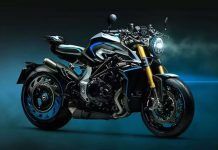
Prepare for a new kind of thrill on two wheels! The EV Fun Concept is Honda’s first electric sports model, envisioned as a next-generation electric motorcycle that promises a unique sensation of quiet riding coupled with an emotional connection only electric power can deliver.3 This naked sports model is designed to be equivalent to a mid-sized internal combustion engine (ICE) motorcycle, signaling Honda’s serious intent to electrify performance biking.3
The design is a masterclass in modern motorcycle aesthetics: slim and seamless, it eloquently conveys its quiet yet overwhelming acceleration and sporty riding performance.3 By cleverly reducing the volume where a traditional gas tank would reside, Honda has achieved a dynamic and horizontally-oriented silhouette. This concept was deliberately crafted to transcend existing motorcycle categories, emphasizing functional beauty through a harmonious blend of sleek bodywork and mechanical components.3 A sleek LED headlight, very similar to the concept model, further enhances its futuristic appeal.16
Performance and Production: Ready to Roll
Beyond its stunning looks, the EV Fun Concept embodies Honda’s long-developed motorcycle technologies, ensuring a high level of “riding, turning, and stopping” performance.3 The quiet, vibration-free ride, a hallmark of electric power, combines with a slim, easy-to-manage chassis package, thanks to its fixed battery, to provide an entirely new emotional experience for riders.3 Its battery system and charging technology draw from Honda’s extensive expertise in automobiles and power products, featuring a CCS2 fast charging system widely used across electric vehicles. This balance between lightweight design and quick recharging aims to offer convenience without compromise.14
The production model, based on this exciting concept, is scheduled to go on sale before the end of the current fiscal year (ending March 31, 2026) as Honda’s inaugural electric sports model equipped with a fixed battery.3 Honda has even teased a significant announcement for September 2, 2025, which many anticipate will be the official unveiling of this performance-focused electric motorcycle.5 The teased prototype already showcases several production-ready features, including a new rectangular TFT display, a revised triple clamp with bolts positioned in front of the fork tubes, more complex switchgear on the left handlebar, and a single-sided swingarm reminiscent of the CB1000R neo-retro naked bike.16
In terms of performance, the EV Fun Concept is expected to match a mid-size ICE bike in power output.15 It is projected to offer a range of over 62 miles (approximately 100 km) per charge from its fixed battery, which Honda suggests is ideal for city commutes and shorter rides, complemented by quick charge capability to minimize downtime.14

Public Reaction and Perceived Limitations
The EV Fun Concept has certainly generated excitement, with many appreciating its award-winning design, the promise of a quiet and vibration-free ride, and the potential for a new emotional connection to motorcycling.3 The fixed battery contributing to a slim and manageable chassis is also a clear advantage, enhancing handling and the overall riding experience.3
However, the announced range of 62 miles (100 km) has sparked some discussion. Some observers consider this a “massive missed opportunity,” especially given Honda’s existing and capable Mobile Power Pack e: swappable battery technology, which is utilized in other Honda electric products like scooters and power tools.16 The question arises whether 62 miles will truly suffice for “a day’s worth of fun” on what is presented as a performance-oriented electric motorcycle.16 While adequate for urban commutes, a more expansive range could unlock greater appeal for weekend riders or those seeking longer excursions. This highlights a tension between optimizing for a specific urban use case and meeting broader rider expectations for electric sportbikes.
Electric Motorcycle Competitors: A Roaring Market
The electric motorcycle market is heating up, with a diverse array of manufacturers vying for attention. Honda’s EV Fun Concept enters a competitive landscape populated by both established brands and innovative startups.
High-Performance Contenders:
- Lightning Motorcycle: Known for the LS-218, one of the fastest electric motorcycles, boasting 244 horsepower and a top speed of 218 mph, with a range of 188 miles.19
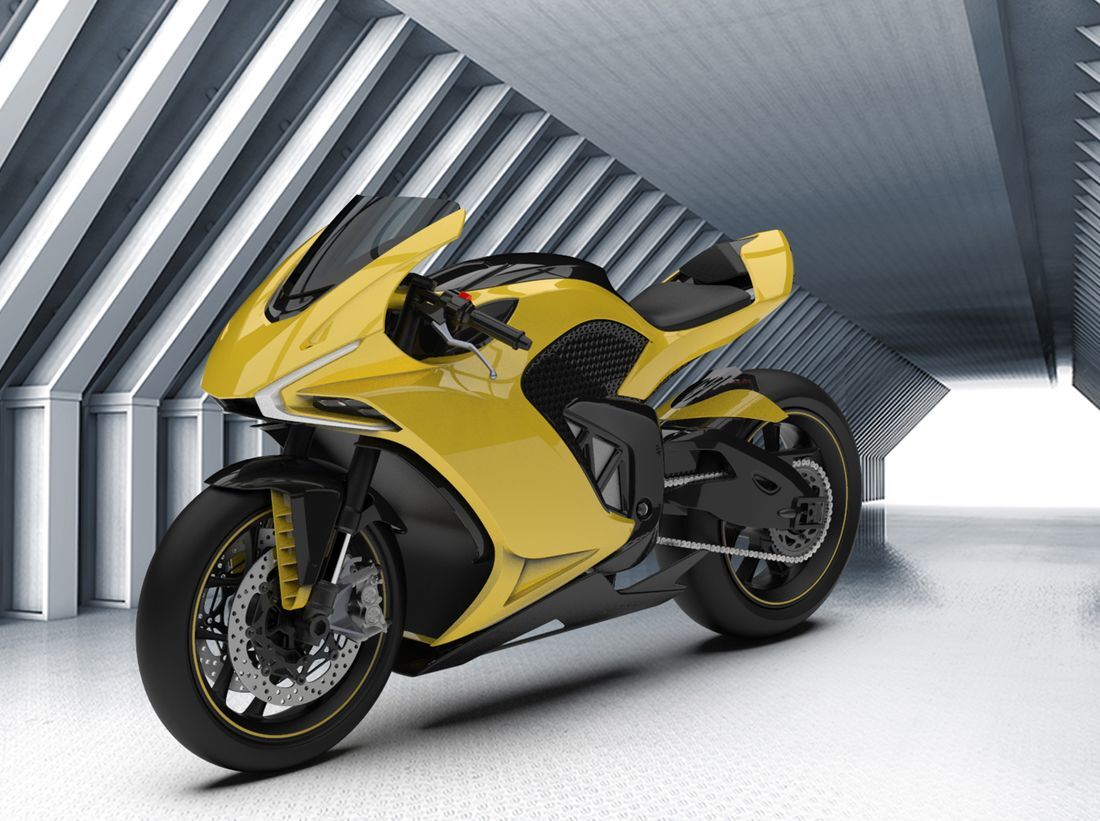
- Damon Motorcycles: Their Hypersport model offers over 200 horsepower, a 200 mph top speed, and a 200-mile range, with a stripped-down Hyperfighter version also available.19
- Energica: This Italian company specializes in high-performance e-motorcycles like the Eva Ribelle, which delivers 149 horsepower, 215 Nm of torque, and a top speed of 125 mph. It boasts an impressive city range of 261 miles (420 km) and combined range of 160 miles (246 km) from its 21.5 kWh battery, notably offering DC Fast Charge capability that is significantly faster than many rivals.19
- Livewire: A sub-brand of Harley-Davidson, the Livewire ONE offers 100 horsepower, a 110 mph top speed, and a city range of 146 miles (95 miles combined) from its 15.4 kWh battery, also supporting DC fast charging.19
- Zero Motorcycles: A prominent player, Zero offers models like the SR/S and SR/F, delivering 111 horsepower and 140 lb-ft of torque, with top speeds of 124 mph. Their 17.3 kWh batteries provide city ranges of 171-176 miles and highway ranges of 116-117 miles. They also feature rapid charging capabilities, achieving a full charge in as little as 1.1 hours with a 6 kW rapid charger, and are priced around $20,000.24
Urban and Off-Road Specialists:
- Sur-Ron: A Chinese firm specializing in electric dirt bikes for off-road use, with models like the Light Bee X, Ultra Bee (87 miles range, 0-60 mph in 2.3 seconds), and Storm Bee.19
- Cake: This Swedish company produces electric mopeds and dirt bikes, focusing on unique designs and functionality for both commercial and recreational users, with models like the Kalk, Osa, and Makka.19
- Silence: A Spanish company making waves in electric mopeds, offering models like the S01 Connected for city commuting.19
- Maeving: Known for retro-styled electric bikes like the RM1S.19
- DaVinci: A Chinese tech business that recently shifted focus to e-motorcycles, unveiling the DC100.19
Honda’s entry with the EV Fun Concept is significant because, as one of the “Japanese big four” motorcycle manufacturers, it possesses immense production capacity, a vast dealer network, and unparalleled engineering prowess.16 This infrastructure could make electric motorcycles far more accessible to a wider audience than many of the smaller, specialized EV motorcycle brands. While the initial range of the EV Fun Concept might be a point of contention for some enthusiasts, Honda’s ability to scale production and leverage its brand trust could quickly establish it as a dominant force in the electric two-wheeler market.

EV Urban Concept: Redefining City Mobility
Design Philosophy and User Experience: Blending into the Urban Fabric
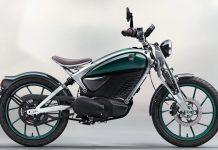
The EV Urban Concept embodies Honda’s forward-thinking vision for future urban mobility, focusing on a function-driven design that seamlessly harmonizes with societal needs.3 This concept presents a minimalist and sophisticated styling that aims to blend effortlessly with the urban landscape, moving away from aggressive aesthetics towards a more integrated presence.3
The design team adhered to Honda’s “Precision of Intrinsic Design” philosophy, striving to create an essential and exquisite styling achieved through refining functionality itself.3 This approach results in a vehicle that is not only visually appealing but also intuitively designed for its purpose. A core element of the EV Urban Concept is its new user experience (UX), achieved through the fusion of software and hardware. This innovative blend is designed to offer a seamless interaction between the rider and the motorcycle, embodying Honda’s vision of near-future mobility that cooperates and resonates with people and society.3
Smart Features and Urban Integration: A Connected Ride
The EV Urban Concept is more than just a mode of transport; it is a connected mobility solution. Its intuitive human-machine interface (HMI) is complemented by advanced connected technologies, enabling features such as personalized settings, real-time navigation, and even integration with smart city infrastructures.26 This level of connectivity aims to enhance the riding experience, making urban commuting more efficient and enjoyable.
Powering this urban marvel is Honda’s in-house developed battery pack, engineered to ensure reliable performance tailored to the demands of daily urban commuting.26 The concept is designed to resonate with both individuals and society at large, promoting a new form of mobility that is both cooperative and adaptive. By reimagining urban electric mobility from the ground up, Honda seeks to expand the possibilities of transportation, making it more accessible and precisely tailored to diverse customer needs.26
Production Outlook and Market Positioning
While the EV Urban Concept is certainly a compelling preview of what is to come, Honda has not yet explicitly stated whether this specific concept will make it to market.5 However, it is part of Honda’s broader, ambitious goal to introduce 30 new electric models globally by 2030, and both the EV Fun and EV Urban concepts are slated to launch by 2026, marking Honda’s significant market entry into electric two-wheelers.15 The EV Urban Concept has been described as an extended maxi-scooter design, drawing comparisons to the BMW CE 04.15
Comparisons and Public Sentiment: Learning from the BMW CE 04
Given its maxi-scooter form factor, the EV Urban Concept naturally invites comparison with the BMW CE 04. The CE 04, for instance, has a price point significantly higher than some electric scooters, starting around $18,000 (equivalent to approximately 15.25 Lakh INR).27 It features a permanent-magnet liquid-cooled synchronous motor, delivering 42 bhp and 62 Nm of torque, with a claimed range of 130 km (base model) and a top speed of 120 kmph.27 Real-world testing of the CE 04 has indicated a range of about 60 miles in mixed conditions, and around 80 miles in city riding at lower speeds.28
Reviews for the BMW CE 04 highlight its smooth and stylish ride, ease of driving, and good mileage, with many appreciating its advanced technology and comfortable riding position, especially with features like heated seats and grips.27 The 10-inch screen is also noted as useful for navigation.28 However, some users have found the seat less comfortable for extended rides, and its weight (over 500 lbs) is a factor.28 The real-world range, while acceptable for urban commutes, can be a limitation, particularly in colder temperatures or with more aggressive riding styles.28
The EV Urban Concept’s focus on minimalist styling, intuitive HMI, and connectivity suggests it aims to capture the same urban-centric, tech-savvy demographic as the CE 04. If Honda can deliver on the seamless interaction and smart city integration promised, while potentially addressing the range and comfort concerns that some CE 04 riders have expressed, the EV Urban Concept could carve out a strong position in the premium urban electric mobility segment. Its success will likely hinge on striking the right balance between sophisticated design, practical urban range, and a truly integrated digital experience.

Honda’s Marketing Prowess: Powering the Electric Transition
Honda’s marketing strategy for its electric vehicle concepts is a sophisticated blend of digital-first storytelling, customer-centricity, and a strong emphasis on sustainability. The company is not just selling vehicles; it is selling a vision of a cleaner, more connected future.
Target Audience and Brand Narrative: A Green, Tech-Forward Message
Honda’s target audience for its electric offerings is diverse, encompassing individuals who value innovation, functionality, and sustainability.1 This includes eco-conscious buyers, practical-minded customers drawn to dependability, and style-conscious drivers seeking modern designs.1 Crucially, Honda is actively repositioning its brand for the EV era, transitioning from its legacy image of fuel-based performance cars to a modern identity centered on electric vehicles, smart mobility, and environmental responsibility.29 This shift is specifically aimed at attracting Gen Z and millennial consumers who prioritize eco-consciousness and technological innovation.29
The brand narrative is built on several pillars:
- Innovation and Technology: Honda consistently highlights its cutting-edge technologies and engineering excellence to appeal to customers who value performance, sustainability, and modern design.1
- Customer-Centric Approach: By leveraging consumer insights through extensive market research, Honda tailors its products and marketing campaigns to deeply resonate with its target audience, placing their needs and preferences at the forefront.1
- Social Responsibility: Honda’s marketing strategy integrates its corporate social responsibility (CSR) commitment, promoting hybrid and electric vehicles in its campaigns and adopting sustainable manufacturing practices. This appeals directly to environmentally conscious consumers and strengthens its reputation as a socially responsible brand.1 The “Green Path” program exemplifies this commitment to reducing environmental impact.1
Digital-First Marketing Channels: Reaching the Modern Consumer
Honda’s 2025 marketing strategy heavily relies on a data-driven, storytelling-focused digital approach, integrated across multiple platforms.29
- Performance Marketing: Honda invests significantly in Google Search Ads, targeting keywords like “Best EV under 20 lakhs” or “Honda e: Ny1 test drive near me.” This tactic effectively captures high-intent users already in the decision-making phase, guiding them directly to relevant information.29
- Social Media Marketing: Social media platforms are pivotal for reaching younger audiences. Honda leverages Instagram and YouTube Shorts for teaser campaigns, product walkthroughs, and testimonials from influencers. Their strategy is dominated by short-form video content, including walk-throughs and campaigns using hashtags like #GreenDriveIndia. Live Q&A sessions are also hosted to address technical and hybrid-related questions, fostering direct engagement. The tone adopted is trustworthy, informative, and energetic, with visual storytelling being a dominant element across all touchpoints.29 Instagram is used for emotional engagement, YouTube for educational content, and TikTok for broad reach.29
- Influencer Collaborations: Honda strategically partners with a diverse range of influencers to appeal to different segments of its audience. This includes collaborations with auto experts, such as Faisal Khan, and lifestyle creators, like Kritika Khurana, to bridge the technological and emotional appeal of their EVs. They also engage with F1 figures, particularly around their Red Bull tie-ups, and regional eco-tech creators. These influencers share real-world hybrid experiences, aiming to humanize the transition to electric vehicles and address skepticism through relatable content.29
- Email Campaigns & CRM: Personalized drip sequences are employed to nurture leads, guiding potential customers towards test drives, financing options, and showroom visits. The MyHonda+ app, for instance, provides driving tips, service reminders, and charging insights, with hybrid campaigns through email demonstrating a strong open rate of 26.4%.29
Integrated Strategies: A Holistic Approach
Beyond digital, Honda also maintains a presence in traditional marketing channels to ensure mass awareness. This includes TV commercial campaigns, particularly during high-visibility events like IPL 2025, and Out-of-Home (OOH) advertising with billboards in metro cities.29 Experiential booths at events like Auto Expo allow for test rides, virtual simulations, and real-time bookings, creating immersive brand experiences.29
Honda’s integrated approach ensures a consistent message across all touchpoints. The company emphasizes data-backed precision, scalable technology, and customer intimacy. Specific tactics include creating regional calculators for fuel savings and emissions reduction, paired with local incentives, to build relevance and aid rational decision-making.29 They also launch nano-influencer circles in Tier-2 and Tier-3 markets to cultivate trust locally and drive showroom visits. Dynamic test-drive scheduling via the MyHonda+ app removes friction in the customer journey, while AR-powered hybrid comparison tools enhance product exploration. Short-form educational series on platforms like TikTok and Shorts capture Gen Z attention cost-effectively. Furthermore, gamified ownership loyalty programs boost retention and brand engagement, and real-time EV availability maps align customer intent with immediate fulfillment, improving conversion rates.29 This comprehensive, multi-channel strategy underscores Honda’s determination to lead the charge in the electric mobility sector.

Conclusions and Recommendations
Honda’s current foray into electric mobility, highlighted by the Fastport eQuad and the EV Fun and Urban Concepts, demonstrates a strategic and multi-faceted commitment to an electrified future. The consistent recognition through prestigious Red Dot Design Awards underscores that design is a core pillar of Honda’s EV strategy, serving not merely as an aesthetic flourish but as a powerful tool for brand repositioning and consumer appeal in a rapidly evolving market. This emphasis on compelling design, coupled with a holistic electrification approach that spans micromobility, two-wheelers, and foundational powertrain technology, positions Honda as a comprehensive mobility provider rather than solely an automotive manufacturer. This diversified portfolio allows the company to capitalize on multiple emerging market opportunities and efficiently leverage its R&D investments across various product lines.
The Fastport eQuad, with its innovative design and swappable Mobile Power Pack system, is poised to be a significant player in the last-mile delivery segment, offering a nimble, zero-emission solution for urban logistics. Its focus on efficiency and environmental harmony aligns perfectly with the growing demands of city environments.
The EV Fun Concept signals Honda’s serious entry into the performance electric motorcycle arena. While its initial range might be a point of discussion for some enthusiasts, Honda’s established production capacity, extensive dealer network, and renowned engineering capabilities provide a robust foundation for scaling electric motorcycle adoption. The EV Urban Concept, with its minimalist styling and focus on a connected urban experience, aims to redefine city commuting. Its success will depend on delivering a seamless user experience and addressing practical considerations like real-world range, as evidenced by comparisons with similar models.
Honda’s marketing strategy for these electric ventures is commendably forward-thinking, employing a digital-first, storytelling-driven approach that targets eco-conscious and tech-savvy consumers. The extensive use of social media, influencer collaborations, and data-backed performance marketing demonstrates a clear understanding of modern consumer engagement.
Recommendations for Future Strategy:
- Prioritize Range and Charging Infrastructure for Two-Wheelers: While the EV Fun Concept offers a compelling design and performance, the perceived limitation of its 62-mile range warrants close attention. For a “fun” electric motorcycle, extending this range or actively promoting the robust fast-charging capabilities (e.g., CCS2) and the developing charging network will be crucial to broaden its appeal beyond urban commutes and address enthusiast concerns. Leveraging Honda’s Mobile Power Pack e: technology for future electric motorcycles, perhaps as an optional upgrade or for specific models, could also significantly mitigate range anxiety.
- Highlight Total Cost of Ownership and Operational Efficiency for Commercial EVs: For the Fastport eQuad, while its design and micromobility advantages are clear, emphasizing the long-term operational cost savings (fuel, maintenance) and increased efficiency due to swappable batteries and the FaaS model will be paramount for B2B adoption. Direct comparisons with the operational efficiencies of larger electric delivery vans could further solidify its value proposition.
- Continue to Differentiate Through Design and User Experience: Honda’s success in securing Red Dot Design Awards for all three concepts is a powerful differentiator. The company should continue to invest heavily in design and user experience (UX) innovation, particularly for the EV Urban Concept, ensuring that the fusion of software and hardware creates truly intuitive and enjoyable interactions that set Honda’s electric two-wheelers apart from competitors.
- Amplify the Holistic Electrification Narrative: Honda’s diverse approach to electrification, encompassing personal vehicles, micromobility, and two-wheelers, is a unique strength. Marketing efforts should consistently communicate this comprehensive vision, positioning Honda as a leader in sustainable mobility solutions across various segments, reinforcing its commitment to a 100% electrified future by 2040.
By meticulously executing these strategies, Honda stands poised to not only capture significant market share in the electric vehicle landscape but also to redefine the very experience of mobility for a new generation.
Sources
- https://global.honda/en/topics/2025/c_2025-08-06eng.html
- https://emobilityplus.com/2025/08/06/hondas-fastport-equad-wins-prestigious-red-dot-best-of-the-best-2025-design-award/
- https://www.rideapart.com/news/767658/honda-concept-electric-motorcycle-coming-soon/
- https://www.youtube.com/watch?v=OUQUA3RE1nw
- https://www.youtube.com/watch?v=y–dbmhuvg4
- https://businessmodelanalyst.com/honda-marketing-strategy/
- https://iide.co/case-studies/honda-marketing-strategy/
- https://rivian.com/fleet
- https://www.topspeed.com/electric-motorcycle-brands-to-watch/
- https://insideevs.com/news/762844/honda-fastport-equad-delivery/
- https://www.prnewswire.com/news-releases/fastport-equad-flagship-product-from-new-honda-business-venture-wins-red-dot-best-of-the-best-2025-design-concept-award-302524146.html
- https://www.rideapart.com/news/767658/honda-concept-electric-motorcycle-coming-soon/
- https://www.motorcycle.com/bikes/news/honda-ev-fun-concept-wins-red-dot-best-of-the-best-2025-award-44645944
- https://www.youtube.com/watch?v=y–dbmhuvg4
- https://www.team-bhp.com/news/honda-unveils-its-first-performance-electric-motorcycle-concept
- https://www.dealerleads.com/honda-dealer-seo
- https://www.keysearch.co/top-keywords/electric-vehicles-keywords
- https://ryvid.com/blogs/first-time-rider/understanding-key-terms-in-the-electric-motorcycle-world-a-guide-for-newcomers-and-enthusiasts
- https://electricbikereport.com/glossary-of-electric-bike-terms/
- https://www.merchantsfleet.com/last-mile-delivery-explained-trends-challenges-costs-more/
- https://support.route4me.com/route4me-glossary-last-mile-optimization-software/
- https://www.caranddriver.com/rivian/commercial-van
- https://en.wikipedia.org/wiki/Rivian_EDV
- https://www.gmupfitter.com/wp-content/uploads/2024/12/25MY-Chevrolet-BrightDrop-400-600-112624.pdf
- https://www.gmenvolve.com/fleet/electric-vehicles/chevrolet-brightdrop
- https://www.edmunds.com/ford/e-transit-cargo-van/
- https://www.ford.com/commercial-trucks/transit-cargo-van/compare-models/
- https://zeromotorcycles.com/model/zero-srs
- https://zeromotorcycles.com/model/zero-srf
- https://www.roadrunner.travel/motorcycles/review-2022-livewire-one/
- https://www.livewire.com/bike-comparison/livewire-one
- https://shop.energicamotor.com/en/pages/energica-eva-ribelle
- https://energicamotorcycles.co.uk/energica-motorcycles/energica-eva-ribelle/
- https://www.motorcycle.com/bikes/news/honda-ev-fun-concept-wins-red-dot-best-of-the-best-2025-award-44645944
- https://www.team-bhp.com/news/hondas-first-electric-motorcycle-debut-september-2
- https://www.youtube.com/watch?v=y–dbmhuvg4
- https://www.youtube.com/watch?v=59-oyAa_pl8
- https://global.honda/en/topics/2025/c_2025-08-06eng.html
- https://www.techeblog.com/honda-fastport-equad-prototype/
- https://www.91wheels.com/compare-scooter/bmw-ce-04-vs-honda-activa-ev
- https://www.reddit.com/r/Electricmotorcycles/comments/1m82rf9/help_deciding_zero_s_vs_bmw_ce04/
- https://www.rideapart.com/news/767658/honda-concept-electric-motorcycle-coming-soon/
- https://businessmodelanalyst.com/honda-marketing-strategy/
- https://iide.co/case-studies/honda-marketing-strategy/
Sources
- Honda Marketing Strategy (2025) – Business Model Analyst, accessed August 8, 2025, https://businessmodelanalyst.com/honda-marketing-strategy/
- Honda’s Fastport eQuad Wins Prestigious ‘Red Dot: Best of the Best …, accessed August 8, 2025, https://emobilityplus.com/2025/08/06/hondas-fastport-equad-wins-prestigious-red-dot-best-of-the-best-2025-design-award/
- Fastport eQuad, Flagship Product from New Honda Business Venture, Wins “Red Dot: Best of the Best 2025” Award in Red Dot Award: Design Concept, accessed August 8, 2025, https://global.honda/en/topics/2025/c_2025-08-06eng.html
- Fastport eQuad, Flagship Product from New Honda Business Venture, Wins “Red Dot: Best of the Best 2025” Design Concept Award – PR Newswire, accessed August 8, 2025, https://www.prnewswire.com/news-releases/fastport-equad-flagship-product-from-new-honda-business-venture-wins-red-dot-best-of-the-best-2025-design-concept-award-302524146.html
- Honda EV Fun Concept Wins Red Dot “Best of the Best 2025” Award | Motorcycle.com, accessed August 8, 2025, https://www.motorcycle.com/bikes/news/honda-ev-fun-concept-wins-red-dot-best-of-the-best-2025-award-44645944
- Last Mile Delivery Explained: Trends, Challenges, Costs & More | Merchants Fleet, accessed August 8, 2025, https://www.merchantsfleet.com/last-mile-delivery-explained-trends-challenges-costs-more/
- Honda’s New Electric eQuad Can Drive On Bike Lanes – InsideEVs, accessed August 8, 2025, https://insideevs.com/news/762844/honda-fastport-equad-delivery/
- Honda’s Fastport eQuad Prototype is Designed for Urban Delivery, Has Up to 23-Mile Range – TechEBlog, accessed August 8, 2025, https://www.techeblog.com/honda-fastport-equad-prototype/
- 2025 Rivian Commercial Van: What We Know So Far – Car and Driver, accessed August 8, 2025, https://www.caranddriver.com/rivian/commercial-van
- Rivian EDV – Wikipedia, accessed August 8, 2025, https://en.wikipedia.org/wiki/Rivian_EDV
- 2025 Ford E-Transit Cargo Van Prices, Reviews, and Pictures | Edmunds, accessed August 8, 2025, https://www.edmunds.com/ford/e-transit-cargo-van/
- Chevrolet BrightDrop 400/600 – GM Upfitter, accessed August 8, 2025, https://www.gmupfitter.com/wp-content/uploads/2024/12/25MY-Chevrolet-BrightDrop-400-600-112624.pdf
- Electric Delivery Vehicles: 2026 Chevrolet BrightDrop | GM Envolve, accessed August 8, 2025, https://www.gmenvolve.com/fleet/electric-vehicles/chevrolet-brightdrop
- HONDA Electric Motorcycle CONCEPTS * Full REVIEW Inside! * A&T Design – YouTube, accessed August 8, 2025, https://www.youtube.com/watch?v=59-oyAa_pl8
- Honda unveils its first performance-electric motorcycle concept – Team-BHP, accessed August 8, 2025, https://www.team-bhp.com/news/honda-unveils-its-first-performance-electric-motorcycle-concept
- It Looks Like Honda’s First EV Motorcycle Is Finally Ready, and It’ll …, accessed August 8, 2025, https://www.rideapart.com/news/767658/honda-concept-electric-motorcycle-coming-soon/
- Honda’s First Real Electric Motorcycle Revealed | EV Fun Concept Goes Production-Ready? – YouTube, accessed August 8, 2025, https://www.youtube.com/watch?v=OUQUA3RE1nw
- Honda’s first electric motorcycle to debut on September 2 – Team-BHP, accessed August 8, 2025, https://www.team-bhp.com/news/hondas-first-electric-motorcycle-debut-september-2
- 10 Electric Motorcycle Brands To Watch Out For – Top Speed, accessed August 8, 2025, https://www.topspeed.com/electric-motorcycle-brands-to-watch/
- Discover the features of Energica Eva. The first electric hyper-naked bike 100% made in Italy, accessed August 8, 2025, https://shop.energicamotor.com/en/pages/energica-eva-ribelle
- Energica Eva Ribelle, accessed August 8, 2025, https://energicamotorcycles.co.uk/energica-motorcycles/energica-eva-ribelle/
- Review: 2022 LiveWire ONE – RoadRunner Travel, accessed August 8, 2025, https://www.roadrunner.travel/motorcycles/review-2022-livewire-one/
- Compare Models LiveWire ONE, accessed August 8, 2025, https://www.livewire.com/bike-comparison/livewire-one
- SR/S – Zero Motorcycles, accessed August 8, 2025, https://zeromotorcycles.com/model/zero-srs
- SR/F – Zero Motorcycles, accessed August 8, 2025, https://zeromotorcycles.com/model/zero-srf
- 2025 Honda New EV Models, EV URBAN and EV FUN Concepts Actual Units Walkaround and Review – YouTube, accessed August 8, 2025, https://www.youtube.com/watch?v=y–dbmhuvg4
- BMW CE 04 vs Honda Activa EV Comparison – Which One is Better? – 91Wheels, accessed August 8, 2025, https://www.91wheels.com/compare-scooter/bmw-ce-04-vs-honda-activa-ev
- Help deciding: Zero S vs BMW CE04 : r/Electricmotorcycles – Reddit, accessed August 8, 2025, https://www.reddit.com/r/Electricmotorcycles/comments/1m82rf9/help_deciding_zero_s_vs_bmw_ce04/
- An In-Depth Case Study On Marketing Strategy Of Honda – IIDE, accessed August 8, 2025, https://iide.co/case-studies/honda-marketing-strategy/
- Rivian Fleet: Electric Work & Commercial Vans, accessed August 8, 2025, https://rivian.com/fleet
- Honda Dealer SEO – Dealer Leads, accessed August 8, 2025, https://www.dealerleads.com/honda-dealer-seo
- Top Electric Vehicles Keywords | Free SEO Keyword List – KeySearch, accessed August 8, 2025, https://www.keysearch.co/top-keywords/electric-vehicles-keywords
- Understanding Key Terms in the Electric Motorcycle World: A Guide for Newcomers and Enthusiasts – Ryvid, accessed August 8, 2025, https://ryvid.com/blogs/first-time-rider/understanding-key-terms-in-the-electric-motorcycle-world-a-guide-for-newcomers-and-enthusiasts
- Glossary of Electric Bike Terms, accessed August 8, 2025, https://electricbikereport.com/glossary-of-electric-bike-terms/
- Glossary – Route4Me Last Mile Optimization Software Terminology, accessed August 8, 2025, https://support.route4me.com/route4me-glossary-last-mile-optimization-software/
- 2025 Ford Transit® Full-Size Cargo Van | Compare Models, accessed August 8, 2025, https://www.ford.com/commercial-trucks/transit-cargo-van/compare-models/
Our Social Media Handles
- Instagram : LivingWithGravity
- Medium : Akash Dolas
- YouTube Channel : Gear and Shutter