


















Executive Summary
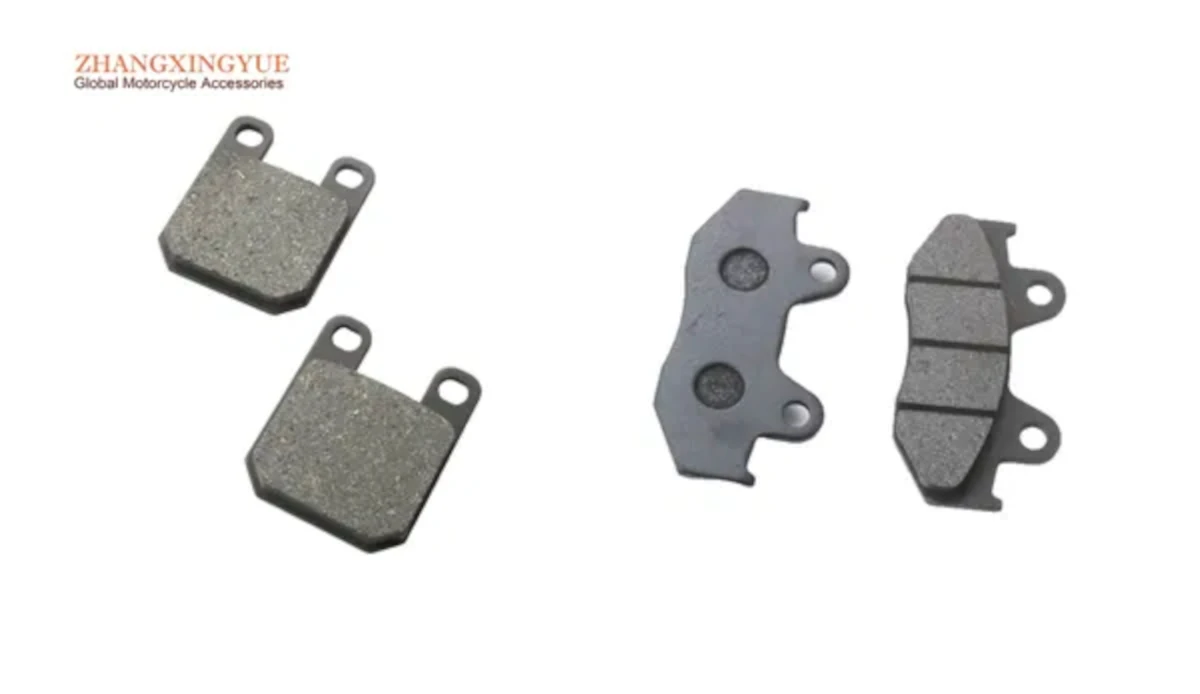
A significant product recall has been initiated for certain motorcycle and automotive brake pads sold on the global e-commerce platform, AliExpress, after they were found to contain asbestos, a known human carcinogen. This report provides a comprehensive analysis of the recall, its profound public health implications, the systemic challenges of regulating global online marketplaces, and actionable guidance for affected consumers and policymakers. The incident is not an isolated failure but rather a symptom of a larger, global issue stemming from a fragmented regulatory landscape and the inherent difficulties in overseeing a decentralized, cross-border supply chain.
Key findings of this report include:
- Verified Recalls: Specific recall alerts have been issued by multiple national and regional regulatory bodies, including the European Union’s Safety Gate and the Australian Competition and Consumer Commission (ACCC), for different brake pad products originating from the People’s Republic of China.
- Severe Health Risks: The presence of asbestos in these friction materials poses a serious and long-term public health threat. The process of vehicle maintenance, particularly brake replacement and repair, can aerosolize asbestos fibers, leading to inhalation and a high risk of developing fatal diseases such as mesothelioma, lung cancer, and asbestosis decades after exposure. This risk is amplified for untrained professionals and amateur DIY enthusiasts who lack proper safety equipment and knowledge.
- Regulatory Vulnerabilities: The incident exposes a critical vulnerability in the global consumer product safety framework. The sale of products banned in major markets via online platforms represents a form of regulatory arbitrage, where low-cost goods that do not meet a country’s safety standards can still be distributed globally, effectively bypassing traditional import controls.
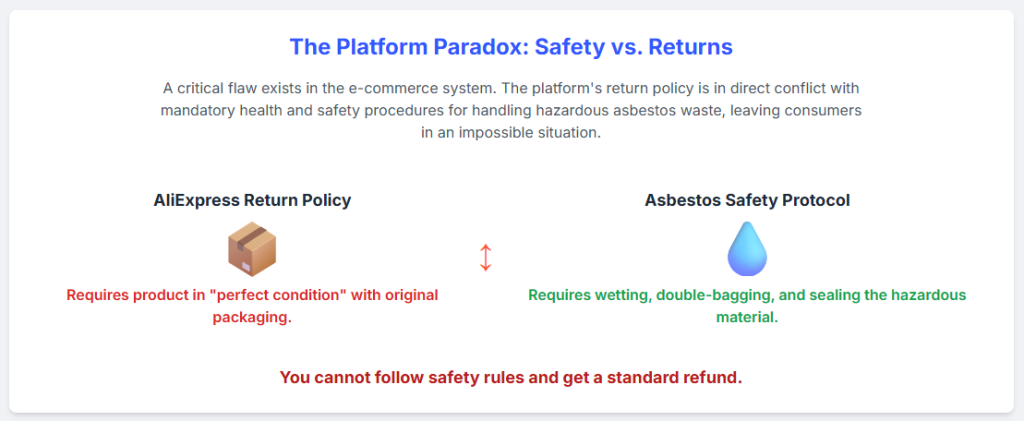
- Consumer Dilemma: The process of returning a hazardous, recalled product to an online marketplace creates a fundamental conflict for the consumer. A consumer who follows proper safety protocols for handling asbestos waste, which requires wetting and sealing the product, cannot fulfill the platform’s standard return policy that demands items be in “perfect condition.” This operational contradiction leaves the consumer without a clear path for remediation.
This report concludes with forward-looking recommendations that advocate for a shift from reactive recall systems to proactive, pre-market safety verification for online marketplaces, alongside enhanced consumer education and vigilance.
The Global Context of Asbestos in Aftermarket Automotive Parts
Asbestos was historically regarded as a “wonder material” due to its unique physical and chemical properties. Its exceptional resistance to heat, high durability, friction stability, and low cost made it an ideal component for a wide range of industrial applications.1 One of its most significant uses was in the production of automotive friction materials, including brake pads, clutch facings, and gaskets.1 Braking systems generate immense heat, and asbestos could withstand the extreme temperatures without breaking down or losing effectiveness.1 This extensive use continued throughout much of the 20th century until the severe health risks associated with asbestos exposure became widely known.2
In response to the mounting medical evidence linking asbestos to a range of fatal illnesses, numerous countries and regions enacted comprehensive bans on its use. The European Union has prohibited the production, marketing, and use of materials containing asbestos since 1999 4, and Australia followed suit with a ban on the import, manufacture, and sale of all forms of asbestos since the end of 2003.5 However, the regulatory landscape is not uniform. In many countries, the use of asbestos in manufactured products remains legal. For instance, while most major automakers in the United States ceased using asbestos in brake pads in the 1990s, it is still legally permissible to sell aftermarket auto parts containing the mineral.6
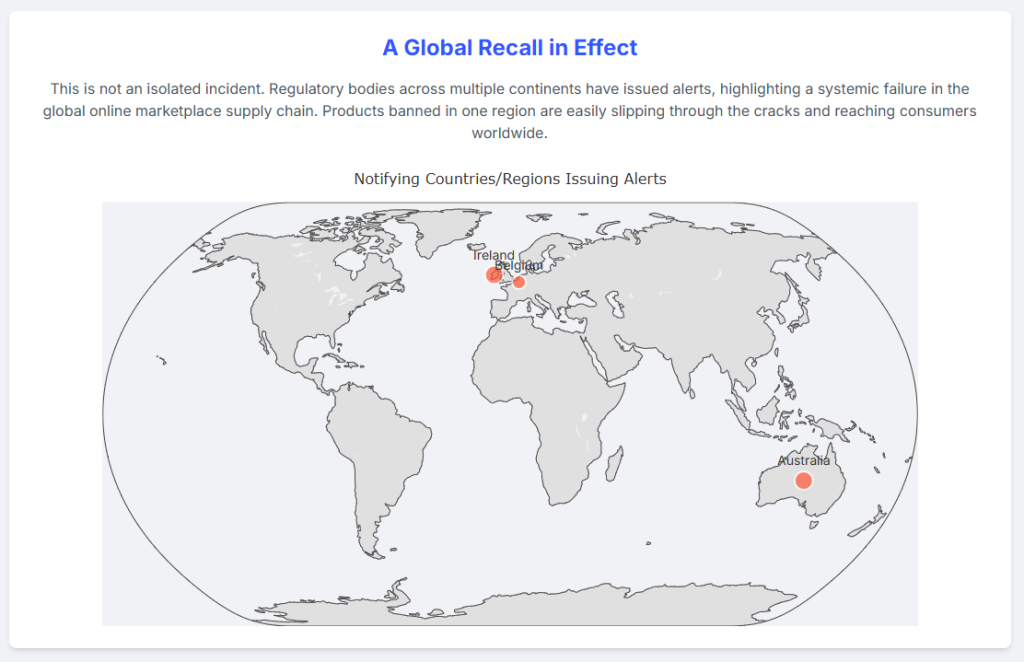
The existence of a global market for products with varying safety standards enables a dangerous form of regulatory arbitrage. The research shows multiple, geographically distinct recalls—in the EU and Australia—for brake pads from the same country of origin, the People’s Republic of China.8 This pattern is not a series of isolated failures but a symptom of a systemic issue. The legal status of asbestos varies significantly between countries, creating a market for products that are banned in major consumer regions but legally produced elsewhere.5 The decentralized nature of online marketplaces, particularly those without stringent pre-listing vetting, facilitates the cross-border distribution of these non-compliant goods. This business model allows sellers to bypass the strict import controls of individual countries, effectively exploiting the differences in legal standards and creating a “whack-a-mole” problem for international regulators who must issue and enforce recalls on a product-by-product basis as they are discovered.
Analysis of the AliExpress Brake Pad Recalls
The recent recall of asbestos-containing brake pads sold on AliExpress has been highlighted through multiple official channels across the globe, indicating a widespread problem.
European Union and Irish Safety Gate Alert
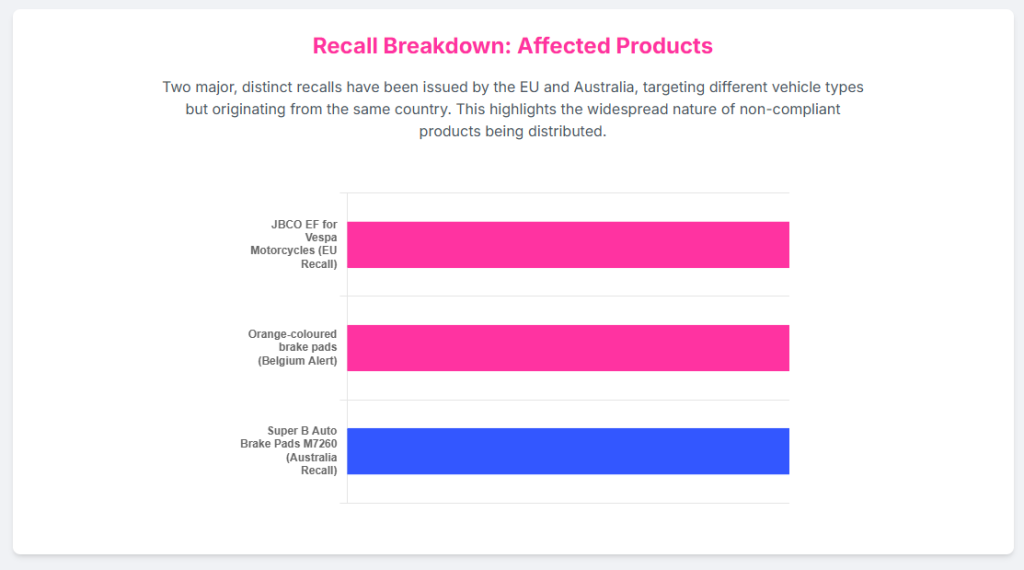
A public alert was published on July 31, 2025, via the European Union’s Safety Gate system (alert number SR/02773/25), with Ireland as the notifying country.8 The recall pertains to motorcycle brake pads identified by the name “JBCO EF” and intended for a range of Vespa models, including the GT 125/200 L, GTS 125, GTS 250ie, GTS 300, GTV 125, and GTV 250.8 The products were sold online, specifically via AliExpress, and were packaged in cardboard boxes.8 Their country of origin was the People’s Republic of China. The risk was classified as “Chemical” because the brake pads were found to contain asbestos fibers, a substance known to cause cancer. The product failed to comply with the EU’s REACH Regulation, which strictly controls hazardous chemicals.8 Further reinforcing the multi-country scope of the issue, a related InfoCons Consumer Protection Alert was issued by Belgium for “orange-coloured brake pads” sold on AliExpress, also originating from China and posing a “Serious risk” due to asbestos contamination.10
Australian Consumer Product Safety Recall
In Australia, the ACCC (Australian Competition and Consumer Commission) issued a recall for “Super B Auto Brake Pads”.9 This recall is distinct from the European one, targeting brake pads for cars rather than motorcycles. The affected products could be identified by the formula number M7260, which was printed on both the rear of the brake pad and its packaging.9 The risk was described as the potential for exposure to asbestos fibers during removal or maintenance, which can cause asbestosis, lung cancer, and mesothelioma. The recall was managed by the supplier, “Steven Brake Pads,” and the products were available for sale from January 1, 2022, to October 18, 2022.9
Media Reporting and Discrepancies
While official regulatory bodies have provided specific, verifiable details regarding these recalls, some media reporting has introduced discrepancies that could lead to consumer confusion. For example, a news article reported that “FEMA is recalling AliExpress brake pads”.11 However, official sources such as the EU’s Safety Gate, Australia’s ACCC, and consumer groups like InfoCons make no mention of FEMA, a US emergency management agency, in connection with these alerts.4 This misidentification of the recalling authority may undermine the credibility of the recall notice for some consumers, particularly in the United States, where the sale of certain aftermarket parts with asbestos remains legal.6 It is an example of how the rapid dissemination of information in a globalized news environment can inadvertently spread misinformation, potentially hampering a coordinated and effective public response.
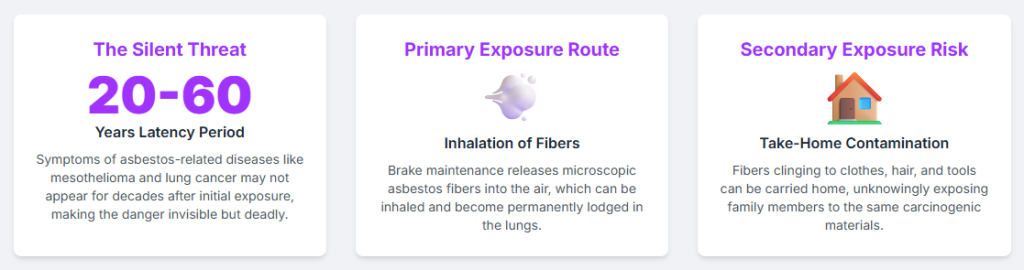
Table 1: Recalled Brake Pad Details
The table below consolidates the key information from the official recall notices, providing a clear overview of the scope and specifics of the affected products.
| Recall Source | Product Name / Identifying Mark | Affected Vehicle Type | Country of Origin | Notifying Body | Date of Alert |
| EU Safety Gate | JBCO EF | Vespa motorcycles (GT 125/200 L, GTS 125, GTS 250ie, GTS 300, GTV 125, GTV 250) | People’s Republic of China | Ireland (via EU Safety Gate) | 31 July 2025 |
| InfoCons Alert | Orange-coloured brake pads (No name provided) | Motor vehicles | People’s Republic of China | Belgium | 8 August 2025 |
| ACCC Recall | Super B Auto Brake Pads (Formula M7260) | Cars | China | Australia (ACCC) | N/A |
Profound Health and Safety Implications
The presence of asbestos in brake pads is a matter of profound concern, as exposure to this substance is a leading cause of severe and often fatal diseases.8 Asbestos is a fibrous silicate mineral, and when its fibers are inhaled, they can become permanently lodged in the body’s tissues. Over time, these fibers can cause genetic damage and inflammation, leading to a range of illnesses.2 The most dangerous of these is mesothelioma, a rare and aggressive cancer that is only caused by asbestos exposure and affects the lining of major organs, such as the lungs and heart. Other serious health conditions include asbestosis, a chronic lung disease that causes a stiffening of the lungs over time, and asbestos-related lung cancer.2
The mechanism of exposure in this context is directly related to the function of brake pads. Braking generates a significant amount of friction, which gradually wears down the pads and releases microscopic asbestos fibers into the air.1 The primary pathway of exposure is the inhalation of these airborne fibers during the installation, repair, or maintenance of a vehicle’s braking system.6 Professionals who work with brakes on a daily basis, such as auto mechanics, are at the highest risk, but millions of DIY enthusiasts who perform their own vehicle maintenance are also at a heightened and often unrecognized risk.6 The danger is not immediate; symptoms of asbestos-related diseases may not appear for a prolonged latency period of 20 to 60 years after the initial exposure.2
Another critical aspect of the public health threat is the risk of secondary exposure. Asbestos fibers can easily adhere to clothing, hair, and tools, and can be unknowingly carried home by professionals or hobbyists.2 This can expose family members and other household occupants to the same carcinogenic fibers, putting them at risk of developing the same devastating illnesses without ever having directly handled the contaminated product.2 The gravity of this recall is underscored by the fact that its consequences will be felt for decades to come, with new diagnoses of asbestos-related diseases potentially emerging years from now.
A central issue with this recall is the amplified risk posed to do-it-yourself (DIY) consumers. Professional mechanics are trained to handle hazardous materials and are legally required to follow strict safety protocols mandated by regulatory bodies like OSHA.12 These protocols include using specialized equipment, such as HEPA-filtered vacuums and high-efficiency respirators, to mitigate exposure.12 By contrast, the average consumer who buys these brake pads from AliExpress and attempts to install them has no such training or equipment. The CPSC and NHTSA recommend that automobile brake work be performed only by a professional using special protective equipment.3 The decentralized nature of a consumer base purchasing safety-critical parts from an online marketplace without professional guidance directly amplifies the public health threat, turning a routine home repair into a high-risk activity with potentially fatal long-term consequences.
The E-Commerce Platform’s Role and Accountability
As a global online marketplace, AliExpress serves as a platform for third-party sellers to connect with consumers worldwide. Its official product recall policy, as outlined in its seller guidelines, is primarily a reactive framework.15 The platform states that it prohibits the sale of recalled products and takes measures such as checking for similar products, blocking or removing them, notifying sellers, and reporting handling to regulatory agencies.15 AliExpress also places the burden of compliance on the seller, who is responsible for ensuring their goods comply with the laws and regulations of the countries where they sell.16 Sellers are also obligated to immediately contact affected buyers to offer returns or refunds and to compensate consumers for any damage caused.15
However, the practical challenges of enforcing this policy are significant. The platform’s reactive model means it depends on external recall announcements from regulators like the EU’s Safety Gate or Australia’s ACCC.15 Given the sheer volume of products and third-party sellers on the platform, it is an immense challenge to proactively vet every item for compliance with the myriad of international regulations.17
A critical flaw in the platform’s system becomes apparent when considering the practicalities of a hazardous goods recall. AliExpress’s general “Free Return” policy requires items to be in “perfect condition” with their original packaging and safety seals intact to be eligible for a refund.18 However, the protocols for handling asbestos waste are in direct contradiction to this requirement. A consumer who has purchased these contaminated brake pads is advised to follow strict safety procedures, which include wetting the material with a water-detergent mix, double-wrapping it in thick plastic bags, and sealing it with duct tape to prevent the release of dangerous fibers.13 A consumer who follows these non-negotiable health and safety guidelines to prevent carcinogenic exposure cannot, by definition, return the product in “perfect condition.” This creates an operational paradox, placing the consumer in a state of administrative limbo where they are forced to choose between prioritizing their personal safety and securing financial recourse. This inherent contradiction highlights a major deficiency in how the platform’s generic return policies handle a high-risk, life-threatening product recall.
Actionable Guidance and Remediation for Affected Parties
Given the severe risks associated with asbestos exposure, it is imperative for any affected consumer to take immediate and decisive action.
Immediate Actions and Safe Handling Procedures
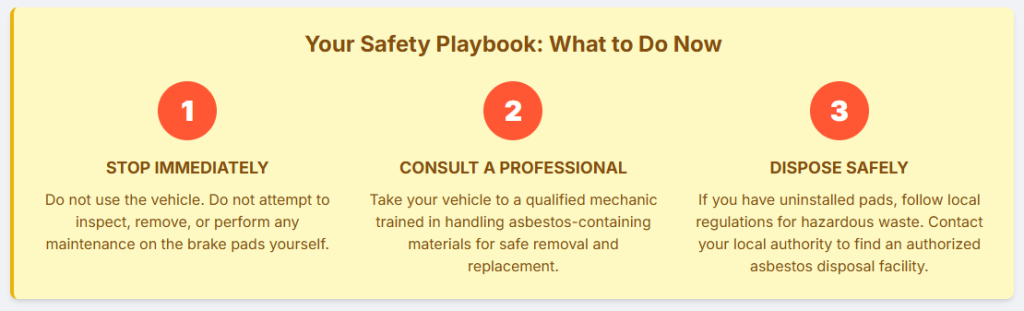
The primary recommendation for any consumer who has purchased these recalled brake pads is to stop using them immediately 15 and to not attempt to remove or perform any maintenance on the pads themselves.3 The safest course of action is to have the vehicle taken to a professional mechanic who is trained and equipped to handle asbestos-containing materials.3
For consumers who insist on self-service, a highly structured set of precautions must be followed to minimize the risk of exposure. The use of certain tools is strictly prohibited, including compressed air, dry rags, or brushes, as these can easily aerosolize asbestos fibers into the air.6 Instead, the recommended “wet wipe method” involves spraying the brake and clutch components with a low-pressure fine mist of water amended with detergent.13 All work should be done with appropriate personal protective equipment (PPE), including a tight-fitting respirator with a high-efficiency particulate air (HEPA) filter (specifically a P100 or equivalent) and disposable gloves.6
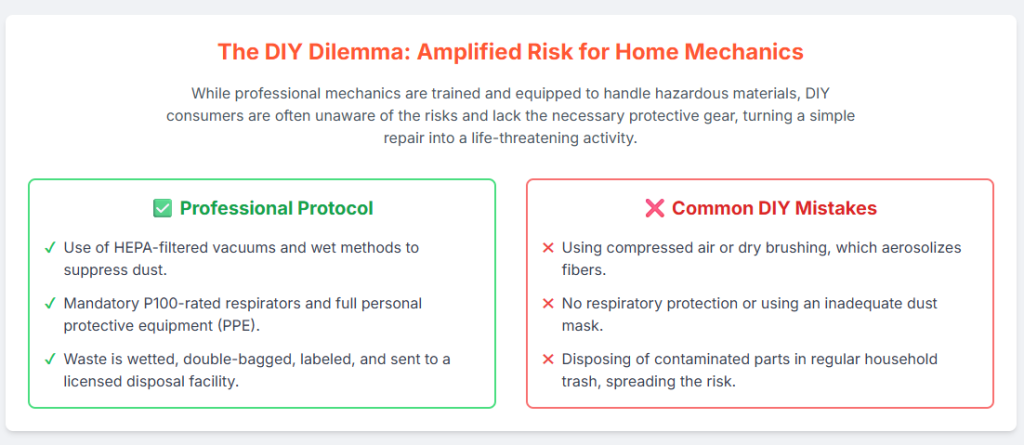
Table 2: Safe Handling and Disposal Procedures
The following table provides a breakdown of the key procedures for managing asbestos-containing brake pads.
| Procedure | Professional Mechanic Protocol | DIY Consumer Precautions |
| Exposure Mitigation | Use enclosed systems with HEPA filtration or low-pressure wet methods. | Use the wet wipe method. Do not use compressed air or dry brushes. |
| Personal Protective Equipment (PPE) | Full protective gear, including MSHA or NIOSH-approved respirators (P100 or equivalent). | Tight-fitting P100 HEPA-filtered respirator, goggles, and disposable gloves. Change clothes before entering the home. |
| Waste Handling | Wet materials, double-wrap in sealed plastic bags (6-mil or thicker), and label containers with “Danger: Contains Asbestos Fibers.” | Wet materials, double-wrap in sealed plastic bags (6-mil or thicker), and label appropriately. |
| Disposal | Use a registered hazardous waste transporter to a licensed disposal facility. | Double-bagged waste must be disposed of at an authorized landfill or civic amenity site that accepts asbestos. Do not use regular trash. |
Hazardous Waste Disposal
Proper disposal of asbestos waste is a complex and legally regulated process. It is a critical and non-negotiable step to prevent further environmental contamination and public exposure.14 In most jurisdictions, asbestos-containing materials cannot be disposed of with regular household waste.19 The waste must first be carefully wetted down to prevent fiber release and then double-bagged in sealed, impermeable containers, with a recommended thickness of 6-mil or greater.14 The containers must then be clearly labeled with a warning that states, “Danger. Contains Asbestos Fibers. Avoid Creating Dust. Cancer and Lung Disease Hazard”.20
The disposal facility must be specifically authorized to accept asbestos wastes.19 Consumers are advised to contact their local or regional environmental protection agency, waste management authority, or local government to identify an authorized facility and understand any specific requirements for drop-off, which may include making an appointment.19 This is crucial because regulations for hazardous waste disposal vary significantly between countries and even between regions within the same country.19
Legal and Financial Recourse for Victims
The history of asbestos litigation provides a clear precedent for individuals who have been sickened by exposure. Victims of asbestos-related diseases have successfully pursued legal action against manufacturers and sellers of contaminated products, resulting in significant settlements and the establishment of multi-billion dollar asbestos trust funds.2
However, pursuing legal action in this specific case presents unique and significant challenges. The decentralized nature of online marketplaces complicates the process of identifying and legally pursuing the responsible manufacturer or seller, especially when they are located in a foreign country.17 The cost and complexity of a cross-border lawsuit against an unknown or difficult-to-locate entity are often prohibitive for an individual consumer. Additionally, the platform itself, as a “middleman,” may not be held directly liable for the actions of its third-party sellers, depending on the legal jurisdiction.
Despite these challenges, there are avenues for recourse. Consumers who have been exposed can report unsafe products to government agencies such as the U.S. Consumer Product Safety Commission (CPSC) to contribute to future regulatory actions.24 For those who have developed an illness, organizations specializing in asbestos-related diseases can provide assistance in identifying the source of exposure and navigating the legal and medical systems. There may also be opportunities to seek compensation through asbestos trust funds or veterans’ benefits, as many military vehicles also contained asbestos.2
Conclusion and Forward-Looking Recommendations
The AliExpress brake pad recall is a stark reminder of the inherent risks in a globalized, decentralized e-commerce ecosystem. This incident is not merely a product failure but a symptom of a systemic problem where products banned in developed nations can easily be sold to consumers worldwide via online marketplaces, exploiting a fragmented and reactive regulatory system. The lack of a unified, proactive safety framework puts consumers at risk, especially when it comes to life-critical and hazardous products like automotive parts.
Based on this analysis, the following recommendations are proposed to mitigate future risks and enhance consumer protection:
- For Regulatory Bodies: It is essential for international regulatory agencies to move beyond a reactive recall model. This includes mandating stricter pre-market vetting for high-risk product categories sold on online platforms. A unified global alert system could also facilitate rapid, coordinated recalls across multiple jurisdictions, making it more difficult for non-compliant products to be redistributed once they are identified as hazardous.
- For Online Marketplaces: Platforms must assume greater responsibility for the safety of products sold through their services. This entails implementing robust seller verification processes, requiring independent third-party testing for high-risk products, and creating a dedicated, override-level recall process for hazardous goods. This specialized process should supersede generic return policies, allowing consumers to follow safety protocols without sacrificing their right to a refund or replacement.
- For Consumers: The lowest price can carry the highest hidden cost. Consumers must exercise a heightened level of vigilance when purchasing safety-critical automotive parts from international online marketplaces. It is recommended to prioritize established brands and sellers with a proven track record, and to research a product’s compliance with local and regional safety standards before purchase. For critical components like brake pads, the safety assurance provided by professional suppliers and installers is a vital safeguard against unforeseen and potentially fatal risks.
Works cited
- Asbestos in Brake Pads – The Full Facts, accessed on August 20, 2025, https://www.kdasbestos.co.uk/asbestos-brake-pads/
- Asbestos in Brake Pads | List of Products & Cancer Risks – Mesothelioma Hope, accessed on August 20, 2025, https://www.mesotheliomahope.com/products/brake-pads/
- Asbestos In The Home | CPSC.gov, accessed on August 20, 2025, https://www.cpsc.gov/safety-education/safety-guides/home/asbestos-home
- Belgium warns of brake pads containing asbestos on AliExpress – The Brussels Times, accessed on August 20, 2025, https://www.brusselstimes.com/belgium/1698578/belgium-warns-of-brake-pads-containing-asbestos-on-aliexpress
- Safety alert – Asbestos in brakes of imported electrical scooters and Vespa scooters with sidecars, accessed on August 20, 2025, https://www.asbestos.qld.gov.au/resources/safety-alerts/safety-alert-asbestos-brakes-imported-electrical-scooters-and-vespa-scooters-sidecars
- Auto Mechanics & Asbestos: Asbestos in Brake Pads, Clutches – Mesothelioma Center, accessed on August 20, 2025, https://www.asbestos.com/occupations/auto-mechanics/
- Is Asbestos Still Used In Brake Pads?, accessed on August 20, 2025, https://www.theasbestosinstitute.com/2022/06/is-asbestos-still-used-in-brake-pads/
- Alert number: SR/02773/25 – Safety Gate: the EU rapid alert system for dangerous non-food products – European Union, accessed on August 20, 2025, https://ec.europa.eu/safety-gate-alerts/screen/webReport/alertDetail/10094394?lang=en
- Super B Auto Brake Pads formula number M7260 – Product Safety Australia, accessed on August 20, 2025, https://www.productsafety.gov.au/search-consumer-product-recalls/super-b-auto-brake-pads-formula-number-m7260
- InfoCons Consumer Protection Alert : Orange-coloured brake pads …, accessed on August 20, 2025, https://infocons.org/blog/2025/08/10/infocons-consumer-protection-alert-orange-coloured-brake-pads-product-sold-online-in-particular-via-aliexpress/
- Visordown: The UK’s No.1 motorcycle news, reviews and road tests resource, accessed on August 20, 2025, https://www.visordown.com/
- Recall Campaign – nhtsa, accessed on August 20, 2025, https://static.nhtsa.gov/odi/rcl/2018/RCRIT-18V251-6956.pdf
- Current Best Practices for Preventing Asbestos Exposure Among Brake and Clutch Repair Workers | US EPA, accessed on August 20, 2025, https://www.epa.gov/asbestos/current-best-practices-preventing-asbestos-exposure-among-brake-and-clutch-repair-0
- Asbestos – FAQs – HSE, accessed on August 20, 2025, https://www.hse.gov.uk/asbestos/faq.htm
- AliExpress Product Recall Policy, accessed on August 20, 2025, https://sell.aliexpress.com/__pc/XrnO5LI99f.htm
- Rules on Product Safety and Compliance on AliExpress, accessed on August 20, 2025, https://sell.aliexpress.com/zh/__pc/yFWQH5EOSP.htm
- Is AliExpress Legit? Unpacking Buyer Protections And Common Complaints – Onerep, accessed on August 20, 2025, https://onerep.com/blog/is-aliexpress-legit
- You have 15 days from receiving the item(s) to return your order without explanation as long as – AliExpress, accessed on August 20, 2025, https://sale.aliexpress.com/__pc/1BB5HiMxKx.htm
- DTSC Managing Asbestos Waste Fact Sheet | Department of Toxic Substances Control, accessed on August 20, 2025, https://dtsc.ca.gov/managing-asbestos-waste-fact-sheet/
- A-8 Asbestos Disposal of Unservicable Brake shoes – Army Garrisons, accessed on August 20, 2025, https://home.army.mil/campbell/6517/3384/5389/A-7_Asbestos_Disposal_of_Unserviceable_Brake_Shoes_2024.pdf
- Ultimate Guide: How to Safely Remove Asbestos During Home Renovations, accessed on August 20, 2025, https://asbestos-surveys.org.uk/asbestos/asbestos-in-home-renovations-precautions-for-diy-enthusiasts/how-safely-remove-asbestos-during-home-renovations/
- Waste containing asbestos | Umweltbundesamt, accessed on August 20, 2025, https://www.umweltbundesamt.de/en/topics/waste-resources/waste-management/waste-types/hazardous-waste/waste-containing-asbestos
- Other Agencies with Responsibility for Asbestos – Health and Safety Authority, accessed on August 20, 2025, https://www.hsa.ie/eng/your_industry/chemicals/legislation_enforcement/asbestos/further_information/other_agencies_with_responsibility_for_asbestos/
- SaferProducts: Home, accessed on August 20, 2025, https://www.saferproducts.gov/
Our Social Media Handles
- Instagram : LivingWithGravity
- Medium : Akash Dolas
- YouTube Channel : Gear and Shutter