




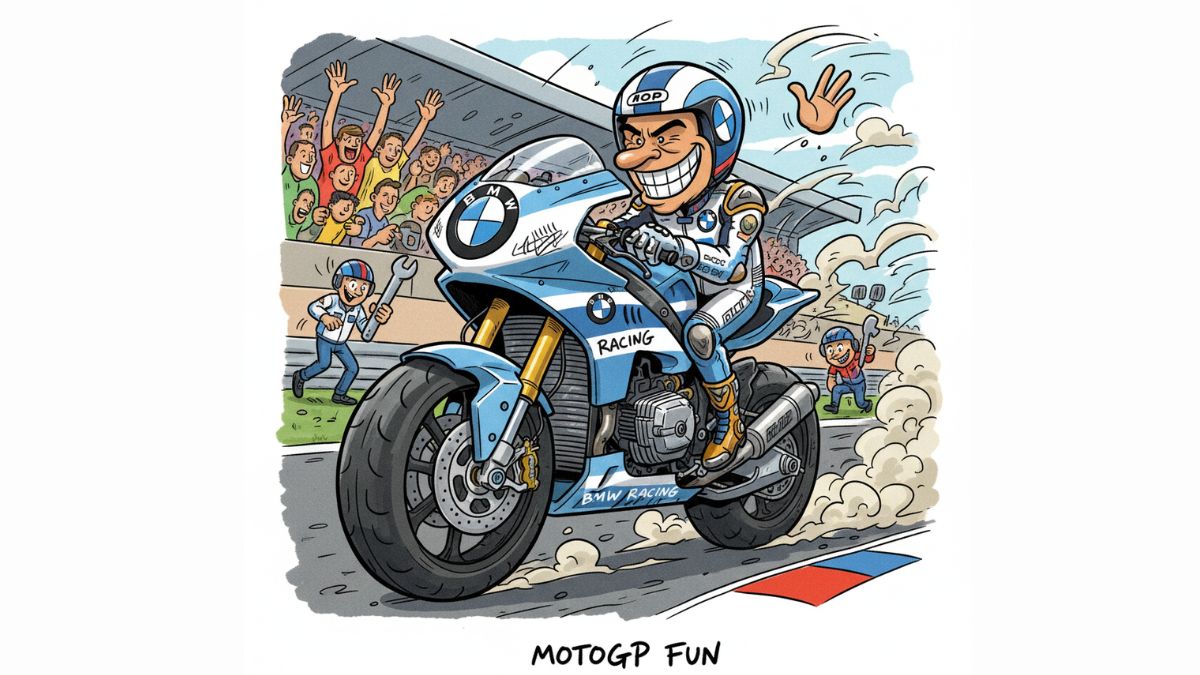
While the grid might seem cozy with its current five manufacturers, the whispers of new entrants are getting louder than a revving V4 engine. The 2027 regulations are less a rulebook and more a welcome mat, meticulously crafted to lure in fresh talent and competition. And the name on everyone’s lips? BMW. 🏍️💨
The Allure of 2027: A Magnetic Shift
The 2027 regulations are a masterstroke of design, aimed at making the pinnacle of two-wheeled racing more accessible, safer, and, let’s be honest, more jaw-droppingly exciting. The most significant change is the drop in engine displacement from 1000cc to 850cc. It’s a strategic move to reduce top speeds, improve bike handling, and promote closer, more unpredictable racing. For a new manufacturer like BMW, which has a powerhouse of engineering in its Motorrad division and a reputation for cutting-edge performance, this change levels the playing field. They won’t be playing catch-up to a decade of development with 1000cc engines.
The new rules also ban all ride-height devices and limit aerodynamic appendages, which is a huge win for the fans who feel these innovations have made bikes less reliant on rider skill and more about the tech. It’s a return to a more pure form of racing where the rider is the real hero, something that resonates deeply with MotoGP’s fiercely loyal audience. A recent fan survey showed over 82% of fans have followed the sport for more than six years, and they overwhelmingly support rules that promote competition and balance. This is the kind of authentic racing that a brand like BMW can leverage for its marketing.
Concessions: A Golden Ticket to the Grid
The updated concession system is the secret sauce. This a-la-carte menu of perks is designed to help new manufacturers get up to speed without breaking the bank. As a potential new entrant, BMW would start in “Rank D,” which gives them a buffet of benefits: unlimited engine development, more testing opportunities with their race riders, and a generous allocation of wildcard entries. This is a stark contrast to the existing manufacturers, who are on a tight leash with their development.
This system directly addresses a major roadblock for new entrants: the immense cost and time needed to become competitive. For a company like BMW, this means they can fast-track their development, gather crucial data, and fine-tune their prototype on a real-world track against the best in the business. It’s a low-risk, high-reward proposition that makes a MotoGP program infinitely more attractive.
BMW: The Persistent Rumor and The Marketing Payoff
The rumor of a BMW MotoGP entry has been a persistent one for years. While the official line has been cautious, with CEO Markus Flasch stating that a 2027 entry is “not viable,” a future entry is certainly a strategic consideration. A MotoGP program offers an unparalleled platform for brand exposure and global marketing.
Current MotoGP viewership is massive, with a cumulative audience of over 300 million and a growing digital footprint. The audience skews young, with over 60% of social media followers under 35, and a passionate, dedicated fanbase. The sport is viewed as exciting, competitive, and technologically advanced, all attributes that align perfectly with the BMW brand ethos.
By entering MotoGP, BMW could:
- Boost its brand visibility: Beyond its existing success in WorldSBK, MotoGP offers a global, top-tier stage to showcase its engineering prowess.
- Enhance its brand image: Associating with a sport defined by speed, performance, and cutting-edge technology directly impacts how consumers perceive their production bikes.
- Create a halo effect: Success on the track can translate into increased sales for its road bikes. The S1000RR, for example, is already a fan favorite, and a successful MotoGP campaign would only solidify its reputation as a performance benchmark.
Competitor Analysis: A Market Waiting to be Seized
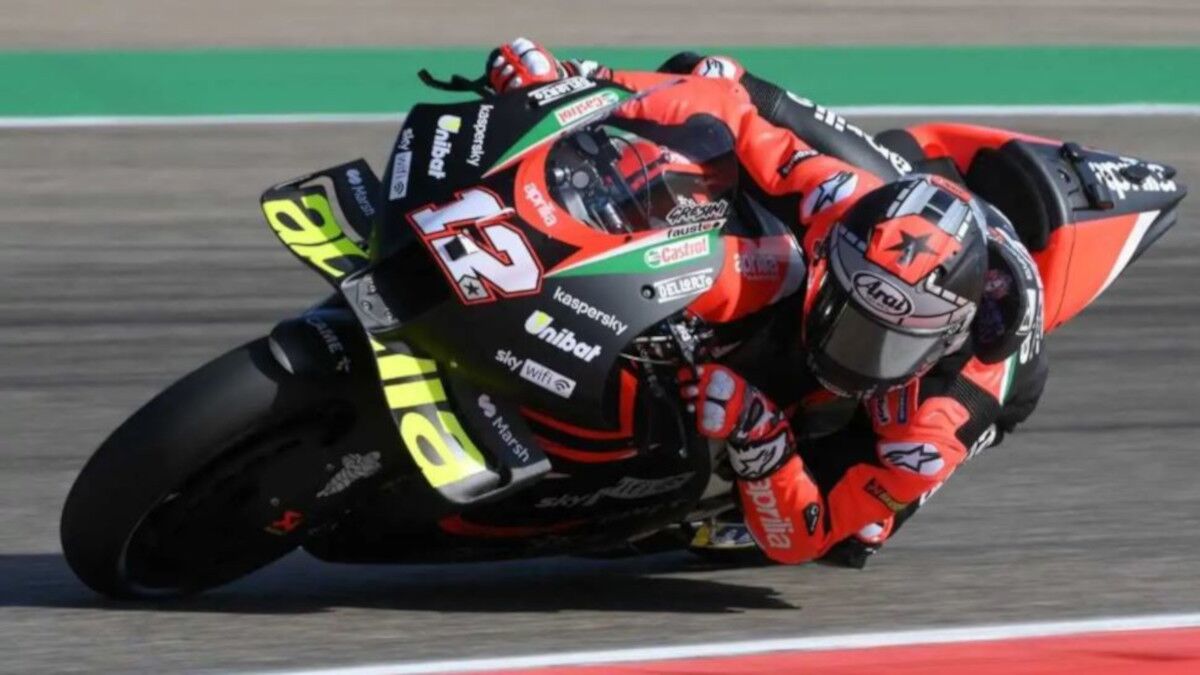
The current landscape is dominated by Ducati, which has enjoyed a period of overwhelming success. However, the other manufacturers—Honda, Yamaha, KTM, and Aprilia—have all had their struggles. Honda and Yamaha, once the giants of the sport, are still rebuilding, and KTM and Aprilia are fighting for podiums.
Fans have a few gripes with the current state of affairs. While the racing is often thrilling, some dislike the extensive use of aerodynamics and holeshot devices, feeling they detract from the rider’s influence. There is a general desire for more factory competition and a more balanced grid. The new regulations, with their focus on rider skill and stripped-back bikes, directly address these criticisms.
A new manufacturer, especially a prestigious one like BMW, would bring a fresh dynamic and a massive fan following. It would shake up the established hierarchy, create new storylines, and offer the kind of thrilling, on-the-edge competition that fans crave. The timing is perfect. The new rules are a welcoming invitation, and the global market is ready for a new MotoGP contender.
Sources:
- MotoGP’s 2027 Technical Regulations: https://www.motorsport.com/motogp/news/full-details-of-motogps-2027-technical-regulation-changes/10607681/
- BMW MotoGP Entry Analysis: https://www.bmwblog.com/2025/08/08/bmw-rules-out-joining-motogp-2027/
- MotoGP Global Fan Survey: https://www.motogp.com/en/news/2022/09/01/key-findings-revealed-from-motogp-global-fan-survey/181438
- MotoGP Business Model & Sponsorship: https://rtrsports.com/en/blog/motogp-business-model
Our Social Media Handles
- Instagram : LivingWithGravity
- Medium : Akash Dolas
- YouTube Channel : Gear and Shutter
- Facebook : LivingWithGravity