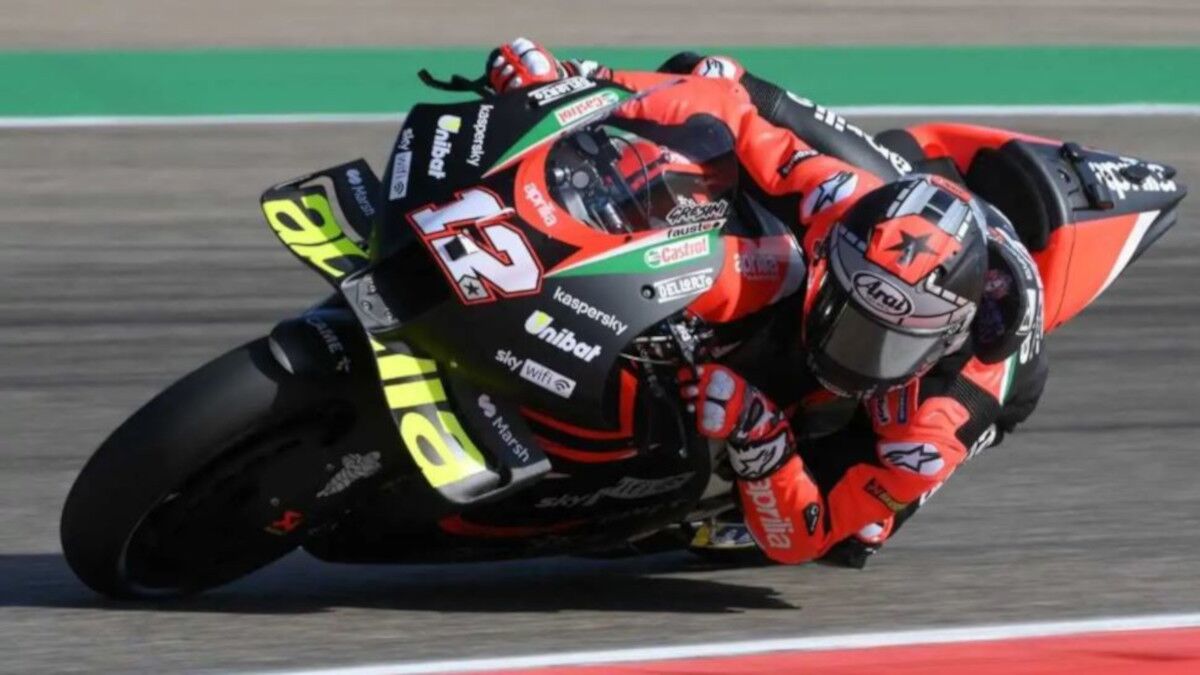



















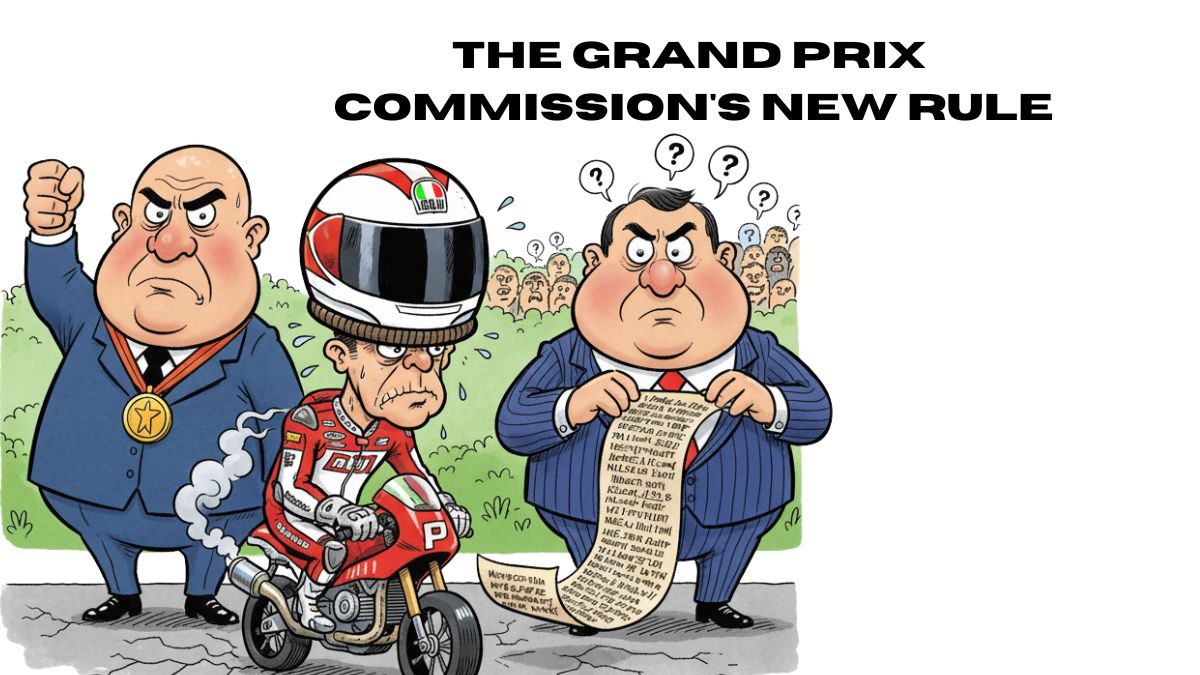
The Grand Prix Commission, the folks who steer the ship on all things motorcycle racing, has decided to add a sprinkle of extra magic to the Saturday sprint. They’ve confirmed the “Tissot Sprint” grid procedure will stretch by five glorious minutes, transforming it into a 20-minute pre-race window, a mirror image of the main Grand Prix race.
This change is not just about giving the riders more time to perfect their pre-race selfies; it is a masterclass in strategic maneuvering.
A Masterclass in Marketing and Strategy
The MotoGP Sprint Race, a brilliant addition introduced in 2023, was designed to supercharge the entire race weekend. It offers a condensed, explosive burst of action that has become a fan favorite, drawing in new eyes and keeping existing fans glued to the screen. This format, a half-distance, no-frills dash, has been a key component in MotoGP’s strategy to bolster its global fanbase, particularly in untapped markets like the US and UK.
For the savvy marketers behind the scenes, a longer pre-race window is a golden ticket. It is an opportunity to amplify the spectacle, showcasing the riders, the machines, and the teams in a more relaxed, but still highly charged, atmosphere. This expanded pre-race grid period gives broadcasters extra time for interviews, detailed shots of the bikes, and, yes, a few more commercial breaks—a necessary evil that helps fund the breathtaking passes and heart-stopping overtakes we all crave.
The Competition on the Grid
When you think of premier motorsports, Formula 1 often comes to mind. While both series showcase the pinnacle of racing, their approaches differ. F1 positions itself as a luxury brand, a high-tech engineering battle where the car often steals the show. The pre-race grid procedure in F1 is a meticulously choreographed affair, a catwalk of celebrity and glamour.
MotoGP, on the other hand, is the gritty, grassroots hero of the racing world. It’s a sport where the rider is the absolute star, and the raw physicality of leaning a bike into a corner at 300 km/h is the main draw. The new 20-minute grid procedure brings MotoGP a little closer to its four-wheeled rival in terms of media exposure, but it maintains its distinct identity by focusing on the human element: allowing riders and their teams that crucial extra time to get their minds and machines perfectly in sync.
The Fan Verdict: The Highs and Lows
So, what do the people who matter most—the fans—think about the MotoGP weekend format?
Likes
- More Drama: The sprint race itself is almost universally adored for its high-octane action. It has become a crucial part of the championship puzzle, with every point counting.
- Increased Excitement: Having a mini-race on a Saturday injects a fresh dose of adrenaline into the entire race weekend, making every session feel significant.
- The Human Element: The extra time on the grid means more opportunities to see the riders’ personalities and their intense focus right before the start.
Dislikes
- Commercial Concerns: Some fans worry that the extended window is purely for commercial gain, which takes away from the purity of the sport.
- Safety Debate: While the extra time for teams to make adjustments is a clear win for safety, some debates over rider behavior and safety measures on track continue to simmer.
In the end, this simple rule change is a nod to a complex sport’s evolving needs. It’s an acknowledgment that with great racing comes great responsibility—and sometimes, a little extra time to make sure the wheels are on tight.
Credible Sources:
- Extended MotoGP Sprint Grid Confirmed by Grand Prix Commission
- MotoGP Accelerates Global Fan Growth with Multi-Year Two Circles Partnership
- Motorsport Marketing: A Comparative Analysis of Formula 1 and MotoGP
- Extended MotoGP Sprint Grid Confirmed by Grand Prix Commission – Reddit
Our Social Media Handles
- Instagram : LivingWithGravity
- Medium : Akash Dolas
- YouTube Channel : Gear and Shutter
- Facebook : LivingWithGravity