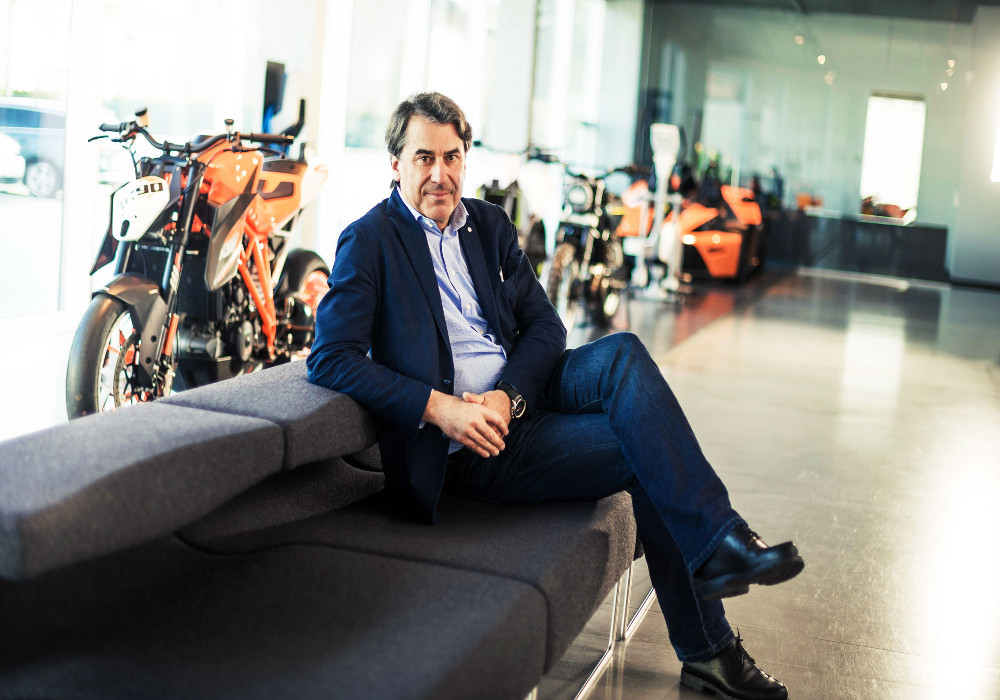

















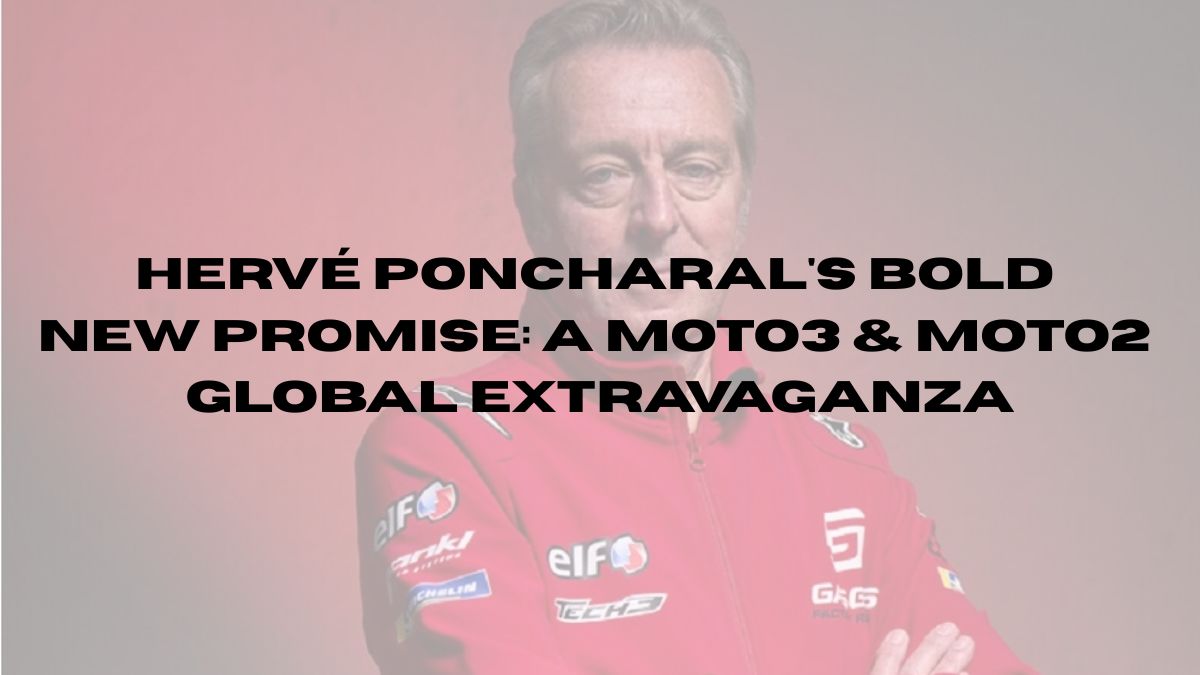
The world of two-wheeled motorsport is buzzing with a groundbreaking declaration from a man who lives and breathes motorcycle racing. Hervé Poncharal, the long-time head of the Tech3 team and a revered figure within the MotoGP paddock, has made a statement that sends a powerful message to fans, sponsors, and the entire racing community: “Moto3 and Moto2 will compete in all 22 GPs.”
This is not just a passing comment. It’s a strategic move with significant implications for the future of the sport. It’s a compelling commitment to the development of racing talent and a thrilling promise for motorcycle racing enthusiasts everywhere.
The Strategic Masterstroke: Why 22 GPs is a Game Changer
In the high-octane world of Grand Prix racing, every decision is a calculated risk. Poncharal’s proclamation, however, appears to be a brilliant strategic play with multiple benefits.
- Elevating the Talent Pipeline: Moto2 and Moto3 are the breeding grounds for future MotoGP champions. By having these junior categories participate in every single Grand Prix weekend, young riders gain invaluable track time and experience on a global stage. This comprehensive schedule fast-tracks their development, creating a more robust and skilled pool of talent for the premier class. It’s an investment in the sport’s future, ensuring a steady stream of charismatic and competitive riders for years to come.
- Enhanced Fan Engagement: A full 22-race calendar for Moto2 and Moto3 means fans get to follow the thrilling championship battles from start to finish. The continuous narrative of these seasons builds suspense and loyalty, keeping audiences hooked on every twist and turn. For casual viewers, it elevates the importance of the support classes. They are no longer just an undercard, but an essential part of the weekend’s entertainment.
- Marketing Gold: For sponsors and manufacturers, a 22-race commitment offers unparalleled marketing exposure. The increased visibility across all venues and broadcasts maximizes brand recognition and return on investment. The consistent presence allows for more sustained marketing campaigns, tying products and brands directly to the excitement and prestige of Grand Prix racing. This is a massive selling point, attracting more investment and resources into the sport.
Competitor Analysis: What about other series?
While MotoGP stands as the pinnacle of motorcycle racing, other series have their own calendars and unique challenges.
- WorldSBK: The Superbike World Championship has a typically shorter calendar, often consisting of 12-13 rounds. While this allows for more concentrated efforts, it lacks the global reach and continuous momentum of a 22-race season. The smaller number of races means fewer opportunities for manufacturers and sponsors to showcase their technology and products.
- MotoAmerica: As the premier motorcycle championship in North America, MotoAmerica has a limited geographic focus. Its calendar is typically concentrated within the United States, which restricts its global audience and commercial appeal.
The commitment to a 22-race calendar positions the Moto2 and Moto3 championships as the most comprehensive and globally relevant feeder series in motorcycle racing. This is a key differentiator, making them irresistible to rising stars and big-name sponsors.
Likes and Dislikes: The Paddock’s Perspective
A survey of the motorsport community, from riders to team personnel and journalists, reveals a consensus of opinions.
- Likes:
- The Thrill Factor: Everyone loves a full weekend of racing. The prospect of seeing a future champion rise through the ranks at every circuit on the calendar is a powerful draw.
- Investment in the Future: The paddock recognizes the importance of nurturing young talent. A commitment to all 22 GPs shows a serious dedication to the long-term health of the sport.
- Increased Sponsorship Appeal: Teams and riders are thrilled about the increased commercial opportunities that come with a bigger calendar. More races mean more visibility for sponsors.
- Dislikes:
- The Grind: A 22-race calendar is demanding, placing immense pressure on teams and personnel. The constant travel and intense work schedule can lead to burnout.
- Logistical Headaches: Transporting a whole circus of bikes, equipment, and people across the globe for 22 races is a logistical nightmare. The costs and complexities involved are substantial.
- Rider Fatigue: For young riders, the physical and mental toll of a long season can be immense. Staying at peak performance for an entire year is a monumental challenge.
Despite these valid concerns, the overwhelming sentiment is positive. The energy and excitement generated by a full calendar outweigh the difficulties.
The Verdict: A Compelling Vision for a Supercharged Future
Hervé Poncharal’s statement is more than just a headline. It is a powerful vision for the future of Grand Prix motorcycle racing. By anchoring the Moto2 and Moto3 classes to a full 22-race calendar, the sport reinforces its talent pipeline, supercharges fan engagement, and creates an unparalleled platform for global marketing. This is a strategic move that solidifies the championship’s status as the ultimate destination for motorcycle racing dreams. It’s a new era of two-wheeled excitement, and we are all along for the wild ride.
Sources:
- MotoGP, Hervé Poncharal delivers Tech3’s roadmap for 2027: “They will fly on their own”
- Moto 3 and Moto 2 will compete in all 22GPs – Hervé Poncharal
- Hervé Poncharal interview: “He’s the strongest Marc Marquez who ever existed”
- Herve Poncharal addresses reports of Tech3 MotoGP team leaving KTM
Our Social Media Handles
- Instagram : LivingWithGravity
- Medium : Akash Dolas
- YouTube Channel : Gear and Shutter
- Facebook : LivingWithGravity