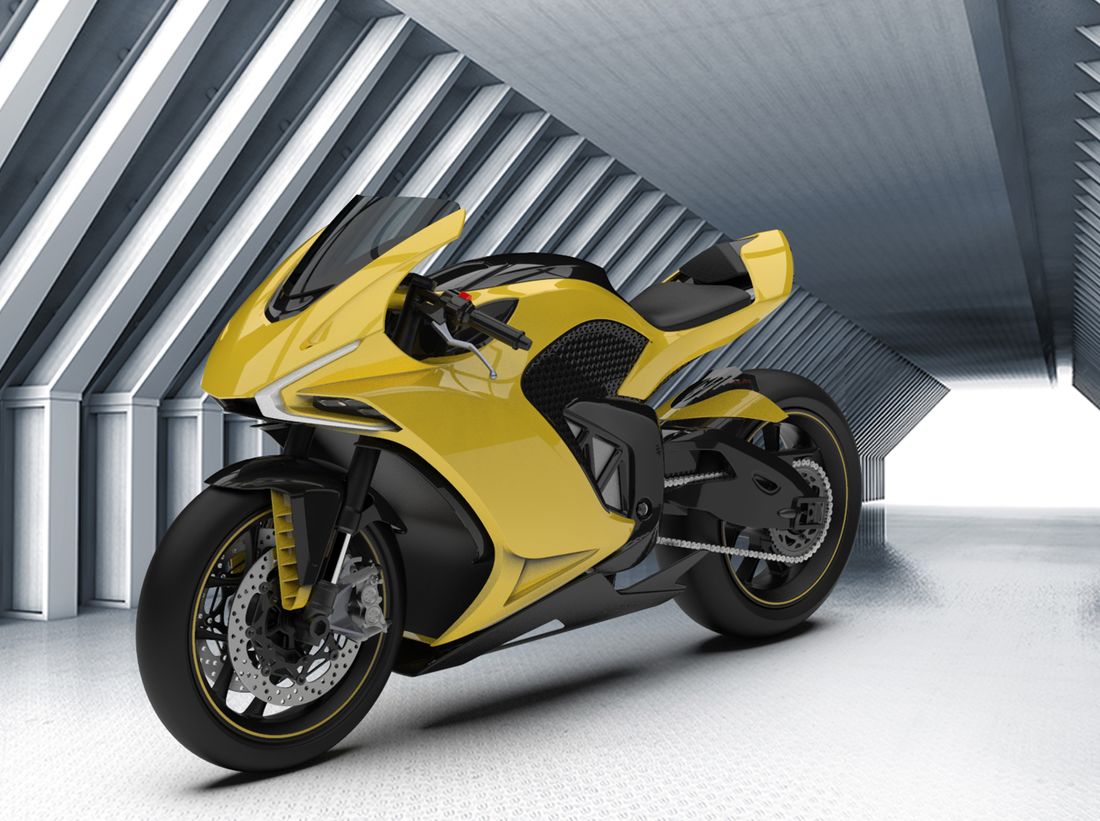
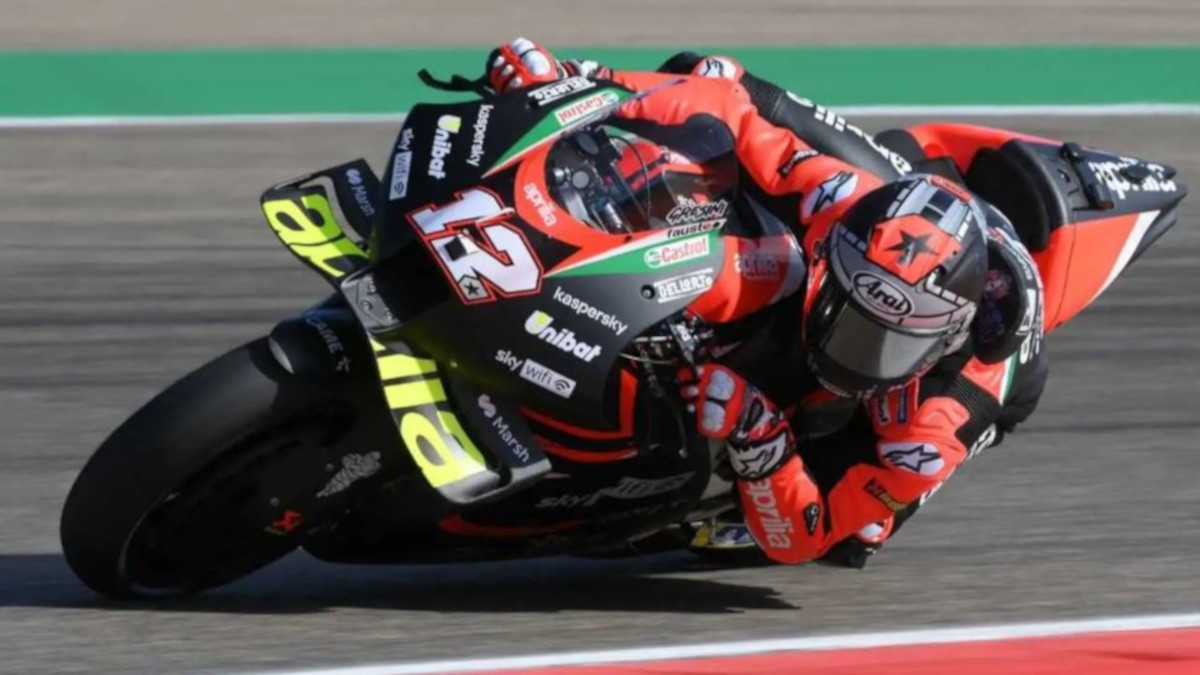















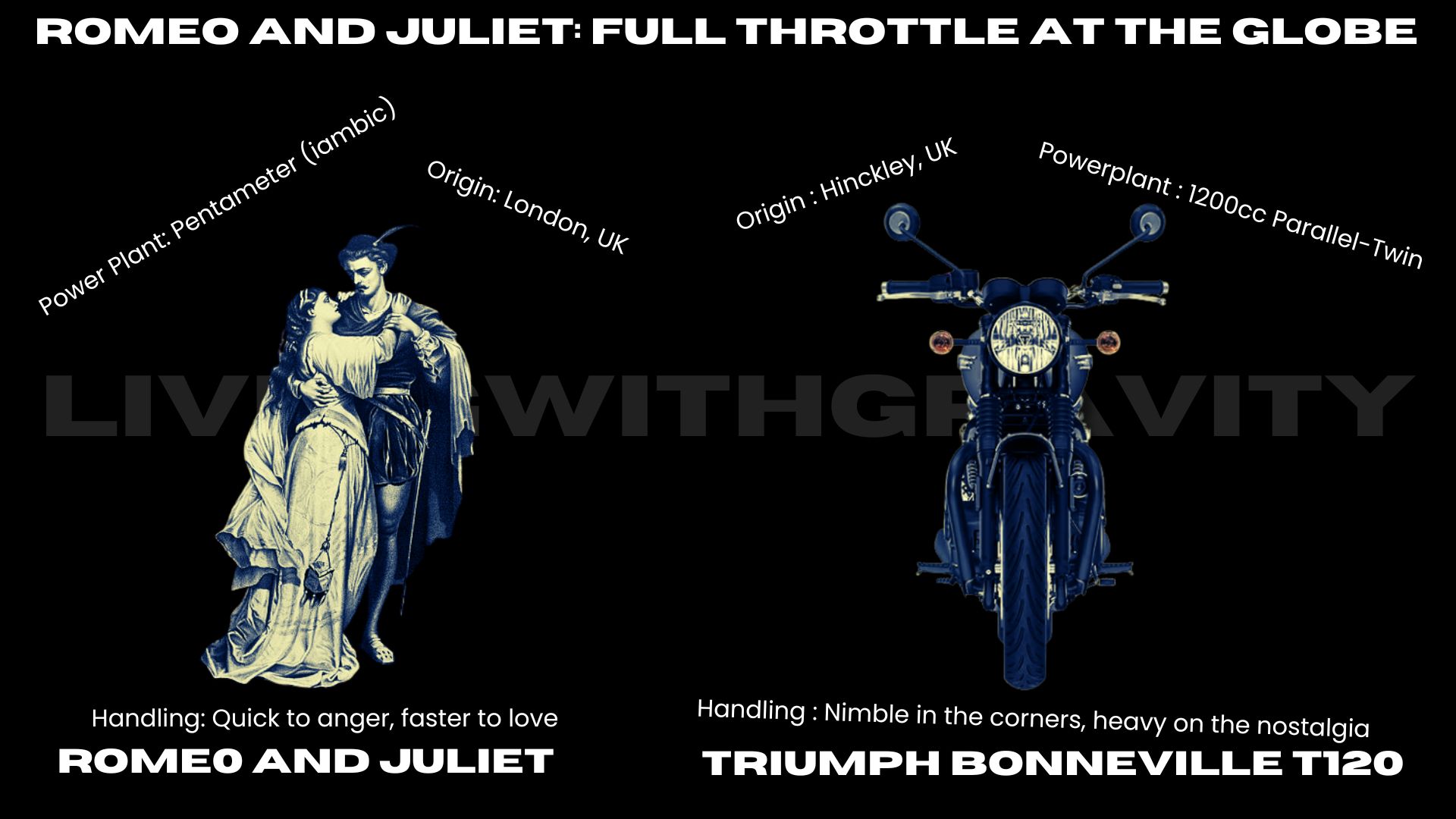
If we are looking for the one motorcycle that perfectly bridges the gap between Shakespeare’s 1595 masterpiece and the pavement, we have to talk about the Triumph Bonneville.
Why? Because if Romeo were going to risk it all for a girl, he wouldn’t do it on a plastic-covered superbike. He’d do it on a machine with British soul, vintage bones, and a name that sounds like a poem.
The Shakespeare x Triumph Connection
The Triumph Bonneville is the “Romeo” of the motorcycle world: timeless, British, and constantly flirting with disaster.
1. The British DNA
Shakespeare is the pride of England; Triumph is the heartbeat of British engineering. Both emerged from the same soil to conquer the world. When you’re riding a “Bonnie,” you aren’t just commuting; you’re performing a soliloquy in the key of parallel-twin exhaust notes.
2. The Tragedy of Beauty
The Bonneville is famous for its “naked” look—it doesn’t hide behind fairings. Just like a Shakespearean play, everything is exposed: the heart (the engine), the ribs (the frame), and the soul. It’s beautiful, it’s classic, and it’s prone to breaking your heart when it won’t start in the rain—very Romeo of it.
3. The “Verona” Aesthetic
Imagine the 1595 performance. The stage is bare, the costumes are leather and silk, and the tension is high. Now look at a Bonneville T120. The leather seat, the chrome tank, the aggressive yet elegant stance—it’s the exact visual equivalent of a Montague swaggering into a Capulet ball.
The 1595 “Spec Sheet” vs. The Bonnie
| Feature | Romeo and Juliet (1595) | Triumph Bonneville |
| Origin | London, UK | Hinckley, UK |
| Power Plant | Pentameter (iambic) | 1200cc Parallel-Twin |
| Handling | Quick to anger, faster to love | Nimble in the corners, heavy on the nostalgia |
| Reliability | Ends in a double funeral | Usually gets you home (if you treat her right) |
The Ultimate Irony
Shakespeare published the play in 1597. If you take the “1” and the “7” and squint through the smoke of a burnout, you’re basically looking at the timeless silhouette of a bike that has been “published” on the roads since the 1950s. Both the play and the bike refuse to go out of style. They are the “Gold Standard” of their respective worlds.
“Parting is such sweet sorrow…”
Translation: That feeling when you have to park the Triumph in the garage for the winter and walk away.
Source
To back up our “Bard on a Bike” theory, here are the clickable sources confirming the history, the drama, and the machine that ties it all together.
🎭 The Shakespearean Timeline (1595–1597)
- Royal Shakespeare Company: Romeo and Juliet Stage History Learn how the play was designed for the “thrust stage” of the 1590s, where speed and language took the place of scenery.
- The British Library: The First Quarto of Romeo and Juliet (1597) View the actual “bad quarto” published in 1597, which was a high-speed, pirated version of the play—essentially the “street-race” version of Shakespeare’s work.
- International Business Times: On This Day 1595 A deep dive into the historical records (and lack thereof) surrounding that legendary first performance on January 29, 1595.
🏍️ The “Existing Motorcycle” (Triumph Bonneville)
- Triumph Motorcycles: The Bonneville Story Official history of the bike that defines “British Classic.” From the 1956 land speed record to the modern T120, this is the definitive source on the Bonnie’s DNA.
- Ends Cuoio: A History of Iconic British Motorcycling A breakdown of how the Bonneville became a cultural icon, linking it to the same rebellious, “star-crossed” spirit that Shakespeare wrote about.
- Wikipedia: Triumph Bonneville Evolution The full technical and chronological breakdown of every generation of the Bonneville, from the 1959 original to the 2026 refined parallel-twins.
🛣️ The Intersection: Shakespeare on Wheels
- The Guardian: Shakespeare on Motorcycle Wheels A fascinating look at how modern “biker” culture (specifically Sons of Anarchy) is just a direct retelling of Shakespearean tragedy.
- Screen Rant: 10 References to Hamlet in Biker Culture Proof that the themes of family, power, and high-speed tragedy are hardwired into the motorcycling world.
Our Social Media Handles
Facebook : LivingWithGravity
Instagram : LivingWithGravity
Medium : Akash Dolas
YouTube Channel : Gear and Shutter