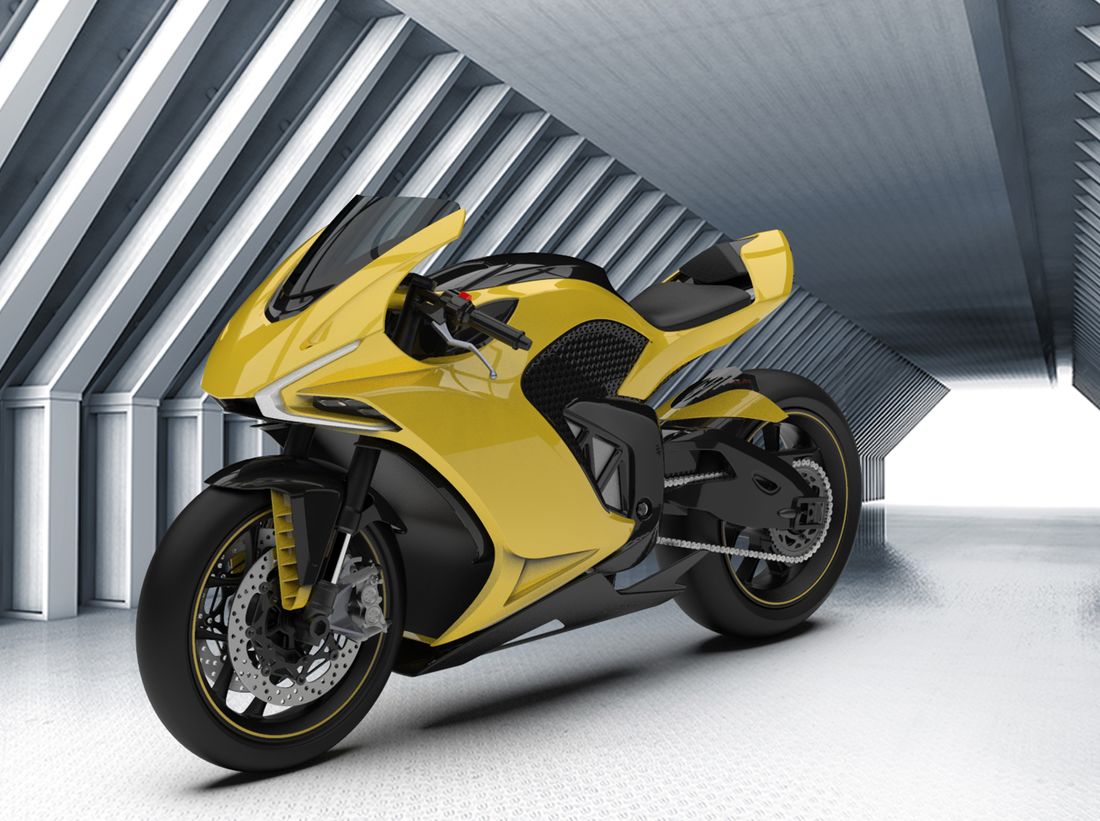
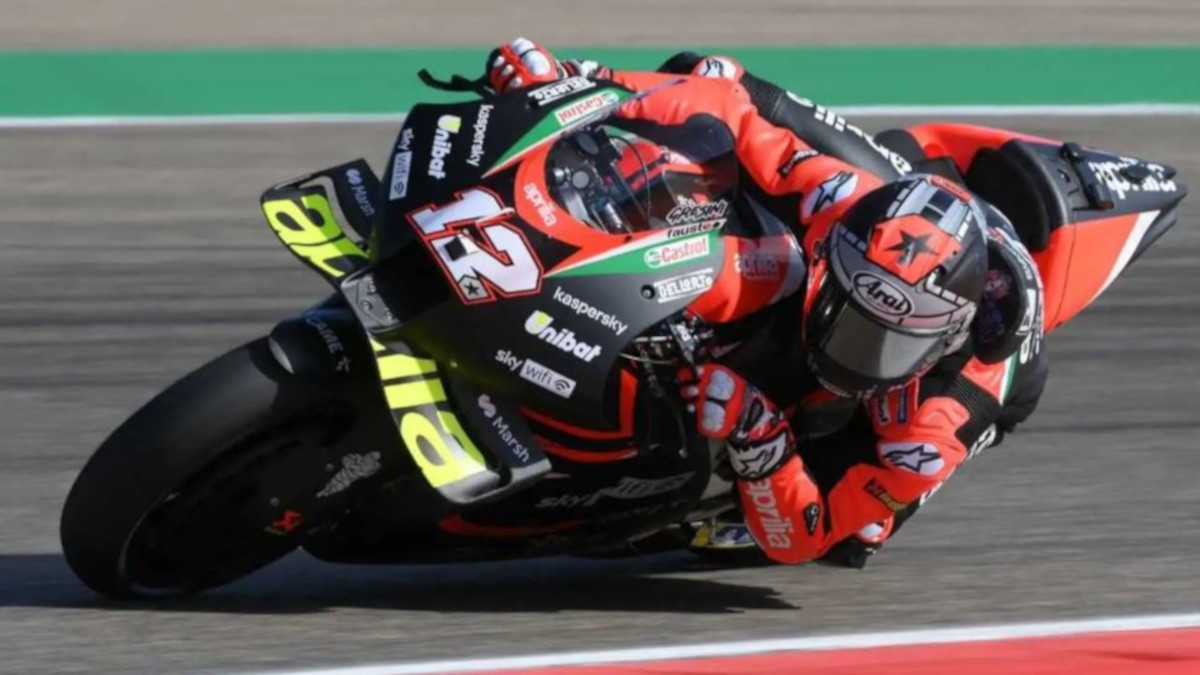










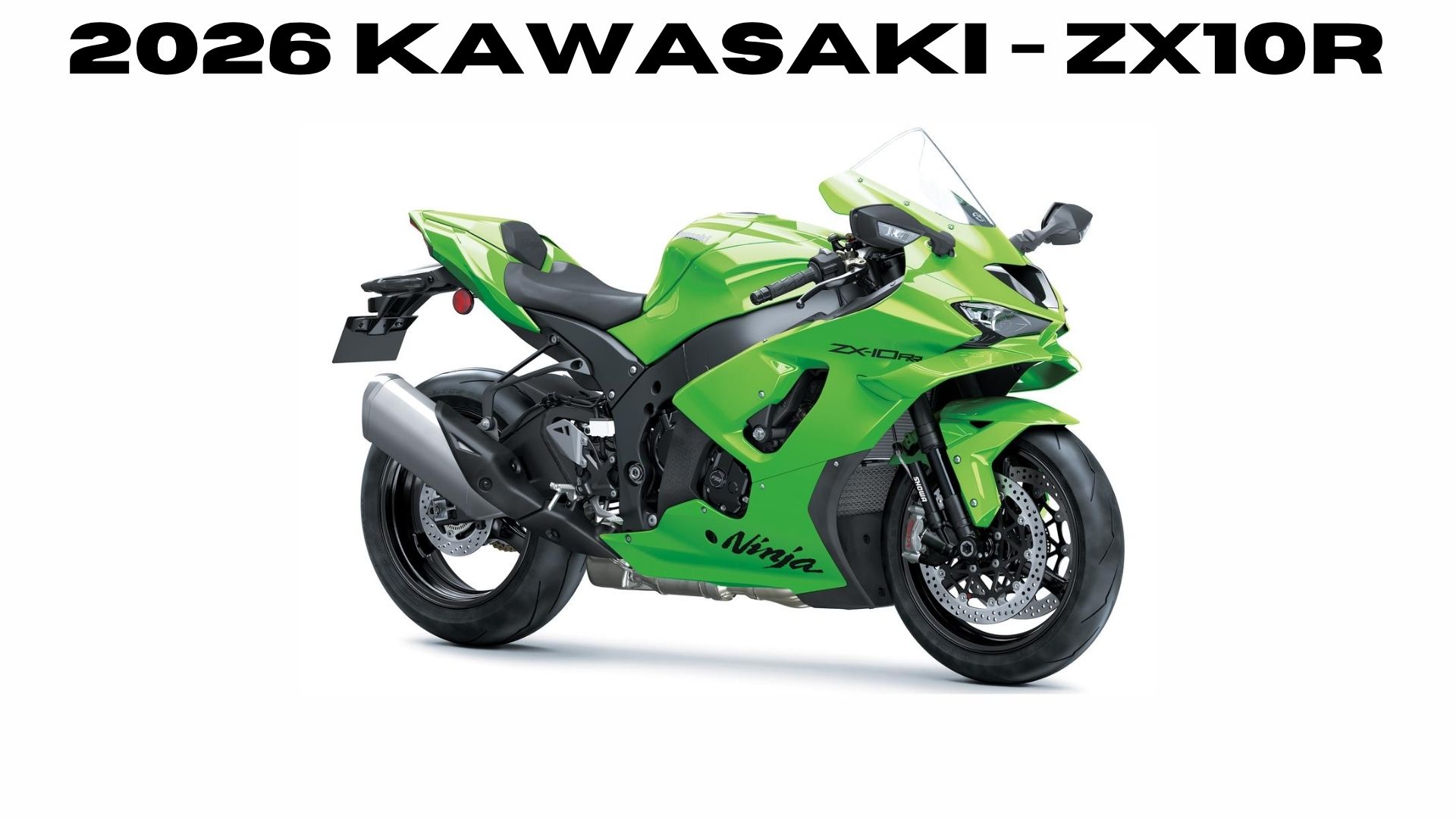
Team Green just dropped a nuclear-grade update at the 2026 Motorcycle Show. Kawasaki isn’t just evolving; they’re rewriting the rulebook on downforce and digital integration.
Whether you’re looking to shatter lap records or just looking for the ultimate “first big bike,” here is the breakdown of the two machines stealing every single spotlight.
The Flagship: 2026 Ninja ZX-10R
The Verdict: It’s not just a face-lift; it’s a full-on aerodynamic assault.
1. “Winglets” are the New Black
The first thing that hits you? Those massive, aggressive winglets. Kawasaki claims a 25% increase in downforce, effectively gluing the front tire to the tarmac at ultra-high speeds.
- The Trade-off: Drag is up by 0.3%, but with this much raw power, who cares? The stability gained in high-speed corners makes this beast feel significantly more telepathic.
- The Easter Egg: Look closely at the “grid” pattern on the cowl—the letters “ZX” are hidden right in the graphics.
2. Old School Meets New Tech
In a surprising move, Kawasaki ditched the electronic steering damper for a Mechanical Ohlins unit. Why? Because pros want to feel every click. You can now manually dial in your front-end resistance exactly how you like it.
3. The Digital Cockpit
The dashboard has officially entered the modern era with a 5-inch TFT color display.
- Turn-by-Turn Nav: Finally, you can get GPS directions right on the dash via “RIDEOLOGY THE APP.”
- The Look: New compact projector/reflector hybrid headlights give it a “predator” stare that makes the 2025 model look polite.
Quick Specs:
- Price: 2,486,000 Yen (~₹13.8 Lakh / $16,500 approx. based on current exchange)
- Release: Summer 2026
- Rubber: Grippy Bridgestone BATTLAX RS12s come standard.
The New Challenger: Ninja 500
The Verdict: The “Perfect” middleweight just got more displacement and more soul.
Replacing the legendary Ninja 400, the Ninja 500 is designed to be the ultimate gateway drug for sportbike enthusiasts.
- Heart of the Beast: A 451cc parallel-twin engine (borrowed and tuned from the Eliminator) that delivers a punchy 45.4 PS. It’s lightweight, narrow, and incredibly flickable.
- Beginner Friendly, Pro Approved: With a seat height of only 785mm and a feather-light kerb weight of 171kg, it’s a dream in city traffic. But don’t let the “beginner” tag fool you—the trellis frame and aggressive Ninja styling mean it carves canyons like a surgeon.
- Tech Upgrades: Like its bigger brother, it gets a high-vis LCD display with full smartphone connectivity.
The “Unicorn”: Ninja ZX-10RR
Limited to 500 units worldwide.
This is the homologation special. No pillion seat, no compromises. It features Pankl titanium connecting rods, lightweight pistons, and Marchesini forged wheels. If the standard 10R is a scalpel, the RR is a laser-guided missile.
The 2026 iterations of the Kawasaki Ninja ZX-10R and the BMW S1000RR represent the cutting edge of liter-class superbikes, both receiving significant aerodynamic and electronic updates for this model year.
Performance & Engine
The BMW maintains a slight edge in raw power, though the Kawasaki’s “Ram Air” system narrows the gap at high speeds.
| Feature | 2026 BMW S1000RR | 2026 Kawasaki Ninja ZX-10R |
| Engine | 999cc Inline-4 (ShiftCam) | 998cc Inline-4 |
| Max Power | ~210 HP @ 13,750 rpm | 203 HP (up to 213 HP with Ram Air) |
| Max Torque | 113 Nm @ 11,000 rpm | 114.9 Nm @ 11,400 rpm |
| Top Speed | ~303 km/h | ~299 km/h (electronically limited) |
| 0–100 km/h | 3.21 seconds | ~3.2 seconds |
Key 2026 Updates
- Aerodynamics: Both bikes have doubled down on winglet technology. The BMW S1000RR features redesigned “shark gill” side panels and winglets that now provide up to 23.1 kg of downforce at 300 km/h. The Ninja ZX-10R introduces a major aerodynamic overhaul with integrated winglets that increase front-end downforce by 25%.
- Electronics: * BMW: “Pro Riding Modes” (Race Pro 1-3) are now standard, alongside a new steering angle sensor that enables advanced “Brake Slide Assist” and “Slip-Slide Control.”
- Kawasaki: Finally receives a major cockpit upgrade with a new 5-inch full-color TFT display featuring turn-by-turn navigation and voice commands.
- Weight & Chassis: The BMW remains the lighter machine at a kerb weight of 197 kg, while the Kawasaki sits at 207 kg. The ZX-10R features revised damping settings for its Showa Balance Free Front Fork (BFF) to compensate for the increased aerodynamic load.
Value & Pricing (India Estimates)
The Kawasaki remains the more accessible “track weapon,” often retailing for significantly less than the BMW.
- Kawasaki Ninja ZX-10R: Starts at approximately ₹20.79 Lakh (Ex-showroom).
- BMW S1000RR: Starts at approximately ₹21.27 Lakh, but the price climbs quickly to ₹25 Lakh+ for the “Pro” or “M Sport” packages which include the carbon wheels and lightweight battery.
Which one to choose?
The BMW S1000RR is the choice for those who want the absolute pinnacle of electronic intervention and the lightest possible weight, especially with the M Package.
The Kawasaki Ninja ZX-10R is widely regarded as having one of the most stable front ends in the business, and the 2026 updates finally bring its technology and display up to par with its European rivals.
Source
Kawasaki Official Sources
- Kawasaki Europe: 2026 Ninja ZX-10R Announcement – The “Push the Limit” press release detailing the new aero package.
- Kawasaki Finland: Ninja ZX-10R 2026 Portal – Next-generation styling and technical highlights.
- Kawasaki EU: Ninja 500 / SE 2026 Product Page – Full specs on the new 451cc lightweight engine and TFT features.
BMW Official Sources
- BMW Motorrad India: S 1000 RR Overview – Pricing and specs for the Indian market, including Pro and M Sport packages.
- BMW Motorrad USA: S 1000 RR Technical Data – Deep dive into the ShiftCam engine and 2026 equipment.
Expert Analysis & Local News
- BikeWale: 2026 Ninja ZX-10R Launch Details – Insights on the price hike and Indian market availability.
- EICMA 2025: Kawasaki Aero Tweaks – Detailed look at the EICMA debut and Smart Aero features.
Our Social Media Handles
- Instagram : LivingWithGravity
- Medium : Akash Dolas
- YouTube Channel : Gear and Shutter
- Facebook : LivingWithGravity