






Expert Analysis and Due Diligence Report: QJ Motor SRK 921 RR—Technical Lineage, Performance Profile, and Ownership Viability
I. The SRK 921 RR: Genesis and Architectural Strategy
The QJ Motor SRK 921 RR represents the most assertive strategic move yet by QJMotor, a subsidiary of the Chinese industrial giant Qianjiang Group, into the global high-performance motorcycle segment. The parent company, which also owns the historic Italian marque Benelli, has employed rapid model expansion and aggressive platform sharing as core growth mechanisms.1 The SRK 921 RR is positioned as a sophisticated, large-displacement sportbike intended to disrupt the established hierarchy dominated by Japanese and European manufacturers.

I.A. QJMotor’s Strategic Incursion into the High-Performance Segment
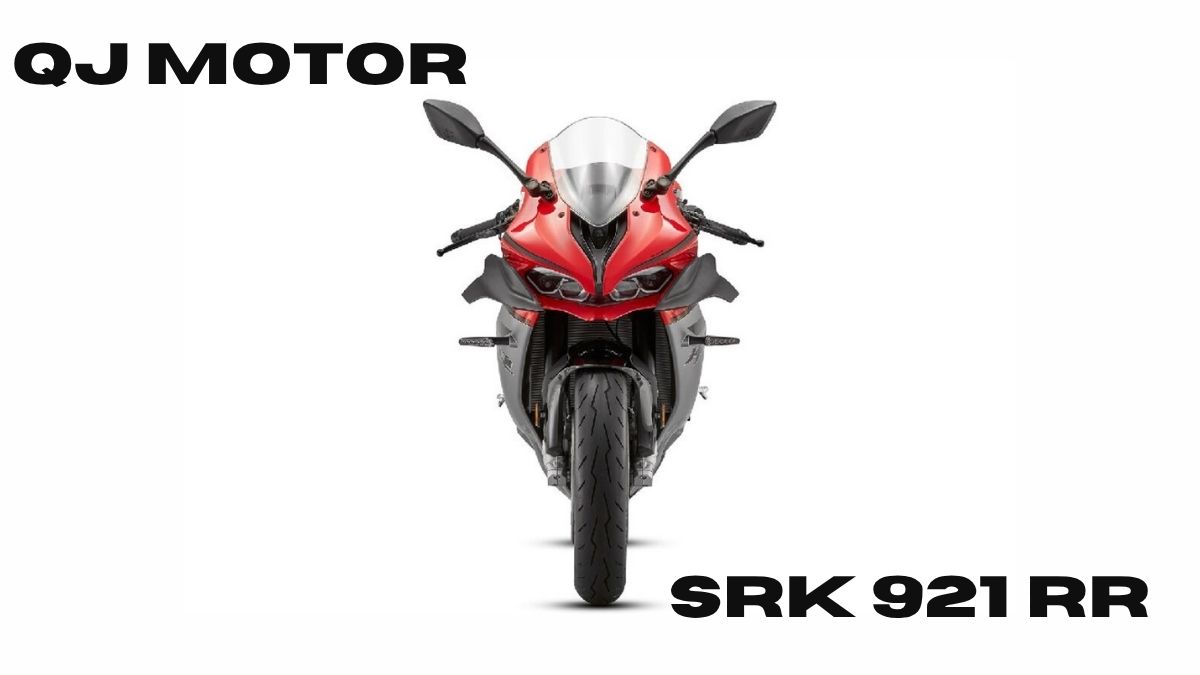
The development path of the SRK 921 RR began with the display of the “SRK 1000 RR” concept at the EICMA show. This prototype promised a maximum output of 161 horsepower (HP).1 However, the confirmed production model, designated the SRK 921 RR, features a toned-down performance profile. The overall physical design remains largely consistent with the show model, featuring distinctive elements such as a unique headlight unit bracketed by LED running light bars, and vertical fin-shaped taillight elements flanking the passenger seat, confirming its showroom-ready aesthetic derived from the EICMA prototype.1 The official production model currently featured in type-approval documents and global specifications confirms a maximum output closer to 127 to 129 HP.1
I.B. The MV Agusta Licensing Agreement: Lineage of the 921cc Inline-Four
The technical foundation of the SRK 921 RR is predicated on a highly unusual and advantageous licensing arrangement with the Italian ultra-premium brand, MV Agusta. QJMotor holds a license to utilize and manufacture the 921cc in-line four-cylinder engine design, which is derived directly from the architecture of MV Agusta’s legendary F4 superbike unit.1
This sophisticated engine is specified as a 4-cylinder, 16-valve DOHC, liquid-cooled unit, featuring an oil radiator for enhanced thermal management.4 The displacement is 921 cc, achieved through highly aggressive, oversquare dimensions of $78.0 \times 48.2$ mm (Bore $\times$ Stroke).4 This short-stroke configuration is characteristic of engines designed to prioritize high rotational speeds and peak horsepower, establishing the SRK 921 RR’s performance pedigree.

I.C. Detailed Engine Dynamics: Power Delivery Mapping and Detuning
The final production tune delivers a peak power of 129.3 HP (95.0 kW) achieved at 10,000 RPM, coupled with a maximum torque of 93 Nm arriving at 8,000 RPM.3 This power delivery profile dictates that the motorcycle must be operated in the upper mid-range and top-end of the rev band to access maximum acceleration, a trait typical of performance-oriented inline-four engines.
The significant reduction in output, from the originally teased 161 HP down to 129 HP, suggests a clear strategic determination by QJMotor. This detuning, which effectively cuts off the top-end of the maximum rev range, accomplishes several critical objectives: first, it aids in meeting stringent global emissions standards, as evidenced by its E5+ homologation 4; second, it shifts the bike’s competitive positioning away from highly specialized liter-bike superbikes and toward the performance-oriented middle-superbike class (800cc-950cc). Crucially, this detuned state reduces internal stress on components and potentially simplifies long-term manufacturing, while simultaneously creating substantial developmental headroom for a potential future variant—such as an “SRK 1000 RR”—that could eventually fulfill the original 161 HP promise.1
I.D. Chassis and Architectural Components
The motorcycle utilizes a hybrid chassis architecture, which, combined with its distinctive single-sided swingarm, suggests structural similarities to sophisticated European platforms, particularly MV Agusta’s Brutale 1000 RS.3
In terms of physical parameters, the SRK 921 RR features a wheelbase of 1,425 mm, indicating a geometry designed for nimble and responsive handling.4 The dimensions are 2,085 mm (Length) $\times$ 790 mm (Width) $\times$ 1,130 mm (Height), with a sporty seat height of 835 mm.4 A notable structural detail is the curb weight, which is stated as 223 kg, fully fueled with a 16 L tank.4 A separate metric places the kerb weight (with ABS) at 215 kg.3 The elevated weight figure, regardless of the precise measurement, plays a crucial role in determining the motorcycle’s overall performance dynamic, as discussed in the following section.
II. Performance Metrics and Component Deep Dive
The QJ Motor SRK 921 RR combines its powerful, specialized engine with a suite of premium components designed to deliver a high-end riding experience, though its high mass introduces certain performance compromises.
II.A. Propulsion System Review
The inline-four engine transfers power through a standard 6-speed gear configuration and chain final drive.4 While the 129 HP figure aligns it with the top tier of the 600cc supersport class, its higher displacement means the power is generated more flexibly, resulting in a robust and accessible torque delivery starting at 8,000 RPM.3 A vital subjective attribute of the motorcycle, crucial for market reception in the sportbike segment, is its auditory performance. Test reviewers highlighted the “impressive sound and emotional appeal” of the exhaust note, which is often a strong selling point for motorcycles featuring high-revving four-cylinder engines derived from European racing heritage.8
II.B. Suspension and Handling Characteristics
The running gear is specified with high-grade components. The front suspension consists of upside-down telescopic forks.3 The rear utilizes a monoshock absorber coupled with telescopic coil spring oil damping, attached to the aesthetically and functionally premium single-sided swingarm.3 While the specific supplier of these components is not detailed in the available materials, their configuration aligns with high-performance standards. Ergonomically, the 835 mm seat height places the rider in a posture conducive to aggressive sport riding. Initial road test impressions corroborate this setup, describing the riding position as “sporty yet comfortable,” suggesting a degree of street compliance despite its aggressive styling.7
II.C. Braking Systems and Safety Electronics
The braking package is robust and competitive within the segment. The front system features 320 mm double discs gripped by four-piston fixed calipers, a setup indicative of strong, consistent stopping performance.3 The rear brake utilizes a 260 mm disc with a double-piston floating caliper.3
Crucially, the motorcycle incorporates essential Advanced Rider Assistance Systems (ARAS), including ABS for optimized brake force management and Traction Control (TC).3 Further modern features include LED headlights and a Tire Pressure Monitoring System (TPMS) integrated into the cockpit display.3 While the presence of high-specification braking hardware is evident, the overall efficacy and rider confidence heavily rely on the quality and calibration of the electronic intervention systems. Early reviews covering the QJ sportbike lineup have mentioned specific observations regarding ABS behavior on the smaller SRK 600 RS sibling 8, suggesting that the overall refinement and advanced tuning of the electronic safety suite across the QJ portfolio are subject to continuous assessment for optimal readiness in highly competitive European and global markets.

II.D. Comparative Analysis of Mass and Power-to-Weight
A critical factor tempering the SRK 921 RR’s performance aspirations is its mass. With a confirmed curb weight of 223 kg 6 (and a 129 HP peak output 3), the resulting power-to-weight ratio is approximately 0.58 HP/kg. This ratio positions the QJ Motor significantly below dedicated, lighter supersport motorcycles—where ratios typically exceed 0.7 HP/kg, and true superbikes often surpass 1.0 HP/kg. This elevated mass is likely attributable to the size and weight of the large 921cc inline-four engine architecture and potentially the frame required for component integration. The data suggest that despite its “RR” designation, the motorcycle is fundamentally optimized as a high-powered, feature-rich street-oriented sportbike, rather than a razor-sharp, track-focused weapon.
Table I: QJ Motor SRK 921 RR Core Technical Specifications (Production Tune)
| Component Category | Detail | Value/Configuration |
| Engine Architecture | Type / Valves / Cooling | 4-cylinder, 16V DOHC, Liquid-cooled |
| Displacement / Bore x Stroke | Measurement | 921 cc / $78.0 \times 48.2$ mm |
| Peak Power Output | Metric / Imperial (at RPM) | 95.0 kW / 129.3 HP (at 10,000 rpm) 4 |
| Peak Torque Output | Metric (at RPM) | 93 Nm (at 8,000 rpm) 4 |
| Curb Weight (Wet) | Mass | 223 kg 7 |
| Wheelbase / Seat Height | Dimensions | 1,425 mm / 835 mm 6 |
| Front Brakes | Type / Diameter / Caliper | Dual Disc / 320 mm / Four-piston Fixed 3 |
| Fuel Tank Capacity | Volume | 16 L 6 |
III. Competitive Landscape and Market Positioning
The SRK 921 RR occupies a highly specialized, and currently under-contested, niche within the sportbike market, challenging established models based on its engine configuration and value proposition.
III.A. The Supersport/Naked-Litre Segment Matrix
By featuring a 921cc engine yielding 129 HP, the QJ motorcycle deliberately positions itself between the conventional middleweight supersport class and the high-output liter-class superbikes. Notably, the SRK 921 RR’s power output directly matches that of high-end 600cc machines, such as the Kawasaki ZX-6R (636cc), which also produces approximately 129 HP.9 However, the QJ achieves this output using a displacement nearly 300 cc larger. This architectural difference provides the SRK 921 RR with the potential for a significantly more tractable, torque-rich power delivery in the lower and middle rev ranges, making it an inherently more flexible and comfortable motorcycle for sustained street usage than its high-strung 600cc rivals.
III.B. Direct and Indirect Competitive Analysis
The QJ Motor SRK 921 RR competes against a diversified range of motorcycles:
- Mid-Range Japanese Benchmarks (Kawasaki ZX-6R, Honda CBR650R): The QJ matches the ZX-6R in peak power but leverages its larger engine capacity for superior torque. Against the Honda CBR650R, the QJ offers substantially higher performance. The primary advantages held by the Japanese rivals in markets like India are their decades-long track record of reliability and established, pervasive service networks.10
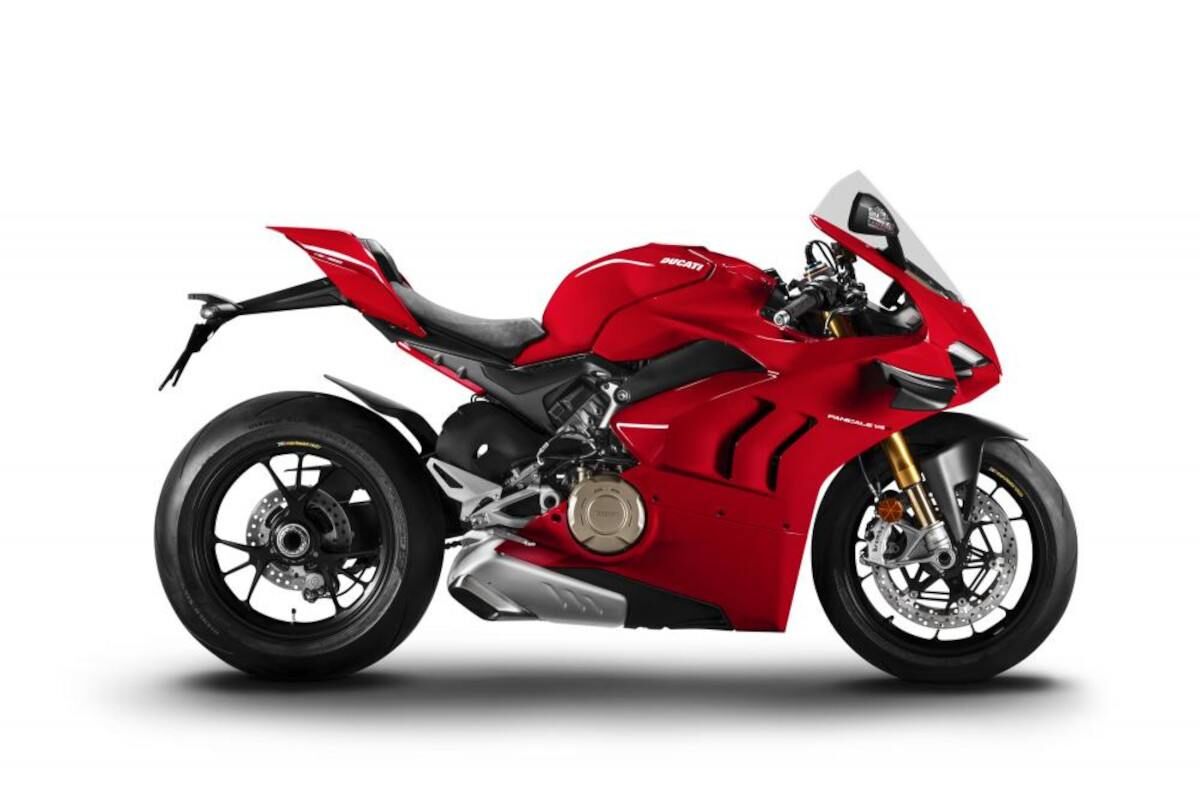
- Premium European Benchmarks (Ducati Panigale V2, Yamaha R9): The Ducati Panigale V2 (955cc, 155 HP) represents the premium benchmark for the middle-superbike category.12 While the Panigale V2 is substantially lighter and more powerful, the SRK 921 RR’s existence as a four-cylinder alternative offers a distinct flavor of performance. Furthermore, the anticipated Yamaha R9 (an 890cc triple) is expected to compete on electronics and agility.9 The QJ’s core distinction in this premium fight is its use of the prestigious inline-four engine configuration, delivering the sound and experience traditionally associated with true superbikes, potentially at a much lower cost.

III.C. Value Proposition Assessment and Pricing Disruption
Initial reports and aggregated listing data provided a highly aggressive estimated Indian ex-showroom price range, spanning ₹ 3,69,000 to ₹ 5,00,000.14 A careful evaluation of the components and the market segment reveals this estimated price is almost certainly erroneous or represents a deeply flawed initial projection. If the SRK 921 RR—a 921cc, four-cylinder, high-specification machine with a single-sided swingarm—were to launch at ₹ 5,00,000 ex-showroom, it would be priced lower than its own smaller, existing QJ Motor siblings and would undercut established 600cc rivals by a margin of 50 to 70 percent (the Kawasaki ZX-6R is over ₹ 11,00,000 ex-showroom 15).
Based on the bike’s high specification, its complex CBU/CKD import status, and its engine technology, the realistic competitive positioning demands an ex-showroom price likely ranging between ₹ 8,00,000 and ₹ 12,00,000. The ultimate value proposition of the SRK 921 RR is therefore not tied to the initial, unrealistic price, but rather to its ability to offer a highly desirable, large-displacement, European-derived four-cylinder motorcycle at a price point that significantly undercuts established segment players by 30 to 50 percent, making it a powerful market disruptor in terms of accessibility.
Table II: Supersport Segment Comparative Analysis and Market Positioning
| Model | Engine Configuration | Displacement (cc) | Peak HP (Approx.) | Curb Weight (kg) | India Ex-Showroom Price (INR) |
| QJ Motor SRK 921 RR (2025) | Inline-Four (MV Agusta Deriv.) | 921 | 129.3 4 | 223 7 | Projected: ₹ 8,00,000 – ₹ 12,00,000 (Based on Spec/Segment Reality) |
| Kawasaki Ninja ZX-6R (2024) | Inline-Four | 636 | 129 9 | $\sim$198 | Circa ₹ 11,20,000 – ₹ 11,50,000 15 |
| Ducati Panigale V2 (2024) | V-Twin | 955 | 155 | $\sim$200 | Circa ₹ 20,68,000 – ₹ 20,80,000 15 |
| Yamaha R9 (Expected) | Inline-Triple (CP3) | 890 | $\sim$119 | $\sim$188 | Expected: ₹ 11,00,000 – ₹ 13,00,000 9 |
IV. Market Entry Strategy: Focus on the Indian Subcontinent
The distribution strategy for the SRK 921 RR centers on leveraging the existing infrastructure established by the parent Qianjiang Group, specifically through its dedicated Indian distributor, Moto Vault.
IV.A. Moto Vault and Qianjiang Group Strategy
QJ Motor operates in India using the multi-brand dealership model managed by Moto Vault, which concurrently handles the sales and service needs of affiliated brands, primarily Benelli and Keeway.17 This approach allows QJ Motor to rapidly enter the market by utilizing an already established, albeit limited, physical footprint. Initial dealership and service center locations are concentrated in key urban areas, including Pune (Wakadewadi and Shivajinagar), Thane, Nashik, Ahmedabad, and Goa, indicating a strategic, phased rollout targeting financially significant Western Indian regions.17
IV.B. Projected Pricing and Market Accessibility
The market opportunity for the SRK 921 RR is deeply rooted in the strong emotional and aesthetic appeal that a large-displacement inline-four engine holds for Indian motorcycle enthusiasts.8 If the motorcycle is priced strategically to be the most affordable four-cylinder sportbike in the 900cc class, it will tap directly into this core demand, offering prestige and performance sound often unattainable at that price point.
However, the vehicle’s long-term commercial success in this region depends heavily on Moto Vault’s ability to maintain a reliable parts supply and a high standard of technical service, especially given the motorcycle’s European-derived mechanical complexity.
V. Critical Assessment of Ownership Experience and Aftermarket Viability
The analysis of ownership viability requires moving beyond static technical specifications to evaluate the robustness of the motorcycle’s supporting ecosystem. This assessment reveals significant, systemic risks related to the aftermarket infrastructure.
V.A. The Service Network Challenge: Lessons from the Qianjiang Portfolio
QJ Motor’s distribution reliance on the Moto Vault network, which is structurally and managerially intertwined with Benelli and Keeway in India 18, exposes the SRK 921 RR to chronic, documented service deficiencies. Detailed reports from owners of affiliated brands indicate significant and recurring issues 19:
- Chronic Spare Parts Delay: Owners frequently report experiencing extensive downtime, with wait times for essential parts, even for routine maintenance, often measured in weeks or “months”.20
- Service Quality and Negligence: There are documented instances of service negligence, including poor technical work that results in new faults, unauthorized upselling during routine services, and a failure to resolve issues accurately (e.g., misdiagnosed tyre leaks).20
- Deficient Customer Resolution: Attempts to escalate critical issues, even to the level of the Managing Director, have been documented as being ignored, demonstrating a lack of functional customer support and claims management.20
V.B. Long-Term Maintenance Implications of the MV Agusta Engine
The engine at the core of the SRK 921 RR—a 921cc inline-four derived from the MV Agusta F4 platform—presents a magnified maintenance challenge. MV Agusta engines are inherently high-performance, complex units derived from racing specifications, historically requiring highly specialized tools, exacting procedures, and skilled, dedicated technicians for services that must often be performed near a dealer.21
The fundamental structural problem is the convergence of two critical vulnerabilities: a high-stress, complex, Italian-derived engine demanding high-precision, specialized, potentially expensive components; and a localized parts logistics chain that has demonstrably failed to procure even standard components for less complex motorcycles (Benelli/Keeway twins) in a timely manner.20 This confluence creates an exponentially elevated ownership risk. The implication is that any major failure of a specialized engine component on the SRK 921 RR will likely result in vehicle downtime measured in many months, substantially undermining the utility and investment value of the motorcycle, regardless of its attractive initial purchase price.
Table III: Qianjiang Group India Service Viability Risk Matrix
| Risk Area | Evidence from Affiliated Brands (Benelli/Keeway) | Impact Amplification on SRK 921 RR | Severity Rating (1-5) |
| Spare Parts Logistics | Weeks to months of delay for common parts.20 | Exotic, specialized MV Agusta-derived engine parts increase supply chain dependency and procurement time significantly.21 | 5 (Extreme) |
| Technical Competency | Reports of poor fitment, negligence, and creation of new faults post-service.20 | I4 engine complexity demands specialized, factory-trained technicians; poor service risks major, costly engine damage. | 4 (High) |
| Customer Resolution | Management frequently ignores customer escalation attempts.20 | Low confidence in the fulfillment and execution of warranty claims for major component defects. | 4 (High) |

VI. Conclusion and Strategic Outlook
VI.A. The QJ Motor SRK 921 RR: A Study in Contradictions
The QJ Motor SRK 921 RR is a compelling study in technological ambition met by logistical constraints. It successfully integrates a sophisticated, high-revving 921cc inline-four engine 4 and premium components, including a single-sided swingarm and fixed caliper brakes, positioning it as a potentially high-value, highly desirable exotic machine. However, the decision to incorporate this exotic pedigree with a comparatively heavy chassis (223 kg) 7 means the motorcycle functions optimally as a high-performance street machine rather than a benchmark track weapon. Its appeal is rooted in the “emotional appeal” of its engine note and prestigious componentry.8
VI.B. Final Assessment of Global and Regional Success Potential
Globally, the SRK 921 RR is positioned to capture market share from established brands by offering comparable engine output and high-specification features at a significantly lower purchase price, provided QJMotor can ensure global quality control standards.
The prognosis for the Indian market is complex. The QJ Motor SRK 921 RR holds the technical potential to be a game-changing value proposition, offering an aspirational 921cc four-cylinder engine at a price point potentially half that of key Japanese and European rivals in the 900cc class.
However, this product’s intrinsic value is critically undermined by the extrinsic risk associated with the affiliated service infrastructure. The severe, documented deficiencies in the Moto Vault service network regarding spare parts availability and technical competency, combined with the inherently complex and maintenance-intensive nature of the MV Agusta-derived mechanicals, create an unacceptable vulnerability for the long-term owner.20
The conclusion is definitive: The commercial success and long-term viability of the QJ Motor SRK 921 RR in the Indian market will be determined not by its initial purchase price or its impressive specifications, but entirely by the ability of QJMotor/Moto Vault to fundamentally restructure and guarantee a rapid, reliable supply chain for the highly specialized parts required by this exotic engine platform. Until such time as the Qianjiang Group demonstrates a radical improvement in its aftermarket support, the SRK 921 RR remains a highly appealing but high-risk proposition for any long-term enthusiast or industry professional considering ownership.
Sources
- QJMotor SRK 921 Nears Production – Cycle World, accessed October 26, 2025, https://www.cycleworld.com/motorcycle-news/qjmotor-srk-921-nears-production/
- QJ Motors – Unofficial Royal Enfield Community Forum, accessed October 26, 2025, https://forum.classicmotorworks.com/index.php?topic=34323.0
- QJ Motor SRK 921 RR – technical data, prices, reviews – 1000PS.com, accessed October 26, 2025, https://www.1000ps.com/en-us/model/12960/qj-motor-srk-921-rr
- MODELS – QJMOTOR, accessed October 26, 2025, https://global.qjmotor.com/m/car.html?id=296
- QJ SRK1000RR sportbike to be launched next year – BikeWale, accessed October 26, 2025, https://www.bikewale.com/news/qj-srk1000rr-sportbike-to-be-launched-next-year/
- QJMOTOR SRK 921RR – mega chinamotor, accessed October 26, 2025, https://chinamotorworld.com/listings/qjmotor-srk-921rr/
- 2025 QJ Motor SRK 921 RR : A Stunning Fusion of Italian-Inspired Design and Cutting-Edge Performance – YouTube, accessed October 26, 2025, https://www.youtube.com/watch?v=eJo1A-732Ns
- QJ Motors SRK 600 RS & 921 RR Track Review – Budget Superbikes with Big Surprises!, accessed October 26, 2025, https://www.youtube.com/watch?v=vKLOw4qQQT4
- 2025 Yamaha R9 vs Kawasaki ZX-6R | Supersport Showdown – Which Rules the Streets?, accessed October 26, 2025, https://www.youtube.com/watch?v=L8C2YXm7UrI
- Honda CBR650R vs Kawasaki Ninja ZX-6R – Know Which Is Better! – BikeWale, accessed October 26, 2025, https://www.bikewale.com/compare-bikes/honda-cbr650r-vs-kawasaki-ninja-zx-6r/
- Honda CBR650R vs Kawasaki Ninja ZX-6R – Know Which is Better – BikeDekho, accessed October 26, 2025, https://www.bikedekho.com/compare/cbr650r-vs-ninja-zx-6r
- QJ Motor SRK 921 RR 2025 vs Ducati Panigale V2 2024 – 1000PS.com, accessed October 26, 2025, https://www.1000ps.com/en-us/comparison/440562/qj-motor-srk-921-rr-2025-vs-ducati-panigale-v2-2024
- Yamaha R9 vs Kawasaki ZX6R: Which One Should You Buy? – YouTube, accessed October 26, 2025, https://www.youtube.com/watch?v=XtwyAPpFWrE
- QJ Motor SRK Price, Specs, Review, Pics & Mileage in India – Maxabout Cars, accessed October 26, 2025, https://autos.maxabout.com/bikes/qj-motor/srk
- Best Super Bikes in India – October 2025 – BikeWale, accessed October 26, 2025, https://www.bikewale.com/best-super-bikes-in-india/
- Best Super Bikes in India -2025 Prices, Images – BikeDekho, accessed October 26, 2025, https://www.bikedekho.com/find-super-bikes
- QJ Motor Bike Showrooms in Pune – ZigWheels.com, accessed October 26, 2025, https://www.zigwheels.com/bikes/dealers/qj-motor/Pune
- About Us | Bikes in India | New Bike Model 2023 – QJ Motors India, accessed October 26, 2025, https://qjmotor-india.com/find-a-dealer
- What went wrong with Benelli India – Team-BHP, accessed October 26, 2025, https://www.team-bhp.com/forum/motorbikes/300552-what-went-wrong-benelli-india.html
- I regret buying a Benelli (my 5-year service nightmare in India) – Medium, accessed October 26, 2025, https://medium.com/@vignesh_2710/i-regret-buying-a-benelli-my-5-year-service-nightmare-in-india-939f6f15604b
- General cost of maintaning an MV Agusta F3 : r/motorcycles – Reddit, accessed October 26, 2025, https://www.reddit.com/r/motorcycles/comments/10650h/general_cost_of_maintaning_an_mv_agusta_f3/
Our Social Media Handles
- Instagram : LivingWithGravity
- Medium : Akash Dolas
- YouTube Channel : Gear and Shutter
- Facebook : LivingWithGravity