

















1. Introduction: Framing the Motorcycle Safety Challenge
1.1 The Inherent Vulnerability of Motorcyclists
Motorcycling is a mode of transport and recreation that carries an inherent and unique set of risks. The fundamental reason for this heightened danger lies in the physical design of the vehicle itself. Unlike drivers and passengers in cars, trucks, or other enclosed vehicles, a motorcycle rider is completely exposed, lacking the protective shell of a cabin, seat belts, and airbags that can absorb and dissipate the forces of a collision.1
This lack of an enclosed space means that a crash is almost certain to result in direct contact between the rider and other vehicles, fixed objects, or the road surface. This foundational difference elevates the potential consequences of any mishap, making a rider significantly more susceptible to serious and life-altering injuries or fatalities.1 This report aims to explore this central vulnerability by examining the statistical realities, the complex interplay of causative factors, and the strategic countermeasures that can be implemented to enhance safety for all road users.

1.2 Scope and Purpose of the Report
This expert report provides a comprehensive, evidence-based analysis of motorcycle accidents by synthesizing a diverse range of data from authoritative sources, including governmental agencies, academic studies, and local reports. The analysis moves beyond a simple enumeration of accident causes to uncover the systemic, behavioral, and technological factors that contribute to the disproportionate risk profile of motorcyclists. The report is structured to provide a multi-layered understanding, from macro-level statistical trends to a granular case study of a specific region, concluding with actionable recommendations for various stakeholders. The goal is to furnish a definitive resource for professionals in public health, transportation safety, law, and the automotive and insurance industries, enabling informed strategic decision-making and policy formulation.

2. The Statistical Landscape: A Disproportionate Risk Profile
2.1 Global and National Trends in Fatalities and Injuries
The data on motorcycle accidents reveals a concerning global trend of increasing fatalities and a persistent overrepresentation of motorcyclists in traffic-related deaths. In the United States, the number of motorcyclists killed has been on a troubling upward trajectory, reaching 5,932 deaths in 2021—the highest number recorded since the Fatality Analysis Reporting System (FARS) began collecting data in 1975.4 This increase continued into 2023, with 6,335 motorcyclists killed, accounting for 15% of all traffic fatalities.2 This figure is particularly striking given that motorcycles represent only a small fraction of registered vehicles.
Similar patterns are observed elsewhere. In Australia, motorcyclist fatalities increased by 20% from 2017 to 2023, reaching 253 deaths in the latter year.7 Motorcyclists comprised 20% of all road deaths in the country, a clear indicator of their heightened vulnerability.7 The crisis is perhaps most acute in India, where two-wheelers are a primary mode of transportation for hundreds of millions. In 2021, two-wheelers were responsible for 69,240 deaths out of 155,622 total road fatalities, with motorcycles and trucks together accounting for over 40% of all casualties.8 This statistical reality underscores a significant public health and safety challenge that is escalating worldwide.
2.2 Comparative Risk Analysis: The Stark Disparity
To fully comprehend the true risk faced by motorcyclists, it is essential to analyze fatality rates on a per-mile-traveled basis. This metric provides a crucial normalization that accounts for the fact that motorcycles are used less frequently and for shorter distances than cars. The data reveals a staggering disparity. In 2023, per vehicle miles traveled (VMT), motorcyclists were approximately 28 times more likely to die in a motor vehicle crash than occupants of passenger cars.5 This risk multiplier has been consistent over the years, with 2022 data showing a multiplier of nearly 22.2
The data on injuries is equally stark. In 2023, motorcyclists were five times more likely to be injured in a crash than passenger car occupants, based on VMT.5 The probability of injury or death in a motorcycle crash is around 80%, a dramatic contrast to the 20% probability in car accidents.3 This is not merely a behavioral phenomenon but a fundamental physical one. The lack of a protective enclosure means that even a minor collision that might result in a scratch for a car can lead to catastrophic injury or death for a motorcyclist. This profound risk multiplier compels the focus of safety initiatives away from solely reducing accident frequency and towards interventions that mitigate the severity of outcomes, such as protective gear and advanced vehicle technology. The following table provides a clear quantitative summary of this disproportionate risk.
| Rate | Vehicle Type | 2021 Fatality Rate per 100M VMT | 2021 Injury Rate per 100M VMT | 2023 Fatality Rate per 100M VMT | 2023 Injury Rate per 100M VMT |
| Fatality | Motorcycles | 30.20 4 | 421 4 | 31.39 6 | 409 6 |
| Passenger Cars | 1.26 4 | 103 4 | 1.13 6 | 88 6 | |
| Light Trucks | 0.76 4 | 58 4 | 0.66 6 | 56 6 |
2.3 Demographic and Temporal Patterns
An analysis of crash demographics reveals evolving trends in the rider population. In Australia, males make up an overwhelming majority of fatalities, accounting for 95% of motorcyclist deaths in 2023.7 The age profile of fatally injured riders is also changing. In the United States, the proportion of motorcyclists aged 50 and older killed in crashes has increased from 3% in 1975 to 33% in 2023, while the share of those under 30 has dropped significantly.2 This shift suggests that the rider demographic is broadening beyond a young, thrill-seeking cohort to include a growing population of older commuters and recreational riders. Safety campaigns and educational efforts must therefore adapt to address the diverse behaviors and needs of this changing demographic, moving away from a narrow focus on “sportbike” riders to a more inclusive approach.
Geographical and temporal data also provide important clues. In the U.S., 67% of motorcycle fatalities occurred in urban areas.4 Similarly, in Australia, the majority of deaths happened in major cities, and the highest number of weekday crashes occurred during daylight hours.7 This pattern points to the unique hazards of commuting in congested urban environments, such as distracted drivers, complex intersections, and unpredictable traffic, all of which present unique dangers to motorcyclists.

3. Causative Factors: A Confluence of Human and Environmental Failures
3.1 Human Error: The Dual-Party Problem
Human error is the single most dominant factor in motorcycle accidents, but a detailed analysis reveals that this error is not exclusive to the rider. Instead, it is a two-party problem, often involving a failure of perception or judgment on the part of both the rider and other motorists.
3.1.1 Errors by Other Motorists
A significant proportion of multi-vehicle crashes are caused by other drivers who fail to see or properly react to a motorcycle. A common scenario involves a car making a left turn in front of an oncoming rider, an action that demonstrates a failure to yield the right of way.1 Research indicates that in approximately 50% of multi-vehicle cases, the other driver is primarily or partially at fault.10 A deeper analysis of this phenomenon identifies a specific cognitive failure: “detection failure”.11 This goes beyond simple inattention; it is the “looked-but-failed-to-see” effect, where a driver’s brain fails to register the small, narrow profile of a motorcycle even when it is in their field of vision.1 This cognitive bias, often compounded by factors such as a car’s blind spots or glare, makes motorcycles less visible and more susceptible to collisions with inattentive drivers who change lanes without proper checks.1
3.1.2 Errors by Riders
Rider behavior is also a critical factor in a large number of accidents. Speeding and reckless riding are major causes of collisions for all road users, but they are particularly dangerous for motorcyclists due to their minimal protection.1 Excessive speed reduces a rider’s reaction time and significantly increases the force of impact, leading to more catastrophic injuries.1 Another prominent contributor is impaired driving. In 2021, 29% of motorcycle riders killed in crashes had a blood alcohol concentration (BAC) of 0.08 g/dL or higher.12 Operating a motorcycle under the influence of alcohol or drugs impairs coordination and judgment, making a rider more vulnerable to accidents and less able to respond to unexpected hazards.9 Inexperience and improper riding techniques, such as misjudging a curve or failing to lean properly while cornering, also frequently lead to a loss of control.10
3.2 Environmental and Infrastructure Hazards
Road conditions and environmental factors are major contributors to motorcycle accidents. A study by the American Automobile Association (AAA) found that poor road conditions are a factor in approximately one-third of all motorcycle crashes.13 For a motorcyclist, a hazard that a car would barely register—such as a deep pothole, uneven pavement, loose gravel, or slippery surfaces—can easily cause the bike to lose stability and the rider to lose control.1 In some cases, these infrastructure failures, whether due to poor maintenance by a government agency or a defective road design, can result in a crash and make the responsible agency legally liable.1 Beyond road surfaces, other environmental dangers include inadequate lighting and poorly marked or missing signs, which can direct a rider into a hazardous situation, such as an unmarked sharp curve.14 The case study of Pune, India, illustrates how a confluence of poor road infrastructure, including dug-up stretches, potholes, and unscientific speed breakers, creates a consistently dangerous environment for two-wheeler riders.16
3.3 Mechanical and Equipment-Related Issues
While less frequent than human or environmental factors, mechanical problems can also cause catastrophic accidents. A failure stemming from improper vehicle maintenance or a defective part or system can lead to a loss of control.1 In such cases, liability may be assigned to the vehicle owner if they failed to properly service the bike, or to a maintenance company or parts manufacturer if their poor repairs or a defective component were the root cause.1

4. Strategic Mitigation: The Efficacy of Proactive Safety Measures

4.1 The Proven Efficacy of Protective Gear
Personal protective equipment (PPE) is the first and most crucial line of defense for a motorcyclist.
4.1.1 Helmets
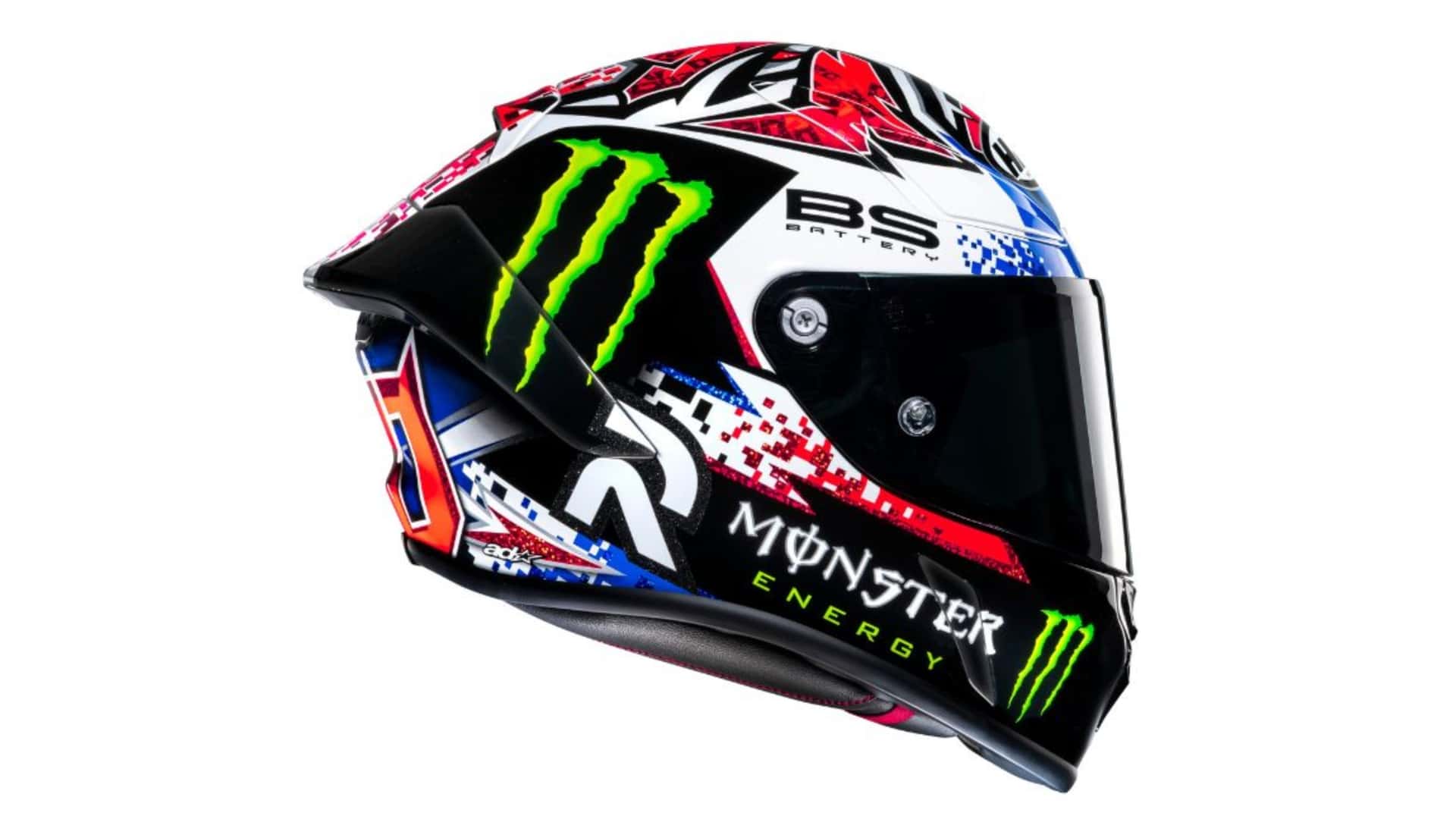
Helmets are widely recognized as the single most effective way to reduce fatalities and severe injuries. According to the Centers for Disease Control and Prevention (CDC) and the National Highway Traffic Safety Administration (NHTSA), wearing a helmet reduces the risk of death in a crash by 37% to 42%.17 Helmets are also estimated to reduce the risk of severe brain injury by 70% and the overall risk of head injury by 69%.17 A rider without a helmet is 2.3 to 4.4 times more likely to sustain a head injury than a helmeted rider.19 The data from the United States confirms this, showing that in states with universal helmet laws, 89% of fatally injured riders were helmeted, compared to just 35% in states with no such law.2 In India, the lack of helmet use is a major factor, with an alarming 83% of motorcyclists killed in crashes in Maharashtra in 2020 found to be helmetless.20
4.1.2 Body Armor and Clothing
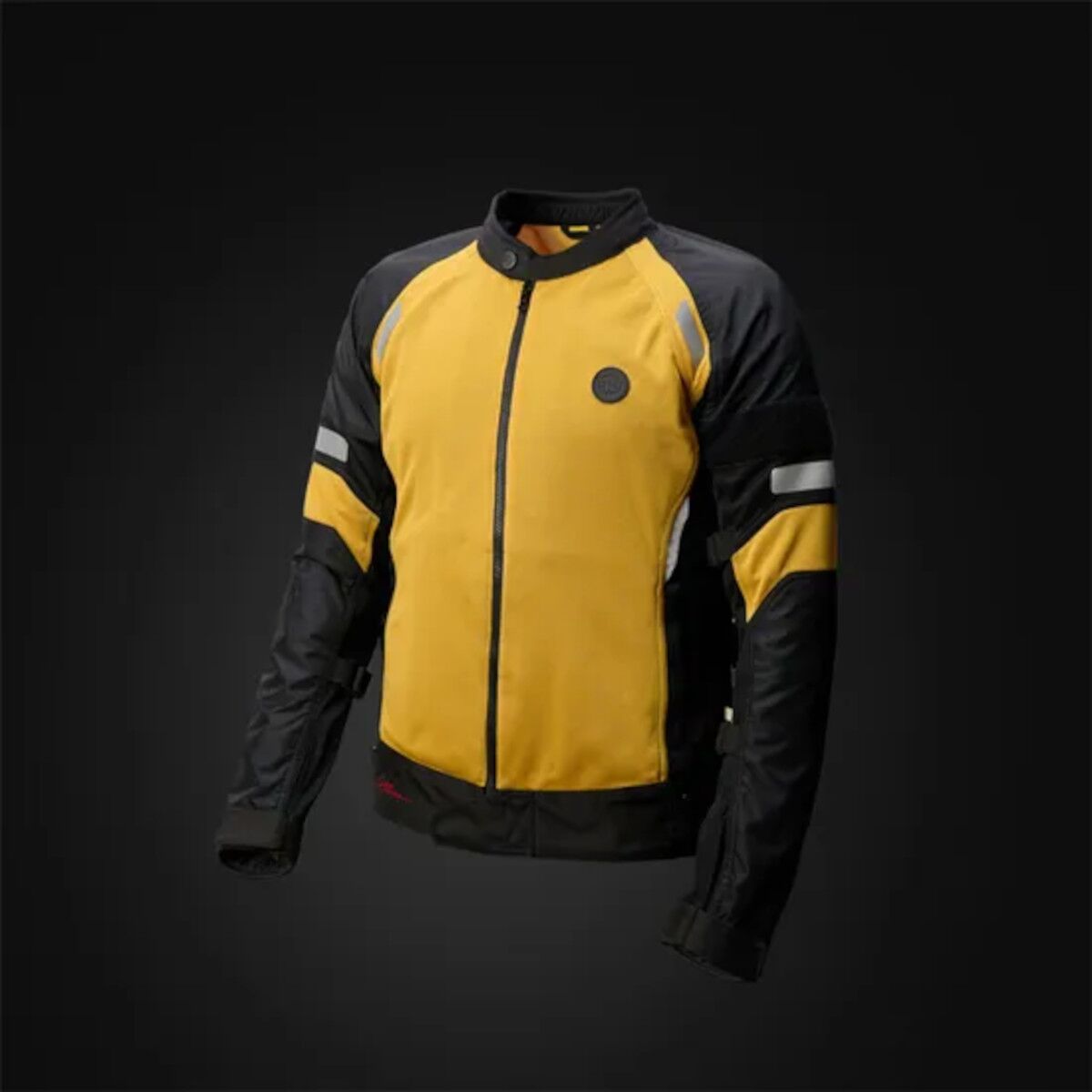
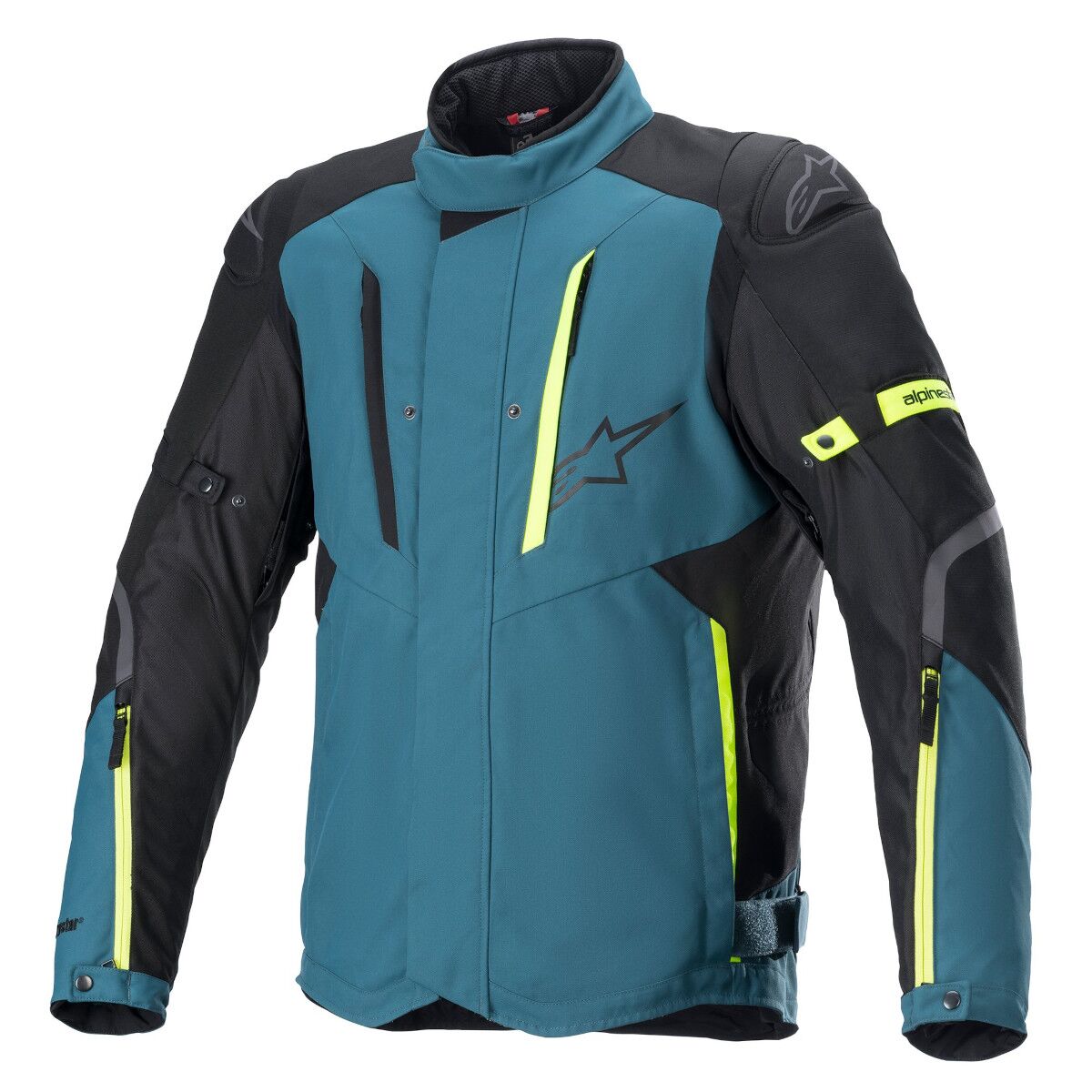
Beyond helmets, a full complement of protective clothing is essential. High-quality jackets, pants, gloves, and boots are designed to absorb impact and resist abrasion, significantly reducing the risk of severe injury.18 Studies have shown that wearing adequate gear can reduce the likelihood of needing hospital admission after a crash. For instance, any kind of boot can reduce the risk of an ankle injury by 53% and an open wound by 73%, with armored boots reducing the risk of an open wound by 90%.21 The most advanced body armor uses non-Newtonian materials that are flexible during normal riding but stiffen instantly upon impact to disperse energy, turning a potentially life-altering injury into a less severe one.18
4.2 Rider Training and Experience: A Contested Efficacy
The effectiveness of formal rider training programs is a subject of conflicting research. Some studies suggest that trained riders have lower accident and traffic violation rates, while others show the opposite.22 For example, one study found that individuals who took a beginner course were more likely to be involved in an accident than those who did not.22 This paradoxical outcome can be explained by several factors. First, it may be a statistical anomaly rooted in methodological limitations, such as small sample sizes or a lack of standardized evaluation methods.22 Second, it may be a behavioral phenomenon where new riders gain overconfidence from a training course, leading them to take on greater risks in the early stages of their riding careers.
However, a more profound understanding of the data indicates that training does provide tangible benefits that may not be immediately apparent in accident rate statistics. A consistent finding across studies is that formal training increases the use of personal protective equipment among riders.22 This is a critical point, as wearing proper gear directly reduces the severity of injuries and the likelihood of death. Thus, while a training course may not prevent a rider from getting into a crash, it may very well be the factor that turns a fatal accident into a non-fatal one. The most valuable outcome of training may be a change in behavior regarding safety measures rather than a reduction in accident frequency.
4.3 Advanced Vehicle Technologies: A New Era of Safety
Technological innovation in motorcycles has emerged as a powerful force for reducing accidents.
4.3.1 Anti-Lock Braking Systems (ABS)
ABS is one of the most significant safety advancements in motorcycling. It prevents wheels from locking up during hard braking, allowing the rider to maintain steering control. Research on this technology has consistently demonstrated its effectiveness, with studies showing that ABS is associated with a statistically significant 22% to 31% reduction in the rate of fatal motorcycle crashes.24 The evidence is so compelling that it is described as “highly effective” in preventing fatal crashes.25
4.3.2 Traction Control (TCS) and Stability Control (MSC)
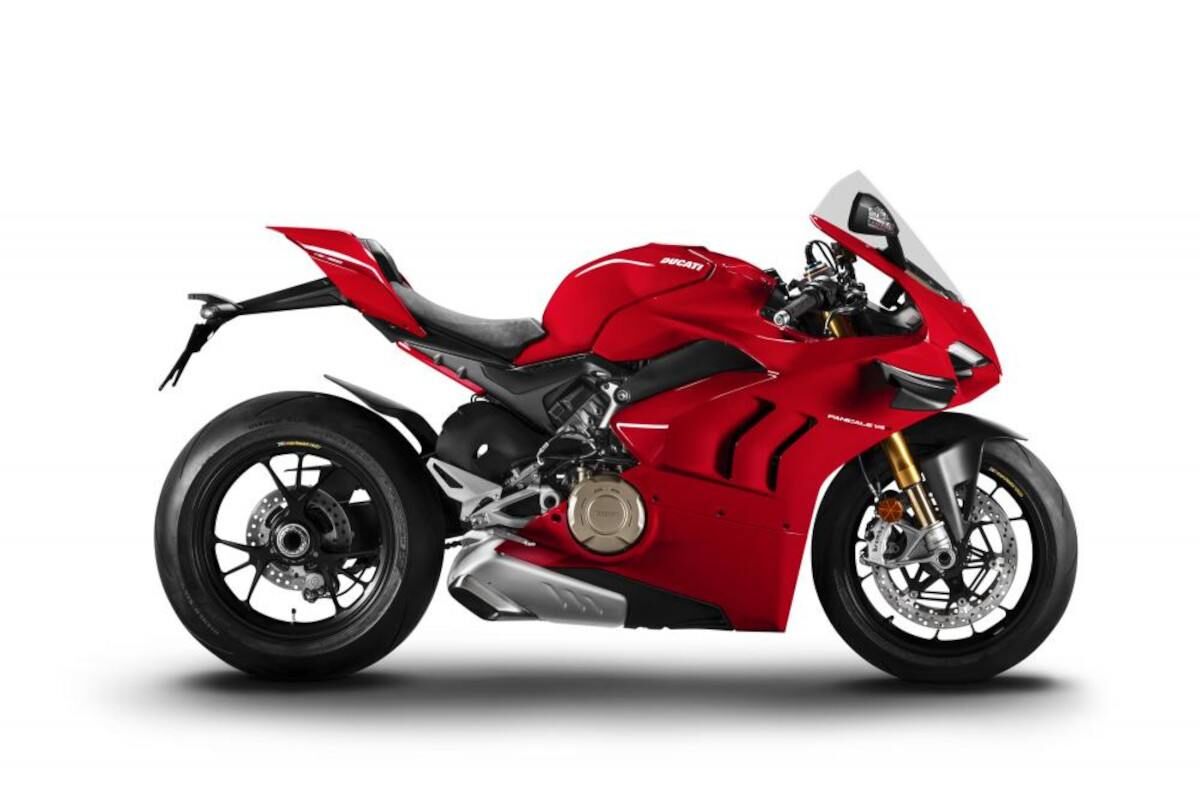
Advanced electronic rider aids like traction control and stability control are standard on many high-end motorcycles and are becoming increasingly common on others. Traction control systems work by managing the power delivered to the rear wheel to prevent it from spinning out, which is particularly useful on slippery surfaces.26 Bosch’s Motorcycle Stability Control (MSC) system uses a suite of sensors to monitor the bike’s dynamic state and assist the rider with braking and accelerating, especially while cornering.27 The integration of these systems has been shown to contribute to a marked reduction in accident rates among riders of high-performance motorcycles.28 Looking ahead, the use of AI, integrated radar systems, and heads-up displays in helmets holds the potential to dramatically enhance safety by providing real-time hazard detection and collision warnings, addressing the fundamental issue of “detection failure” by anticipating potential dangers before a human can react.28

5. Case Study: The Motorcycle Safety Crisis in India
5.1 Contextualizing the Risk
India’s motorcycle safety challenge is one of immense scale and complexity. With a massive population and a dominant two-wheeler culture, the sheer volume of motorcycles on the road creates a unique and perilous road ecosystem. Data from the World Bank indicates that two-wheelers in India are 30 times more prone to accidents than cars on a per-kilometer basis, leading to a high rate of death and disability among riders.29 This is a public health crisis where two-wheeler users account for a disproportionate share of road fatalities.
5.2 Analysis of Accidents in Maharashtra and Pune
The state of Maharashtra, a major economic hub, provides a microcosm of this national crisis. In 2022, the state recorded 15,224 deaths from 33,383 crashes, a 13% increase in fatalities from the previous year.30 Two- and three-wheelers were the most vulnerable group, accounting for 54% of all deaths and 49% of non-fatal injuries.30 A major contributing factor to the high fatality rate is the lack of proper safety equipment; a Ministry of Road Transport and Highways (MoRTH) report showed that 83% of all motorcyclists killed in Maharashtra in 2020 were not wearing helmets.20
The city of Pune illustrates how a combination of poor infrastructure and risky behavior creates a lethal environment. In 2024, Pune recorded 1,401 road accidents, resulting in 320 deaths.16 The local police have identified 19 specific “blackspots,” or high-accident zones, including the New Katraj Tunnel Road and Navale Bridge Chowk, which are a direct result of the dangerous combination of human error and infrastructural hazards.31 A deeper examination of accident patterns in the state reveals a fatal highway paradox. National and state highways, which make up only 16% of the road network length in Maharashtra, accounted for 57% of the state’s road crash deaths.30 This is not simply because highways are more dangerous; it is because the high speeds they permit, coupled with a lack of proper road design (such as illegal entry/exit points) and the high prevalence of unhelmeted riders, create a perfect storm for catastrophic accidents. A collision on a highway, where vehicles are moving at high speed, has a much higher likelihood of being fatal than one in a congested urban area.32
5.3 Policy and Data Initiatives: The Integrated Road Accident Database (iRAD) Project
In response to this crisis, the Government of India has launched the Integrated Road Accident Database (iRAD) Project, a crucial step towards a data-driven approach to road safety. The project, funded by the World Bank, aims to create a uniform, nationwide database by collecting detailed accident data from police, transport, highway, and health departments.33 By utilizing data analytics, the iRAD system is designed to provide actionable insights, such as the precise identification of accident-prone areas and the underlying causes of crashes. This integrated approach represents a fundamental shift in governance by compelling various government departments to collaborate and share information, thereby breaking down traditional silos. The ultimate goal is to move from reactive fixes to proactive, evidence-based policy formulation, which could finally provide the empirical basis needed to compel local municipalities and state agencies to address long-standing infrastructure flaws and behavioral risks.33
6. Legal, Financial, and Systemic Implications
6.1 Legal Consequences for At-Fault Parties (Indian Context)
Indian law imposes specific and increasingly stringent penalties for those who cause road accidents. A death resulting from negligent or rash driving is a criminal offense under Section 304A of the Indian Penal Code (IPC), punishable with up to two years of imprisonment and/or a fine.36 Other offenses include rash driving (IPC 279) and causing grievous hurt (IPC 338).36 The Motor Vehicles Act also imposes penalties for dangerous driving and defective vehicles, with a first offense for dangerous driving incurring a fine of
₹5,000.36 A critical distinction in the legal framework is the escalation of charges for more egregious offenses. If an accident is caused by drunk driving, the charges can be elevated to culpable homicide not amounting to murder (IPC 304), a non-bailable offense that can result in imprisonment for up to 10 years or even life imprisonment in severe cases.36 Fleeing the scene of an accident is also a criminal offense under this section.36 These provisions are designed to serve as a strong deterrent against high-risk behaviors.
6.2 The Role of Insurance and Compensation Claims
For both victims and at-fault parties, insurance is a critical component of the post-accident process. In India, third-party liability insurance is mandatory for all two-wheelers, providing a legal and financial safety net for those who suffer losses or injuries due to an at-fault rider.37 Victims or their families can file a claim for compensation through the Motor Accidents Claims Tribunal (MACT).36
In the United States, medical bills after an accident can be covered by several types of insurance, including Personal Injury Protection (PIP) or Medical Payments coverage, which are optional but highly recommended additions to a motorcycle policy.38 These policies can pay for medical expenses regardless of who was at fault in the accident.38 In a no-fault state like Massachusetts, PIP coverage is the primary source of funds for medical bills up to a certain limit before other insurance, such as private health insurance, takes over.39
The claims process in India, as outlined by insurers like Acko and Reliance General, requires immediate notification to the insurer and police, filing of an FIR, and the submission of a series of documents, including a valid license, the vehicle’s registration certificate (RC), and repair bills.40 Delays in reporting or providing false information can lead to the rejection of a claim, as can the discovery that the rider was under the influence of drugs or alcohol.40
7. Conclusion and Expert Recommendations
7.1 Synthesis of Findings
The comprehensive analysis of motorcycle accident data reveals a complex and multifaceted problem. Motorcyclists face a statistically disproportionate risk of death and injury, a reality rooted in their inherent lack of physical protection. This vulnerability is magnified by a confluence of human errors, both on the part of riders (speeding, impaired driving, inexperience) and other drivers (failure to see and yield), as well as a range of environmental and infrastructural hazards.
However, the analysis also confirms that several proactive strategies have a measurable, life-saving impact. The proven efficacy of protective gear, particularly helmets, is undeniable, as is the role of advanced vehicle technologies like ABS and traction control in preventing fatal crashes. The ongoing crisis in India, and the local challenges in places like Pune, highlight the urgent need for a systemic, data-driven approach to road safety that addresses the specific risks faced by two-wheeler riders. Initiatives like the iRAD Project represent a crucial first step towards this goal by fostering cross-departmental collaboration and providing the necessary empirical foundation for targeted policy.
7.2 Actionable Recommendations
Based on the evidence presented, the following recommendations are proposed for a multi-stakeholder approach to mitigating motorcycle accidents:
7.2.1 For Policymakers and Road Safety Authorities
- Enforce Mandatory Safety Standards: Implement and rigorously enforce universal helmet laws. Evidence from states with such laws confirms a significantly higher rate of helmet use among fatally injured riders, directly correlating with a reduction in deaths.2
- Mandate Advanced Safety Technology: Introduce legislation to mandate the inclusion of Anti-lock Braking Systems (ABS) on all new motorcycles. The documented 22% to 31% reduction in fatal crashes associated with this technology is a compelling argument for its universal adoption.24
- Utilize Data for Targeted Interventions: Accelerate the full deployment and utilization of integrated databases like iRAD. The data from these systems should be used to precisely identify accident blackspots and inform targeted infrastructure improvements, such as fixing uneven road surfaces and improving signage.31
7.2.2 For Motorcycle Manufacturers and Technology Developers
- Promote and Standardize Safety Features: Make advanced electronic aids, such as ABS, traction control, and stability control, standard features on all models, regardless of price point or engine size.
- Innovate Rider Protection: Continue to develop and integrate smart materials and technologies, such as airbag systems in jackets and heads-up displays in helmets, to provide a more comprehensive layer of protection and enhance rider awareness.28
7.2.3 For Riders and Drivers
- For Riders:
- Prioritize Personal Protection: Always wear a Department of Transportation (DOT)-compliant helmet and a full set of protective gear, including a jacket, pants, gloves, and boots. These are not accessories; they are life-saving equipment.17
- Ride Defensively: Recognize the cognitive bias of “detection failure” in other drivers. Ride as if you are invisible, and constantly anticipate the actions of other road users.
- Maintain Your Vehicle: Regularly perform basic preventative maintenance checks, including checking tire pressure, tread depth, and brake functionality.5
- For Drivers:
- Be Aware: Actively and consistently check mirrors and blind spots for motorcycles, especially before changing lanes or making turns.1
- Yield the Right of Way: Obey all right-of-way laws, and allow ample space for motorcyclists to operate safely.1 Do not underestimate a motorcycle’s speed or proximity.
Sources
- Common Causes of Motorcycle Accidents – Salvi, Schostok & Pritchard, accessed on August 28, 2025, https://www.salvilaw.com/motorcycle-accidents/causes/
- Motorcycles and ATVs – IIHS, accessed on August 28, 2025, https://www.iihs.org/research-areas/fatality-statistics/detail/motorcycles-and-atvs
- Motorcycle vs Car Accident Stats – CarAccidentAttorney.com, accessed on August 28, 2025, https://caraccidentattorney.com/blog/motorcycle-vs-car-accident-statistics/
- 2021 Data: Motorcycles – CrashStats – NHTSA, accessed on August 28, 2025, https://crashstats.nhtsa.dot.gov/Api/Public/Publication/813466
- Motorcycle Safety: Helmets, Motorists, Road Awareness | NHTSA, accessed on August 28, 2025, https://www.nhtsa.gov/road-safety/motorcycles
- Traffic Safety Fact Report: 2023 Data – Motorcycles – CrashStats – NHTSA, accessed on August 28, 2025, https://crashstats.nhtsa.dot.gov/Api/Public/ViewPublication/813732
- Motorcycling safety | National Road Safety Data Hub, accessed on August 28, 2025, https://datahub.roadsafety.gov.au/safe-systems/safe-vehicles/motorcycling-safety
- Traffic collisions in India – Wikipedia, accessed on August 28, 2025, https://en.wikipedia.org/wiki/Traffic_collisions_in_India
- Leading Causes of Motorcycle Accidents and How to Avoid Them – Gallon Takacs, accessed on August 28, 2025, https://www.gallonlaw.com/motorcycle-accidents-and-how-to-avoid-them/
- What Percentage of Motorcycle Accidents Are the Rider’s Fault?, accessed on August 28, 2025, https://www.brownandcrouppen.com/blog/whos-at-fault-in-most-motorcycle-accidents/
- Human Error in Motorcycle Crashes: A Methodology Based on In-depth Data to Identify the Skills Needed and Support Training Interventions for Safe Riding, accessed on August 28, 2025, https://smarter-usa.org/wp-content/uploads/2023/05/2021-Human-Error-in-Motorcycle-Crashes-a-methodology-based-on-in-depth-daata-to-identify-the-skills-needed-and-support-training-interventions-for-safe-riding.pdf
- 10 Most Common Motorcycle Accident Causes – The Gumprecht Law Firm, accessed on August 28, 2025, https://www.galawfirm.com/blog/motorcycle-accident-causes/
- www.malmlegal.com, accessed on August 28, 2025, https://www.malmlegal.com/blog/poor-road-condition-accidents/#:~:text=A%20study%20by%20the%20American,third%20of%20all%20motorcycle%20crashes.
- How Poor Road Conditions Can Lead to Motorcycle and Bicycle Accidents, accessed on August 28, 2025, https://www.malmlegal.com/blog/poor-road-condition-accidents/
- www.weiss-legal.com, accessed on August 28, 2025, https://www.weiss-legal.com/leading-causes-of-motorcycle-accidents/#:~:text=Because%20motorcycles%20are%20smaller%20in,common%20causes%20of%20motorcycle%20accidents.
- Roads Across Pune and Pimpri Chinchwad are Uneven And …, accessed on August 28, 2025, https://timesofindia.indiatimes.com/city/pune/roads-across-pune-and-pimpri-chinchwad-are-uneven-and-dangerous/articleshow/123487536.cms
- How Much Does a Helmet Improve Survival in a Motorcycle Crash?, accessed on August 28, 2025, https://www.accidenttampa.com/does-helmet-improve-survival-in-motorcycle-crash/
- Does Motorcycle Armor Work? | D3O®, accessed on August 28, 2025, https://www.d3o.com/d3o-insights/does-motorcycle-armor-work/
- Helmet Efficacy to Reduce Head Injury and Mortality in Motorcycle Crashes – Practice Management Guideline – The Eastern Association for the Surgery of Trauma, accessed on August 28, 2025, https://www.east.org/education-resources/practice-management-guidelines/details/helmet-efficacy-to-reduce-head-injury-and-mortality-in-motorcycle-crashes
- timesofindia.indiatimes.com, accessed on August 28, 2025, https://timesofindia.indiatimes.com/city/mumbai/bikers-make-up-half-of-maharashtra-road-crash-victims-83-of-them-helmetless/articleshow/91822672.cms#:~:text=MUMBAI%3A%20Eighty%2Dthree%20percent%20of,and%2031%25%20were%20seated%20pillion.
- How Effective Is Motorcycle Safety Gear? – Michael Kelly Injury Lawyers, accessed on August 28, 2025, https://callkellycall4.com/blog/how-effective-is-motorcycle-safety-gear/
- (PDF) Effectiveness of Motorcycle Training and Licensing, accessed on August 28, 2025, https://www.researchgate.net/publication/238197218_Effectiveness_of_Motorcycle_Training_and_Licensing
- Effectiveness of Motorcycle Training and Licensing – Skilled …, accessed on August 28, 2025, https://smarter-usa.org/wp-content/uploads/2017/06/3.-effectiveness-of-motorcycle-training-and-licensing-2009.pdf
- Motorcycle antilock braking systems and fatal crash rates: updated results – PubMed, accessed on August 28, 2025, https://pubmed.ncbi.nlm.nih.gov/35319332/
- Effects of antilock braking systems on motorcycle fatal crash rates: an update – IIHS, accessed on August 28, 2025, https://www.iihs.org/research-areas/bibliography/ref/2042
- WHY DO YOU NEED A MOTORCYCLE TRACTION CONTROL SYSTEM – GRIPONE, accessed on August 28, 2025, https://www.gripone.com/why-do-you-need-a-motorcycle-traction-control-system/
- Motorcycle stability control (MSC) – Bosch Mobility, accessed on August 28, 2025, https://www.bosch-mobility.com/en/solutions/driving-safety/motorcycle-stability-control/
- Safety Innovations in High-Performance Motorcycles – C.S.M., accessed on August 28, 2025, https://www.csm-research.com/safety-innovations-in-high-performance-motorcycles/
- Making roads safer for India’s popular two-wheelers, accessed on August 28, 2025, https://blogs.worldbank.org/en/endpovertyinsouthasia/making-roads-safer-indias-popular-two-wheelers
- Untitled – S3waas, accessed on August 28, 2025, https://cdnbbsr.s3waas.gov.in/s35dec707028b05bcbd3a1db5640f842c5/uploads/2025/01/202501082050549744.pdf
- Police identify 19 accident-prone blackspots in Pune city – Hindustan …, accessed on August 28, 2025, https://www.hindustantimes.com/cities/pune-news/police-identify-19-accident-prone-blackspots-in-pune-city-101642184890980.html
- Irresponsible driving major cause of road fatalities in Maharashtra: CID, accessed on August 28, 2025, https://timesofindia.indiatimes.com/city/pune/irresponsible-driving-major-cause-of-road-fatalities-in-maharashtra-cid/articleshow/123551342.cms
- iRAD project | District Pune ,Government of Maharashtra | India, accessed on August 28, 2025, https://pune.gov.in/en/i-rad-project/
- IRAD |Open Government Data (OGD) Platform India, accessed on August 28, 2025, https://www.data.gov.in/keywords/IRAD
- iRAD – Integrated Road Accident Database | Munger District, Government of Bihar | India, accessed on August 28, 2025, https://munger.nic.in/irad-integrated-road-accident-database/
- Punishment For Road Accident Deaths Under Indian Law, accessed on August 28, 2025, https://restthecase.com/knowledge-bank/punishment-for-road-accident-deaths-under-indian-law
- Bike Traffic Laws in India – Rules & Regulations Explained – TATA AIG, accessed on August 28, 2025, https://www.tataaig.com/knowledge-center/two-wheeler-insurance/traffic-laws-in-india-for-bike
- Does Motorcycle Insurance Cover Medical Bills? – Progressive, accessed on August 28, 2025, https://www.progressive.com/answers/motorcycle-insurance-medical-bills/
- How Do I Pay My Medical Bills After a Motorcycle Accident? – Ellis & Associates, accessed on August 28, 2025, https://www.attyellis.com/how-do-i-pay-my-medical-bills-after-a-motorcycle-accident/
- Bike/Two Wheeler Insurance Claim Process – Types – Acko, accessed on August 28, 2025, https://www.acko.com/two-wheeler-insurance/claims/
- Bike Insurance Claim: Step by Step Guide to File a Two-Wheeler Insurance, accessed on August 28, 2025, https://www.reliancegeneral.co.in/motor-insurance/bike-insurance/bike-insurance-claim
Our Social Media Handles
- Instagram : LivingWithGravity
- Medium : Akash Dolas
- YouTube Channel : Gear and Shutter