










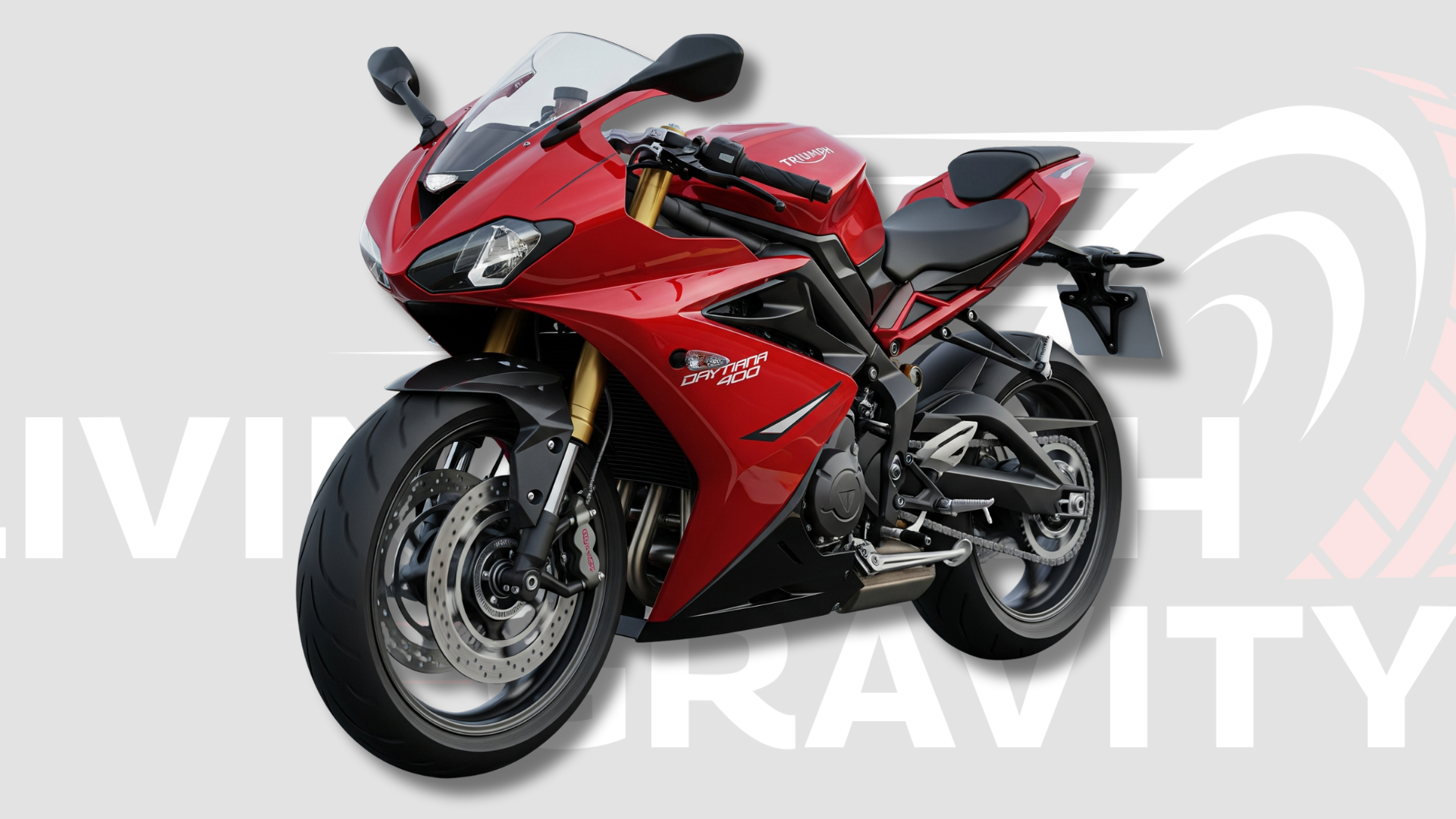
Triumph’s TR-Series: The Next Chapter for the Modern Classic Revolution
Hold onto your helmets, motorcycle enthusiasts, because the buzz around Triumph’s 400cc TR-Series is louder than a custom exhaust at a bike meet. Since the spectacular launch of the Speed 400 and Scrambler 400 X, Triumph has proven that premium engineering can be incredibly accessible. This game-changing lineup, a collaboration with Bajaj Auto, is more than just a couple of bikes; it is a movement that has redefined the entry-level premium motorcycle segment.
So, what is on the horizon for this incredibly successful platform? The whispers in the motorcycle community suggest Triumph is nowhere near finished with its TR-Series. We have already seen the introduction of the retro-styled Thruxton 400, and speculation is rife about an even more diverse expansion.
The Triumph TR-Series: A Triumphant Market Entry
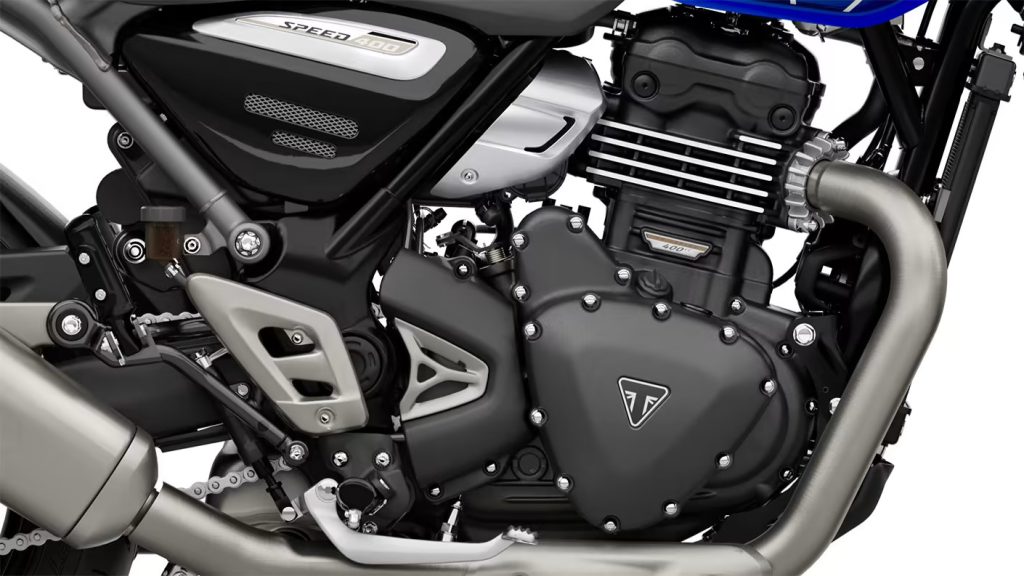
The initial foray into the 400cc market was an absolute masterstroke. Triumph’s meticulous design philosophy, which perfectly blends modern technology with timeless classic aesthetics, immediately captivated riders worldwide. The TR-Series engine, a liquid-cooled 398cc single-cylinder powerhouse, delivers a characterful and responsive performance. It is smooth, it is torquey, and it is a pure delight for both novice and seasoned riders.
- Marketing & Market Analysis: Triumph’s strategy was brilliantly executed. By leveraging its iconic brand heritage and focusing on a value-for-money proposition, it effectively created a new, premium space in a highly competitive segment. The competitive pricing of the Speed 400 and Scrambler 400 X, alongside their class-leading features and generous 10,000-mile service intervals, made them an irresistible choice. They are giving heavyweights like the Royal Enfield Himalayan and KTM 390 Adventure a serious run for their money by offering a distinct blend of British charm and modern reliability.
- Public & Critical Reception: The reviews for the Speed 400 and Scrambler 400 X are overwhelmingly positive. Riders and journalists alike rave about the bikes’ agile handling, premium finish, and high-quality components. Many call the TR-Series the “best value in motorcycling” right now. The feedback on social media platforms is similarly enthusiastic, with owners celebrating the bikes’ road presence and performance.
What’s Next for the TR-Series?
The groundwork has been laid, and the demand for more TR-Series models is palpable. Based on recent developments and industry speculation, here is what we might see roaring out of Hinckley in the near future:
1. The Triumph Bonneville 400: The Classic Icon Arrives
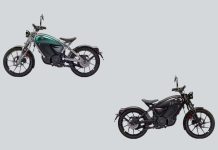
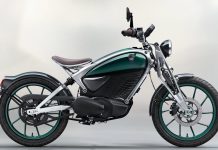
This is the one every classic motorcycle aficionado is waiting for. The Triumph Bonneville is an icon, and a 400cc version would be a colossal addition to the TR-Series. A Bonneville 400 would likely feature a more relaxed, cruiser-style riding position, a single-piece bench seat, and the quintessential Bonneville styling cues. This would be a direct challenge to bikes like the Royal Enfield Classic 350 and Honda CB350, offering a more powerful, technologically advanced, and arguably more authentic British classic experience.
2. The Triumph Tiger 400: A New Adventure Awaits
The adventure motorcycle segment is booming, and a Triumph Adventure bike based on the TR-Series platform is a logical next step. Rumors of a “Tiger 400” are circulating, with concept renders showcasing styling inspired by the larger Tiger Sport 660. This adventure-focused model would feature longer-travel suspension, a larger front wheel, and a more upright riding posture. The addition of an ADV bike would allow Triumph to tap into the thriving adventure touring market, competing directly with the formidable KTM 390 Adventure and Royal Enfield Himalayan 450.
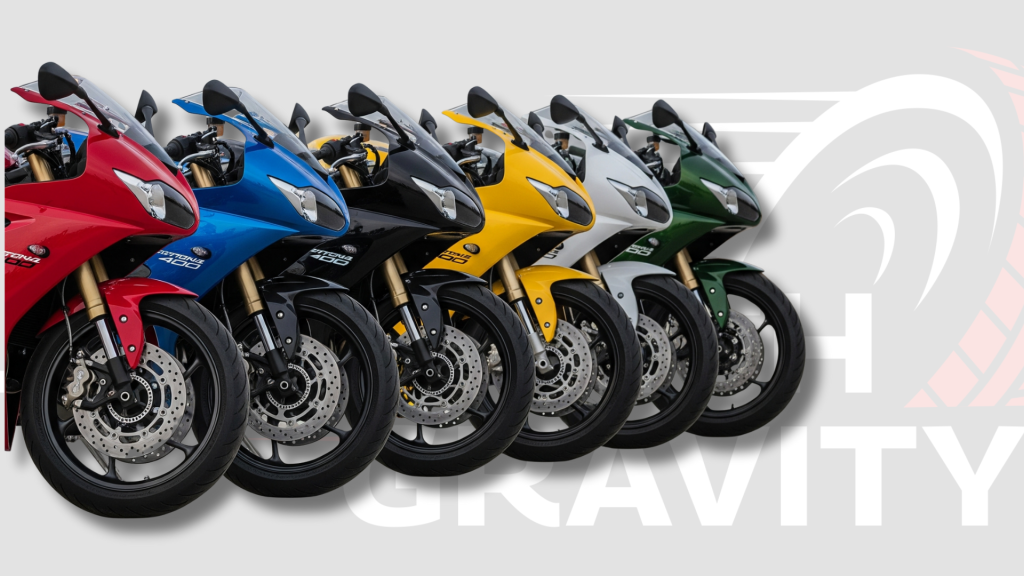
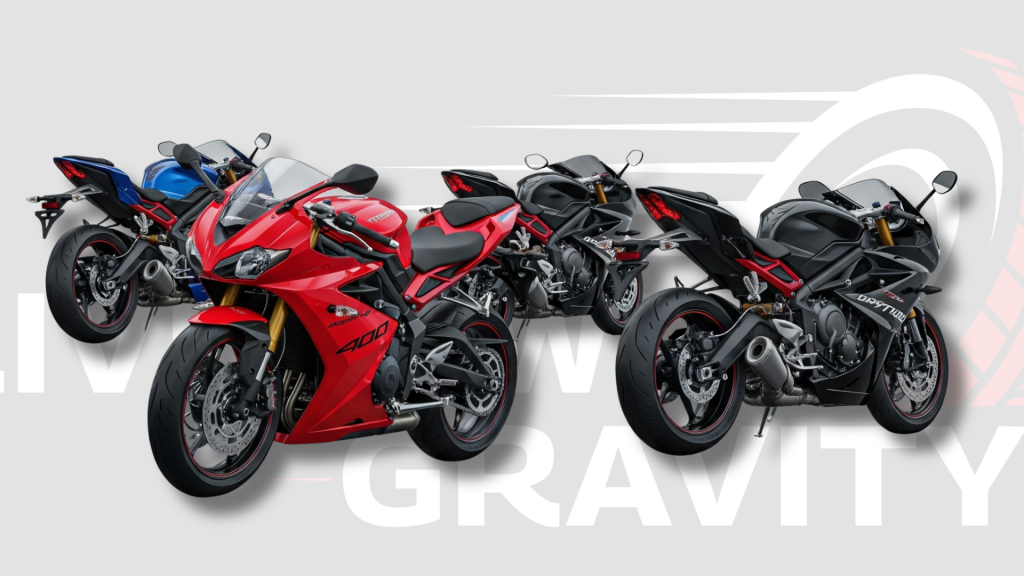
3. The Triumph Daytona 400: Track-Day Thrills
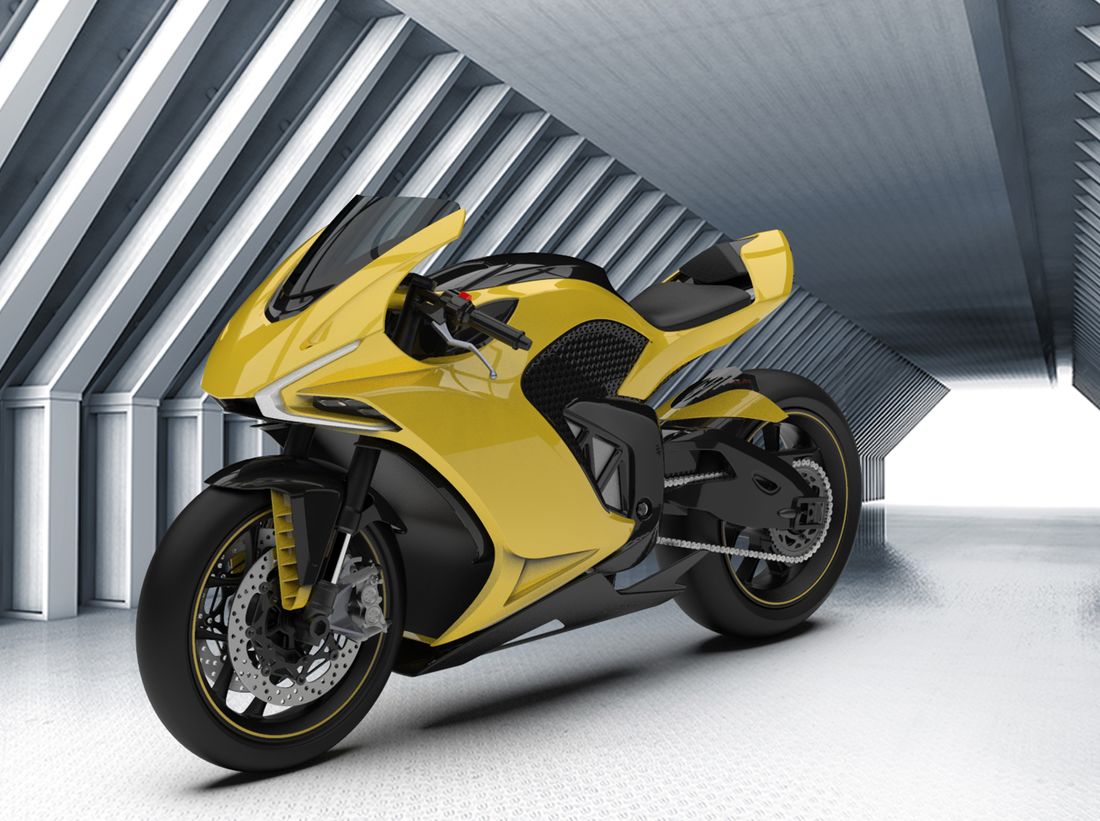
For those with a need for speed, a Daytona 400 could be a game-changer. While less likely than a Bonneville or Tiger, a fully faired sportbike variant would showcase the TR-Series engine’s versatility and performance potential. A Daytona 400 would offer aggressive ergonomics, a track-focused chassis, and a more potent engine tune. This would go head-to-head with the likes of the KTM RC 390 and the TVS Apache RR 310, bringing Triumph’s racing heritage to a wider audience.
Triumph TR-Series Review: A Quick Snapshot
Likes:
- Exceptional Build Quality: The fit and finish are on par with Triumph’s larger, more expensive models.
- Torque-Rich Engine: The TR-Series engine is a gem. It is responsive and has plenty of low-end grunt, making city riding and highway overtakes a breeze.
- Agile Handling: The bikes are lightweight and nimble, inspiring confidence for riders of all skill levels.
- Accessible Pricing: The value proposition is off the charts. You get a premium British motorcycle experience without the premium price tag.
- Community: Triumph has successfully built a vibrant community around the TR-Series, with regular owner meetups and rides, fostering a sense of belonging.
Dislikes:
- Vibrations: Some riders report minor vibrations at higher revs.
- Firm Suspension: A few reviews mention a slightly firm ride, especially on the sportier Speed 400.
- Braking Feel: While adequate, the brakes could use a bit more initial bite and progression.
Conclusion
Triumph’s TR-Series is a testament to the brand’s ability to innovate and expand its global footprint. The initial success of the Speed 400 and Scrambler 400 X proves that there is a massive appetite for premium, accessible, and high-quality motorcycles. The rumored expansion of the TR-Series with models like the Bonneville 400, Tiger 400, and possibly even a Daytona 400, would not only solidify Triumph’s dominance in this segment but also usher in a new era for modern classic motorcycling. The future is bright, and it sounds like a very exciting symphony of single-cylinder engines.
Sources:
- Triumph Motorcycles Official Website:
- Motorcycle News & Reviews:
- Indian Motorcycle Market Analysis & News:
- Owner Reviews & Community Forums:
Our Social Media Handles
- Instagram : LivingWithGravity
- Medium : Akash Dolas
- YouTube Channel : Gear and Shutter