






A Peek into the Future: Michele Pirro Tests a Revolutionary Ducati Front End
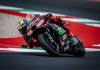
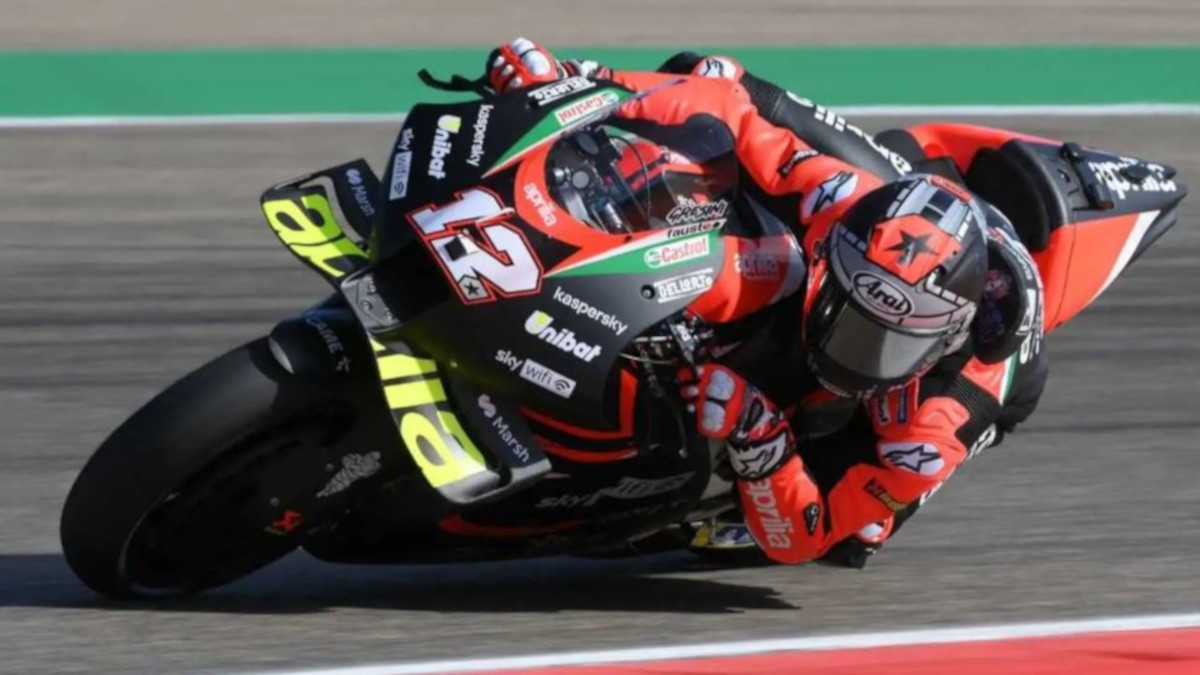
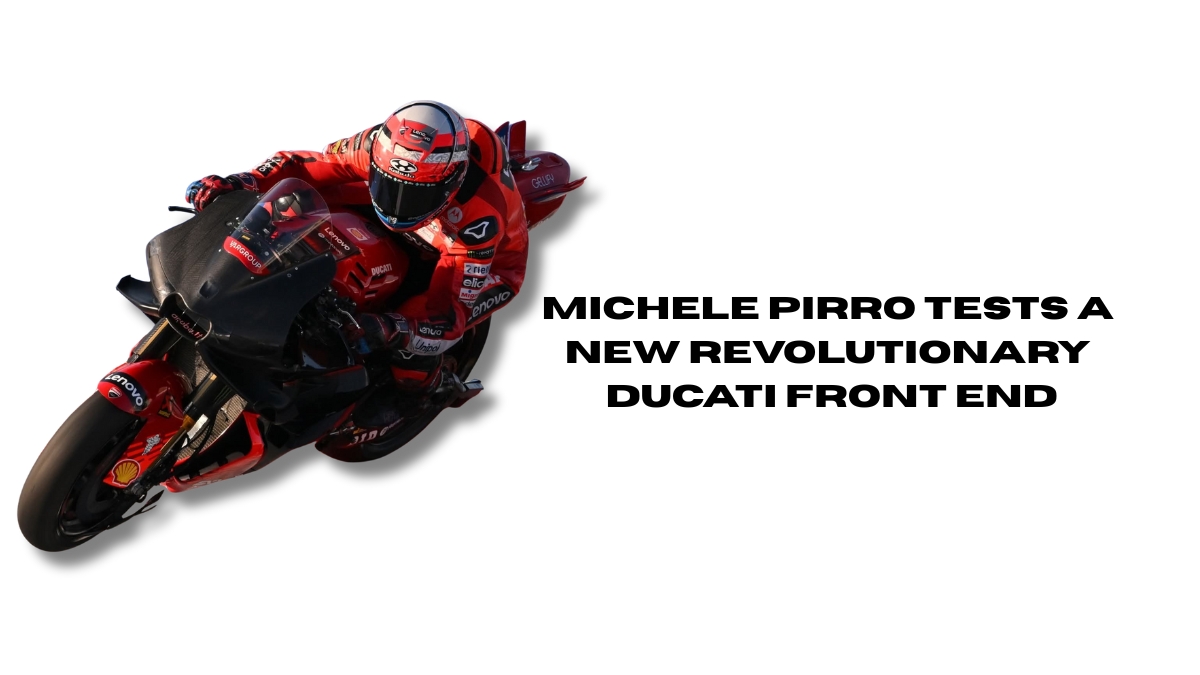
Ducati Corse, the racing arm of the legendary Italian manufacturer, operates in a constant state of evolution. While the world watches their factory riders dominate MotoGP races, the real magic happens behind the scenes, far from the cameras, with the unsung hero of Borgo Panigale: Michele Pirro. The veteran test rider, a living repository of Ducati development, was recently spotted at a private test with a truly groundbreaking modification to the Desmosedici GP—a front end concept unlike anything the paddock has ever witnessed.
The Ducati R&D Machine in Full Throttle
This new front-end innovation, a significant departure from the conventional telescopic fork, represents a daring step forward in motorcycle engineering. It appears Ducati is tackling a central issue that has plagued even their dominant GP machines: front-end feel. As riders like Jorge Martin have publicly lauded the front-end confidence of rival bikes like the Aprilia, Ducati’s engineering genius, Gigi Dall’Igna, has taken note. The new concept, still shrouded in a layer of secrecy, aims to provide riders with enhanced feedback and a more predictable response under extreme braking and cornering loads.
The visual cues hint at a radical rethinking of the fork’s role. It features a completely different aerodynamic fairing, with a more pronounced, almost shovel-like shape. This design appears intended to manage airflow around the front wheel and forks with greater precision, potentially using downforce to enhance stability and grip. The bike’s front wheel aero, a feature becoming increasingly crucial in MotoGP, shows a significant evolution.
Market Analysis and the Competitive Landscape
Ducati’s focus on the front end reveals a keen understanding of the MotoGP market and its technical demands. While they lead the pack in overall performance, there is always room for improvement. Competitors, especially Aprilia, have been praised for their chassis’s communicative nature. Yamaha and Honda, though currently struggling, continue to invest heavily in their own R&D, with Yamaha, for instance, testing a new prototype with a strong emphasis on front grip and turning performance.
The universal adoption of the telescopic fork, a design that has dominated for decades, proves its inherent strengths. However, as documented in research and academic analyses, it also has limitations, particularly when it comes to separating braking forces from suspension action. This is where alternative suspension concepts, like the Hossack or girder setups, offer potential benefits. Ducati’s new design may incorporate elements of these alternative technologies, marrying the best of both worlds with their masterful understanding of electronics and aerodynamics.
Rider Feedback and the Quest for Perfection
For a rider, the front-end sensation is everything. It’s the primary channel of communication with the track. The rider’s feelings on the bike are paramount, as engineers sitting in the garage rely on that input to make adjustments. Pirro’s role as the development rider is crucial; he translates the subtle, minute details of the bike’s behavior into data that the engineers can interpret and act upon. His recent test laps indicate a commitment to a completely new direction, suggesting the team is working toward a solution for the 2026 machine that will give their riders an unparalleled advantage.
What Pirro and the Ducati engineers are trying to perfect goes beyond simple speed. It is about creating a motorcycle that communicates with the rider in a way that inspires complete confidence, allowing them to push to the absolute limit. A bike with a great front end encourages late braking and aggressive corner entry—hallmarks of a winning machine.
An Un-Ducati-like Approach?
While Ducati is renowned for its V4 engines and innovative electronics, the new front-end concept marks a fascinating new chapter. The firm’s past patents reveal a history of exploring unconventional ideas, from frameless designs to intricate suspension linkages. This new project is a testament to that legacy, a commitment to pushing the boundaries of motorcycle performance. It demonstrates that a dominant team never rests on its laurels.
In the fast-paced world of MotoGP, where milliseconds separate victory from defeat, a game-changing innovation like this could solidify Ducati’s place at the pinnacle of motorsport for years to come. The message is clear: when it comes to winning, Ducati will leave no stone unturned, or in this case, no component unchallenged.
Sources
- MotoGP Live Text and Social Media Updates: The news of the test and visual evidence of the new front end were initially circulated through official MotoGP channels and social media updates from teams. The official live text from the Misano test provides a timeline of the day’s events. (Example source:
https://www.motogp.com/en/news/2025/09/15/live-text-updates-from-the-misano-test/759073) - MotoGP/Racing News Outlets: Respected motorsport publications and news sites often report on testing and provide analysis. (Example source:
https://www.motorsport.com/motogp/news/pedro-acosta-tops-final-in-season-motogp-test-at-misano/10759748/) - Engineering and Patent Analysis Sites: For in-depth technical understanding, sites that track patents and conduct engineering analysis on race technology are valuable. (Example source:
https://patents.justia.com/assignee/ducati-motor-holding-s-p-a) - Rider and Team Interviews: Statements from riders and team principals, like Gigi Dall’Igna, give direct insight into the team’s objectives and challenges. (Example source:
https://www.cycleworld.com/sport-rider/motogp-michele-pirro-an-integral-part-ducatis-motogp-effort/)
Our Social Media Handles
- Instagram : LivingWithGravity
- Medium : Akash Dolas
- YouTube Channel : Gear and Shutter
- Facebook : LivingWithGravity