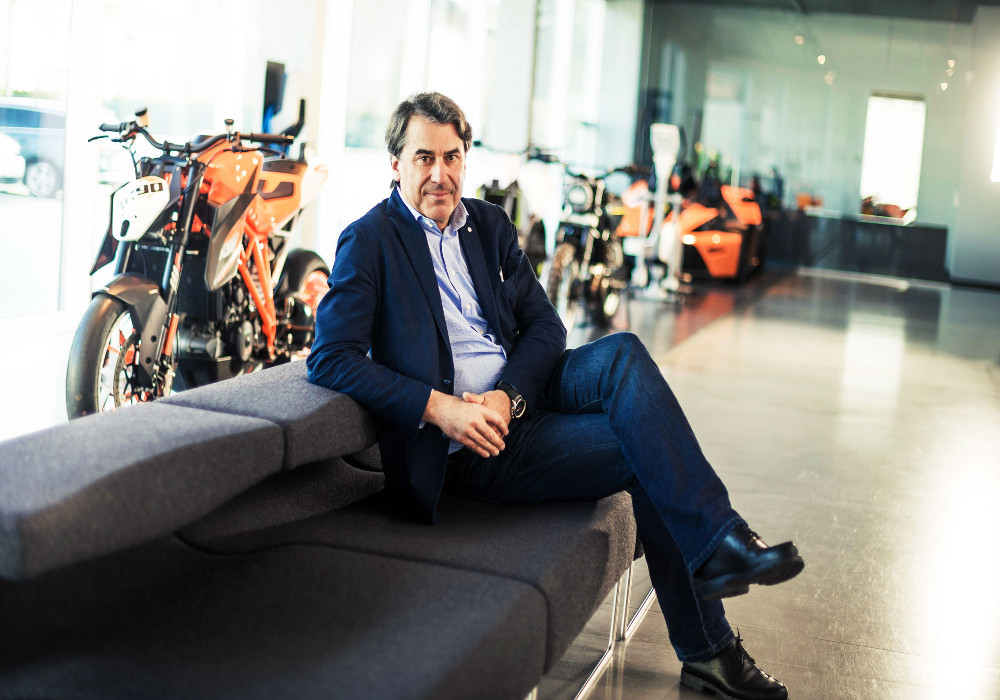
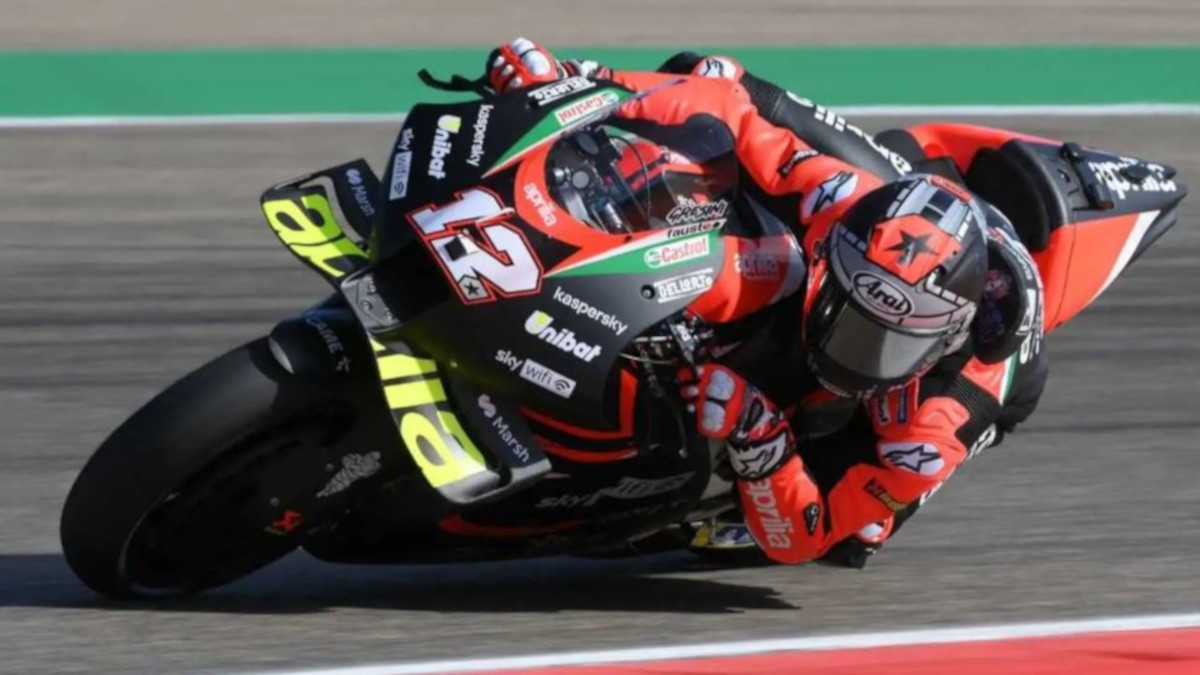












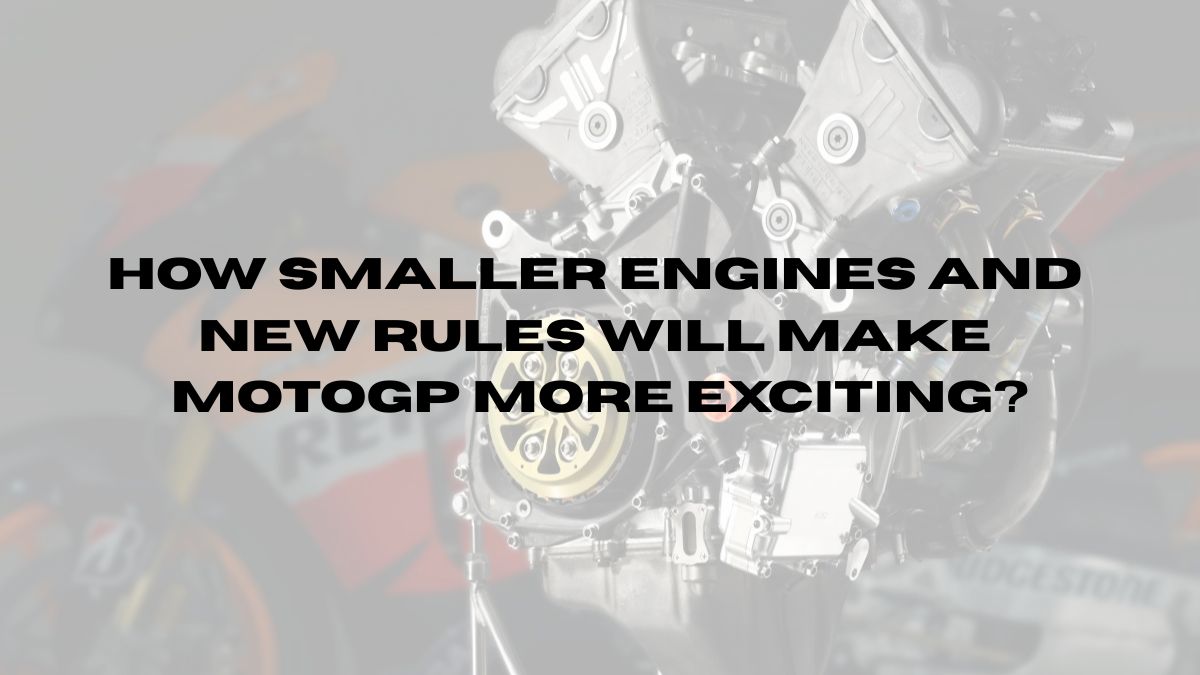
Aprilia engineer Marco De Luca’s assessment of the 2027 MotoGP regulations as a “cost suicide” is a stark and honest view from the front lines of high-stakes engineering. While the immediate financial burden is undeniable, a deeper analysis reveals a calculated risk with a potentially massive payoff for the sport as a whole. This is not just about a smaller engine; it’s a complete overhaul designed to reset the competitive landscape, re-engage fans, and secure a sustainable future for the world’s premier motorcycle racing series.
The Research: Unpacking the “Suicide”
De Luca’s concerns are rooted in the technical realities of a complete rebuild. The shift from 1000cc to 850cc engines is not a simple swap. As he states, a smaller, lighter engine with a different configuration necessitates a complete redesign of the bike’s chassis, exhaust, cooling system, and air intake. This “from scratch” approach is a monumental undertaking for manufacturers, involving:
- R&D Costs: The development of a new engine and a new chassis from the ground up requires a massive investment in research, design, and testing. This is particularly challenging for a smaller manufacturer like Aprilia, which has fewer resources than giants like Ducati or Honda.
- Testing and Homologation: Even with on-track testing restricted until 2026, the dyno and component testing will be extensive. The new regulations will also involve new homologation processes, adding to the development timeline and costs.
- The Domino Effect: The engine change is the centerpiece, but it triggers a cascade of other required changes. The new, smaller engine will affect the bike’s weight balance, which in turn influences suspension setup and handling. The ban on ride-height devices and a reduction in aerodynamics also means teams can’t simply rely on old tricks. They must find new ways to generate grip and stability, requiring more testing and innovation.
Marketing Analysis: The ROI on Revolution
While the financial outlay is high, the marketing potential for MotoGP is even greater. The 2027 rules are a direct response to some of the sport’s most pressing issues, and their implementation is a powerful marketing tool:
- Safety First: The reduction in engine size is primarily a safety initiative. The current 1000cc bikes, with their advanced electronics and aerodynamics, are reaching speeds that are testing the limits of many historic circuits. By making the bikes slower, MotoGP can market itself as a more responsible and safer sport, a compelling message for both fans and potential new manufacturers.
- Closer Racing: The stripping back of aerodynamics and the ban on ride-height devices are aimed at promoting more overtaking and putting the focus back on rider skill. This addresses a common complaint from fans who feel that “dirty air” and electronic aids have made racing less dynamic. The promise of “even closer racing” is a powerful message for attracting and retaining a global audience.
- Sustainability: The move to 100% sustainable fuels by 2027 aligns MotoGP with a global push for environmental responsibility. This is a crucial marketing point for attracting new, eco-conscious sponsors and a younger, more socially aware fan base. It positions MotoGP not just as a thrilling sport, but as a forward-thinking one.
Competitor Analysis: A Level Playing Field?
The new rules are designed to level the playing field, a move that is both a blessing and a curse for different manufacturers:
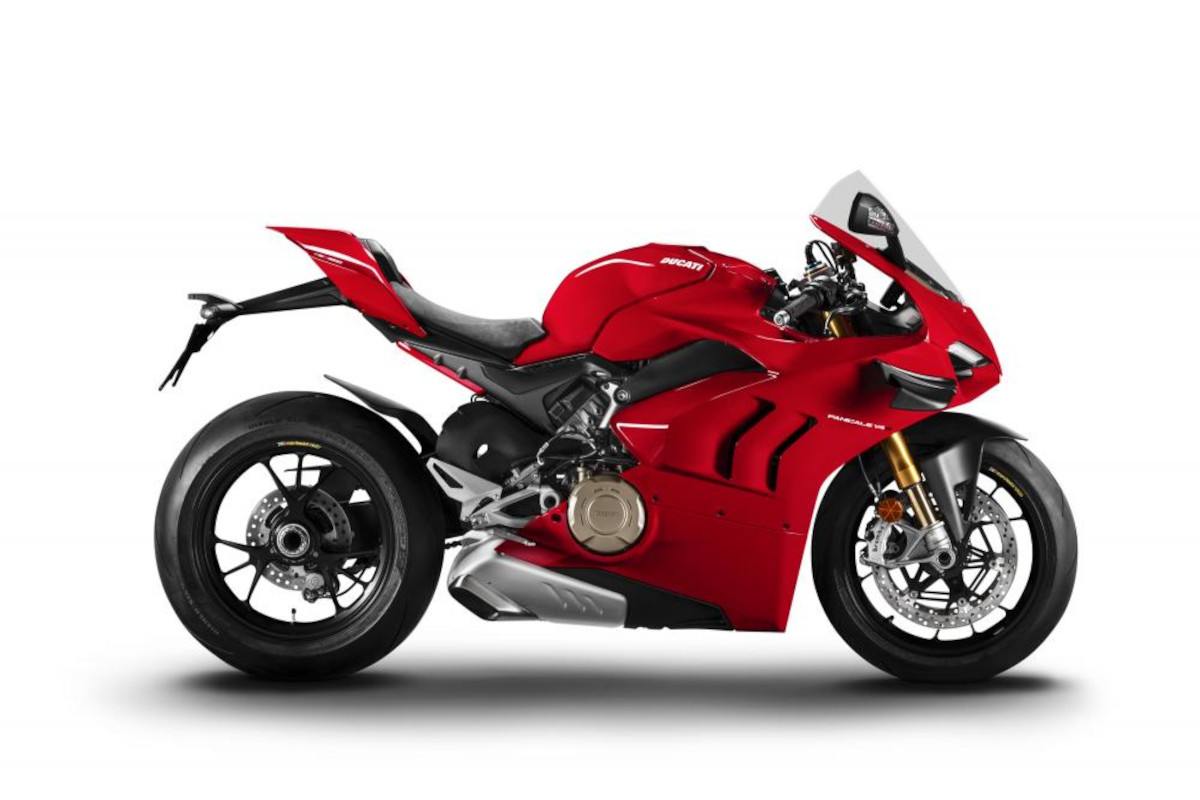
- Ducati’s Challenge: Ducati has dominated the current era with its V4 engine and a sophisticated understanding of aerodynamics and ride-height devices. The new rules, which directly target these areas, could be seen as an attempt to rein in their dominance. While their engineering prowess is undeniable, they will have to adapt quickly and re-invent a winning formula from scratch.
- Honda and Yamaha’s Opportunity: These Japanese giants have been struggling in the current era. The “engine freeze” for other manufacturers until 2026, while they are allowed to continue development, gives them a head start in preparing for the new regulations. This could be their chance to close the gap and return to the front.
- Aprilia and KTM’s gamble: For manufacturers like Aprilia and KTM, who have been competitive but not dominant, the rule change is a major gamble. They must invest heavily in new technology, but if they get it right, they have a chance to leapfrog their rivals. The new concession system, where all manufacturers will start at “Rank B” in 2027, also provides a fairer starting line for everyone.
Review, Likes, and Dislikes
Based on the proposed changes, here is a summary of the likely fan and expert reception:
Likes:
- More Overtaking: The reduction in aero and ban on devices is widely seen as a positive step for improving the on-track spectacle.
- Rider Skill on Display: Without electronic aids, a rider’s talent and physical prowess will become even more critical for success.
- New Narrative: The complete technical reset creates an exciting new narrative. The question of “who will get it right” and “who will be the first to master the new bikes” will be a major talking point.
Dislikes:
- Initial Cost: As De Luca points out, the immense cost is a significant downside, particularly for smaller teams.
- Potential for Parity Problems: While the goal is to level the playing field, there’s a risk that one manufacturer could still find a loophole or a technological edge, leading to another era of dominance.
- Fear of a Repeat of the 800cc Era: The 2007-2012 800cc era was criticized for boring racing and a high number of dangerous high-sides. The new rules aim to avoid this with a more thoughtful bore reduction and other restrictions, but the fear remains.
In conclusion, Marco De Luca’s “cost suicide” is not an exaggeration; it is a brutal reality for a factory team. But in the high-stakes world of MotoGP, where millions are spent to gain a fraction of a second, the 2027 regulations are a necessary, albeit painful, investment in the future of the sport. The payoff is not just a slightly faster bike; it’s a safer, more sustainable, and more compelling product that could re-energize the entire championship for years to come.
Aprilia engineer Marco De Luca’s “cost suicide” quote and other comments: https://www.crash.net/motogp/news/1081972/1/2027-motogp-engine-development-cost-suicide-claims-one-engineer
General overview of 2027 MotoGP rules and their aims: https://www.silverstone.co.uk/news/motogps-radical-2027-rules-and-regulations-explained
Detailed technical breakdown of the new rules: https://www.crash.net/motogp/news/1048005/1/motogp-confirms-2027-regulations-here-they-are
Marketing and business opportunities of the 2027 rules: https://rtrsports.com/en/blog/rules-motogp-2027/
Aprilia’s and other manufacturers’ stance on the new rules: https://www.the-race.com/motogp/motogp-2027-new-rules-bike-aprilia-rivola/
Our Social Media Handles
- Instagram : LivingWithGravity
- Medium : Akash Dolas
- YouTube Channel : Gear and Shutter
- Facebook : LivingWithGravity
Our Social Media Handles
- Instagram : LivingWithGravity
- Medium : Akash Dolas
- YouTube Channel : Gear and Shutter
- Facebook : LivingWithGravity