





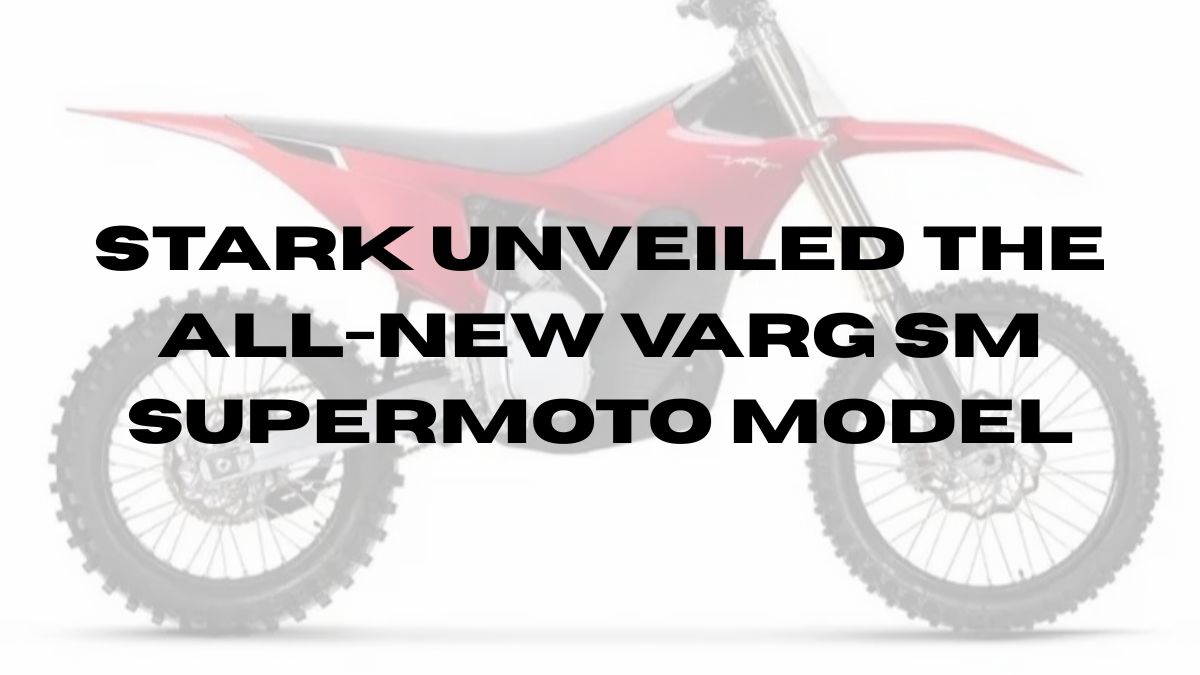
The Stark VARG SM: A Technical and Competitive Analysis of High-Performance Supermoto Electrification
I. Executive Summary: Disrupting the High-Performance Supermoto Segment
The introduction of the Stark VARG SM marks a pivotal moment in the evolution of the supermoto category, establishing a new benchmark for performance density through electrification. Built upon the success of the VARG MX/EX platforms, the SM variant leverages electric propulsion to achieve a power-to-weight ratio that fundamentally surpasses current internal combustion engine (ICE) production rivals.1 The Alpha configuration, delivering 80 horsepower (hp) at a claimed wet weight of 124.5 kg (274.5 lbs) 1, achieves an industry-leading ratio of 0.291 HP/lb. This dynamic dominance is amplified by a staggering 914 Nm (674 lb-ft) of torque delivered instantly to the rear wheel.1
Stark’s product strategy is highly specialized, prioritizing acceleration and handling dynamics over general utility. The 7.2 kWh battery, while contributing to the lightweight structure, results in a restrictive claimed range of 81 km (50.3 miles).3 This limitation makes the motorcycle optimally suited for specialized use cases, such as track days, technical kart circuits, and focused urban commuting.3 Crucially, the most significant technical and regulatory liability identified is the complete omission of an Anti-lock Braking System (ABS) 5, a critical safety feature for a road-legal vehicle capable of delivering such instantaneous and extreme power.
The market positioning is aggressively strategic. With pricing starting at $12,900 for the Standard (60 hp) variant and $13,900 for the Alpha (80 hp) variant 1, Stark has positioned the VARG SM directly against high-performance ICE competitors, effectively neutralizing the common “EV premium” barrier.3 This pricing strategy suggests a mature, cost-optimized manufacturing framework, enabling the company to challenge established market leaders by targeting the performance enthusiast niche willing to accept range limitations in exchange for category-defining dynamics.

II. Strategic Context, Product Evolution, and Design Philosophy
II.A. Leveraging Motocross Platform (VARG MX/EX DNA)
The VARG SM is not a greenfield design but a calculated evolution of Stark’s competition-proven motocross architecture. It utilizes the core powertrain components, including the 360V Permanent Magnet AC (PMAC) motor and the 7.2 kWh energy storage system, successfully validated in the demanding environments of motocross and enduro riding.2 This approach significantly accelerated product development. By leveraging the existing, optimized component base, Stark achieved a streamlined Research and Development (R&D) process, which directly lowered the cost basis for the street-legal EV motorcycle platform. This cost efficiency is a structural advantage over ICE competitors, allowing Stark to enter the market with pricing parity while offering superior performance metrics.
Adhering to its zero-emission commitment, the VARG SM is built to strict European environmental standards, emphasizing sustainability through the use of sustainable materials and processes.6 This zero-emission nature contrasts sharply with the high-revving single-cylinder ICE engines that characterize the traditional supermoto segment.
II.B. Supermoto-Specific Engineering and Component Synergy
The VARG SM is defined as a purpose-built Supermoto, receiving fundamental design refinements to convert dirt DNA into asphalt-optimized performance.2 These refinements extend beyond simply adding street-legal components.
The chassis received comprehensive modification, including tighter geometry for agile handling, newly developed machined triple clamps designed to enhance steering precision and front-end feedback, and updated suspension calibration suited for road and kart track use.2 The structural foundation combines a high-strength tubular steel frame with a forged aluminum subframe.2 This dedicated Supermoto design ensures optimal geometry, avoiding the compromises inherent in converting a dirt bike platform (such as potential issues with clearance or component stress often seen in aftermarket conversions).8
To achieve street legality and functional excellence, Stark integrated several specialized features. Visibility is addressed by a potent 4,000-lumen headlamp, which Stark claims is three times brighter than any competitor’s unit.5 Indicators are patent-pending flexible units crafted from durable optical silicone for superior longevity, mitigating the risk of breakage during aggressive riding or low-speed falls.1 Finally, a reinforced, integrated license-plate holder combines robust protection with a minimalist design.1
III. Powertrain Architecture and Dynamic Performance Analysis
III.A. Electric Propulsion System Specifications and Configuration
The VARG SM is driven by a 360V Electric PMAC motor.3 The powertrain is offered in two output profiles: the Standard configuration, delivering 60 hp, and the Alpha configuration, delivering a peak of 80 hp.1 However, the system offers an unprecedented level of control, allowing riders to customize power output across a wide spectrum from 10 hp to 80 hp.7 Power is delivered through a high-efficiency 1 Speed single-gear ratio drivetrain 4, which maximizes efficiency and eliminates the mechanical delays associated with gear shifting.
III.B. The Force Multiplier: 914 Nm Rear Wheel Torque
The defining performance characteristic of the VARG SM is its torque output. Stark claims the system delivers an astonishing 914 Nm (674 lb-ft) of instantaneous torque at the rear wheel.1 This figure is a critical differentiator; it fundamentally exceeds the maximum engine torque of traditional high-revving ICE supermoto singles by a factor of 10 or more.9
This massive, instantaneous torque delivery is characterized as instant, predictable, and endlessly controllable.1 Furthermore, riders can personalize key dynamic parameters, including power delivery mapping, engine braking, and energy regeneration levels.1 The ability to tune regeneration functions as an electronic chassis dynamics controller, allowing expert riders to modulate rear-wheel deceleration precisely off-throttle. This level of dynamic customization allows the rider to strategically pre-load the chassis for stability during corner entry, providing a functional handling layer unavailable on traditional ICE platforms.
III.C. Performance Benchmarking and Power Density
The VARG SM sets itself apart through mass minimization. With a claimed wet weight of just 124.5 kg (274.5 lbs) 1, the Alpha variant achieves a power-to-weight ratio of 0.291 HP/lb, making it the highest of any production Supermoto in the world.1
This dominance over ICE competitors is clearly demonstrated when analyzing performance density:
Performance Density Comparison: Stark VARG SM vs. High-Performance ICE Rivals
| Model | Drivetrain | Claimed Max Power (HP) | Claimed Wet Weight (Lbs) | Power-to-Weight Ratio (HP/lb) | Starting MSRP (USD) |
| Stark VARG SM (Alpha) | Electric PMAC | 80 | 274.5 | 0.291 | $13,900 1 |
| KTM 690 SMC R | Single-Cylinder ICE (693cc) | 74 | 326 | 0.227 | ~$12,999 10 |
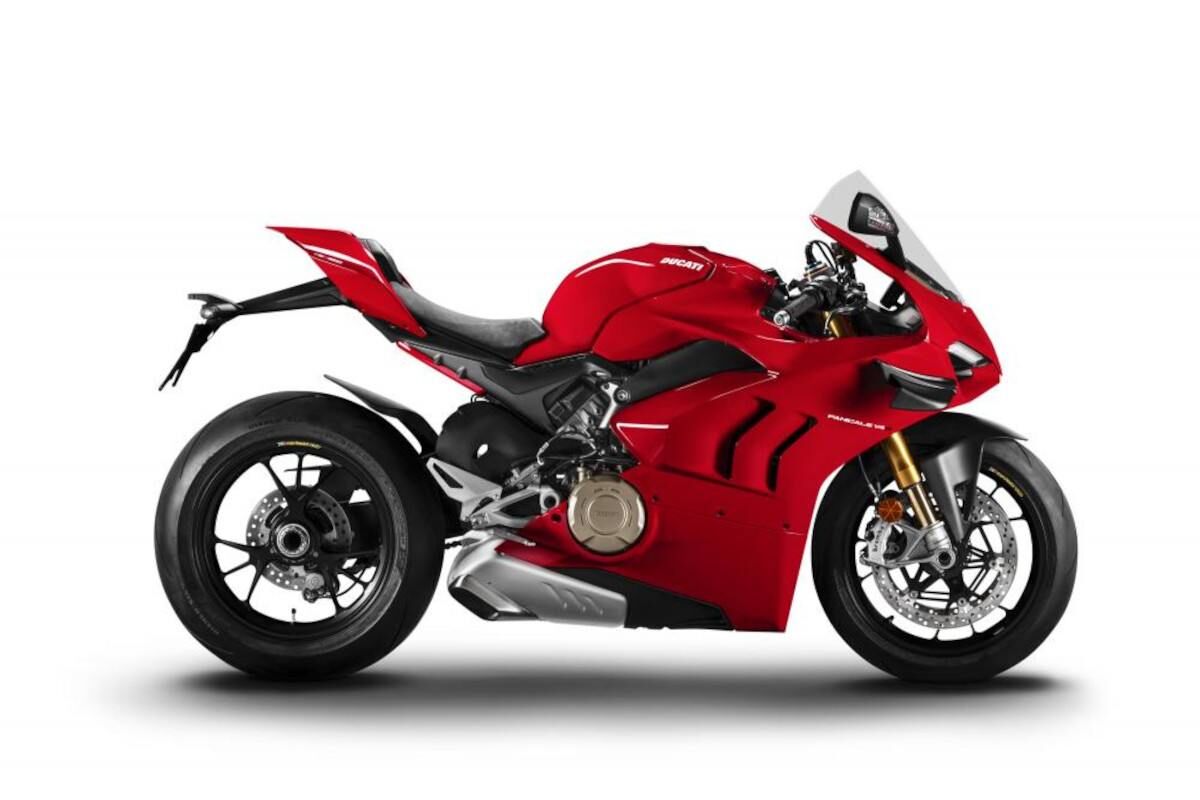
| Ducati Hypermotard 698 Mono | Single-Cylinder ICE (659cc) | 75 | 351 | 0.214 | ~$12,995 10 |
Delivering 80 hp from a package weighing only 124.5 kg requires exceptional thermal management. The battery’s specialized “Honeycomb magnesium” structure 4 indicates a sophisticated cooling strategy, likely integrated to efficiently dissipate heat generated by the high discharge rates necessary to sustain 80 hp from the 7.2 kWh pack. The ultimate test of the VARG SM’s performance metrics will be the duration for which 80 hp can be continuously sustained on a track before the system initiates thermal throttling. If Stark has successfully engineered high-performance thermal stability, their dynamic dominance is indisputable.
IV. Energy Storage System and Operational Range Parameters
IV.A. Battery Architecture and Design Philosophy
The energy storage system is built around a 7.2 kWh battery pack.3 The battery construction, utilizing a honeycomb magnesium structure 4, is indicative of Stark’s dual focus on maximizing both power density and thermal performance within strict mass constraints. The use of premium, lightweight materials like magnesium is a costly engineering decision required to manage the thermal stress associated with drawing high continuous power from a compact energy source.
IV.B. Critical Range Assessment and Market Segmentation
The most significant constraint on the VARG SM’s versatility is its claimed range of 50.3 miles (81 km).3 This limitation is not a failure of technology but a conscious sacrifice of energy storage mass made to achieve the category-leading 274.5 lb weight target.1 Delivering high power necessitates a high current draw, which generates significant heat; the short range is the consequence of minimizing mass.
Stark mitigates the perception of limited range by explicitly targeting the track-day and kart-circuit enthusiast audience, for whom range limitations are “of little concern” because they frequently recharge between sessions.3 Furthermore, the system is designed for rapid recovery, claiming a charging time of just 1–2 hours when using a 240V outlet 4, essential for quick turnarounds during competitive events. However, this restricted range profile creates a substantial utility gap. It significantly limits the VARG SM’s viability for medium-to-long commutes or recreational touring, functions where ICE supermotos traditionally excel.10 The consequence of this specialized design is that the VARG SM’s market appeal must remain narrowly focused on pure performance, restricting its potential to displace ICE motorcycles in segments prioritizing utility.

V. Chassis Engineering, Handling Dynamics, and Suspension Customization
V.A. Frame and Geometry Refinement
The VARG SM chassis utilizes a tubular steel frame paired with a forged aluminum subframe.2 To transition from dirt performance to asphalt precision, Stark implemented specific Supermoto geometry and integrated newly developed machined triple clamps.2 This precise front-end engineering is intended to maximize steering precision and feedback, a crucial element for riders executing sharp turns and dive-bombing apexes in track or urban environments.
V.B. Custom KYB Suspension Specification
The motorcycle is equipped with custom, fully adjustable KYB suspension components.2 The front features a 48mm fork offering 290mm of travel, while the rear shock provides 303mm of travel.2 Stark offers a degree of factory tailoring, allowing customers to select soft, medium, or hard suspension setups at the point of ordering.3
V.C. Damping Calibration Critique
While the selection of premium KYB hardware suggests high performance, independent expert review of the original equipment manufacturer (OEM) valving calibration indicates a lack of final, race-ready optimization. Analysis of the factory setup suggests an excess of low-speed compression damping combined with insufficient high-speed compression damping.11 This specific calibration profile makes the fork feel harsh and less plush, compromising comfort and limiting the suspension’s ability to properly absorb large, high-velocity inputs.11 For serious performance riders, this implies the necessity of immediate post-purchase suspension revalving (e.g., implementing a customized motocross or supermoto specification), incurring additional costs and downtime. This technical imperfection suggests a slight operational gap between premium component sourcing and final race-level setup validation.
VI. Intelligent Features and Street Legality Compliance
VI.A. User-Focused Innovations
The VARG SM integrates several rider-focused electronic innovations. The customizable ride modes allow riders to instantaneously adjust power delivery and response characteristics.1 A unique functional feature is Crawl Mode, which enables controlled reversing in tight spaces 1—a significant ergonomic benefit for high-performance electric motorcycles with no conventional transmission. The inclusion of digital security layers 1 enhances theft deterrence, protecting a high-value asset.
VI.B. Braking System Dualism and ABS Omission
The braking system utilizes high-performance Brembo radial calipers.2 In meeting diverse regulatory and ergonomic demands, Stark implements a strategic compromise regarding the rear brake control. For the US market, the vehicle is required to be sold with a DOT-mandated foot-operated rear brake as standard.5 However, recognizing the preference of specialized Supermoto riders for enhanced control, Stark includes the hand-lever rear brake option with delivery.5 This hand-lever setup allows for progressive performance and facilitates the feet-out braking style preferred in technical supermoto cornering, offering greater modulation potential.5 By supplying the non-compliant, performance-oriented handbrake and Euro-spec indicators in the crate, Stark strategically minimizes its legal risk while maximizing its appeal to the core enthusiast base that will immediately swap to the performance setup.
A critical safety assessment highlights a profound deficiency: the VARG SM explicitly lacks an Anti-lock Braking System (ABS).5 Compounding this issue, the front brake feel is described by riders as having an “on/off sensation,” which, when combined with the 80 hp output and instant torque, is deemed “unnerving” without ABS intervention.5 The complete omission of ABS on a road-legal vehicle capable of such overwhelming acceleration constitutes a major safety liability, potentially limiting sales acceptance by global regulatory bodies and liability-conscious consumers.

VII. Competitive Benchmarking and Pricing Strategy
VII.A. Comparative Performance Metrics
The VARG SM is positioned in direct competition with elite ICE supermoto machines, specifically citing the KTM 690 SMC R and the Ducati Hypermotard 698 Mono.3 Analyzing the performance metrics reveals the extent of Stark’s disruption.
The high-revving single-cylinder ICE rivals peak at 74 hp (KTM) and 75 hp (Ducati), but their heavier weights (326 lbs and 351 lbs, respectively) result in significantly lower power-to-weight ratios compared to the Stark Alpha’s 0.291 HP/lb.10 The VARG SM establishes a fundamental physical advantage in power density that the current generation of ICE singles cannot replicate without adding complexity, weight, and cost. Furthermore, the 914 Nm of instant electric torque vastly outperforms the maximum engine torque figures of the ICE rivals (which range from 46 to 52 lb-ft).1
The competitive response from ICE manufacturers will not be able to match Stark on dynamics alone. Therefore, their strategy must focus on utility, range, fuel station ubiquity, and advanced safety electronics, such as sophisticated cornering ABS and traction control, areas where established ICE platforms currently hold an advantage.10
VII.B. Pricing and Total Cost of Ownership (TCO) Analysis
Stark’s pricing strategy is highly aggressive and key to its market disruption. The Standard variant is priced at $12,900, while the Alpha variant is $13,900.1 This price point is intentionally aligned with the MSRPs of the KTM and Ducati rivals.3 By achieving price parity, Stark addresses the financial hurdle historically associated with high-performance EV motorcycles, leveraging its cost-optimized platform architecture.
Beyond the initial purchase price, the Total Cost of Ownership (TCO) calculation heavily favors the VARG SM. The electric propulsion system eliminates fuel costs and dramatically reduces maintenance requirements, specifically removing the need for oil changes, valve clearance adjustments, and clutch component replacements.7 This combination of price parity and lower operational costs makes the VARG SM a genuinely disruptive market force.

VIII. Conclusion and Strategic Market Outlook
VIII.A. Summary of Disruption Potential and Technical Achievements
The Stark VARG SM represents an engineering triumph in performance electrification. It successfully transitions the proven durability and power of the VARG MX platform into a purpose-built, road-legal Supermoto. Key technical achievements include establishing the highest power-to-weight ratio in the production Supermoto segment (0.291 HP/lb) 1, delivering instantaneous and immense torque (914 Nm) 4, and achieving cost-competitive pricing relative to high-end ICE rivals.3 The integration of intelligent features, such as Crawl Mode and highly customizable power mapping, further enhances its specialized function.
VIII.B. Key Strategic Vulnerabilities
The high-performance specialization of the VARG SM carries two critical strategic vulnerabilities:
- Safety Deficit: The complete absence of ABS 5 is a critical technical debt. On a machine with such immediate and violent power delivery and an “unnerving” front brake feel 5, the lack of an electronic safety net presents a severe liability risk and a major impediment to acceptance in markets with stringent safety regulations.
- Range Specialization: The 50.3-mile range 3 fundamentally restricts the motorcycle to performance track days or short-burst urban environments, preventing it from seriously challenging ICE rivals in the utilitarian or recreational touring segments.
VIII.C. Recommendations for Future Product Iteration (CTO Perspective)
Based on the technical and competitive analysis, the following actions are recommended for future product iterations to broaden market appeal and neutralize competitive weaknesses:
- Mandate ABS Integration: Immediate investment must be channeled into developing and integrating a lightweight, high-performance, road-legal ABS system. This feature is non-negotiable for competitive parity and necessary for addressing the safety gap presented by the motorcycle’s extreme dynamics.
- Introduce Utility Tier Battery Option: To mitigate range anxiety and expand the total addressable market beyond pure track riders, Stark should offer an optional, slightly larger energy storage pack (e.g., 10 kWh). This would offer a substantial increase in real-world range, sacrificing minimal mass while significantly improving functional utility for commuters and weekend riders.
- Correct OEM Suspension Calibration: The factory must implement immediate revalving corrections to the custom KYB suspension to eliminate the deficiencies in damping (excess low-speed compression, insufficient high-speed compression).11 The suspension should be track-ready out of the crate to align with the expectations of elite-tier buyers.
VIII.D. Long-Term Market Forecasting
The Stark VARG SM successfully demonstrates that high-performance electric motorcycles can achieve price parity with the top tier of ICE competition while offering fundamentally superior performance dynamics. The VARG SM, scheduled for 2026 delivery 13, is positioned to initiate a high-stakes, direct confrontation in the specialized supermoto market. Its long-term market success will be determined not solely by its superior acceleration but by its capacity to integrate essential safety features and address the prevailing consumer concerns regarding range and utility.
Sources
- Stark Announces Varg SM Supermoto | Motorcycle.com, accessed on October 21, 2025, https://www.motorcycle.com/bikes/new-model-preview/stark-announces-varg-sm-supermoto-44651737
- Stark VARG SM launched as street-legal electric motorcycle with jaw-dropping specs, accessed on October 21, 2025, https://electrek.co/2025/10/14/stark-varg-sm-launched-as-street-legal-electric-motorcycle-with-jaw-dropping-specs/
- 2026 Stark VARG SM first look: Taking it to the streets – RevZilla, accessed on October 21, 2025, https://www.revzilla.com/common-tread/2026-stark-varg-sm-first-look-taking-it-to-the-streets
- New Stark Varg SM Supermoto Specs and Price – Cycle News, accessed on October 21, 2025, https://www.cyclenews.com/2025/10/article/new-stark-varg-sm-supermoto-specs-and-price/
- Stark Future Varg SM First Ride | Cycle World, accessed on October 21, 2025, https://www.cycleworld.com/motorcycle-reviews/stark-future-varg-sm-first-ride/
- Stark Future Unveils the Stark VARG SM – Newsfile Corp., accessed on October 21, 2025, https://www.newsfilecorp.com/release/270025/Stark-Future-Unveils-the-Stark-VARG-SM
- Stark VARG SM – The ultimate road-legal electric supermoto, accessed on October 21, 2025, https://starkfuture.com/products/stark-varg-sm
- Stark Varg Supermoto Conversion – Custom Moto Wheels, accessed on October 21, 2025, https://custommotowheels.com/stark-varg-supermoto-conversion/
- Ducati Hypermotard 698 Mono (2024) – Review – Bennetts Insurance, accessed on October 21, 2025, https://www.bennetts.co.uk/bikesocial/reviews/bikes/ducati/hypermotard-698-mono-2024-review
- 2025 Ducati Hypermotard 698 Mono vs. KTM 690 SMC R | BMW Motorcycles of Jacksonville, accessed on October 21, 2025, https://www.bmwmcjax.com/2025-ducati-hypermotard-698-mono-vs-ktm-690-smc-r-orange-park-fl/
- Everything You NEED to Know About Stark Varg KYB SSS Forks! – YouTube, accessed on October 21, 2025, https://www.youtube.com/watch?v=qphrMXzdP8M
- Post Your ***STOCK*** Stark Varg Suspension Clicker Settings! | Electric Dirt Riders, accessed on October 21, 2025, https://electricdirtriders.com/threads/post-your-stock-stark-varg-suspension-clicker-settings.3655/
- Stark VARG SM – The ultimate road-legal electric supermoto, accessed on October 21, 2025, https://starkfuture.com/en-us-GA/products/stark-varg-sm
Our Social Media Handles
- Instagram : LivingWithGravity
- Medium : Akash Dolas
- YouTube Channel : Gear and Shutter
- Facebook : LivingWithGravity