





Samba, Slides, and Stiffer Sidewalls: MotoGP Takes on Brazil! 🇧🇷
Dust off your Ayrton Senna tribute helmets and grab a caipirinha, because MotoGP is back in Brazil for the first time since 2004! We’re heading to the Ayrton Senna circuit in Goiania, a track so “retro” it last saw premier class action when two-strokes ruled the earth.
With a layout that’s more right-handed than a conservative accountant, this weekend is shaping up to be a chaotic masterclass in bike setup. Here’s the lowdown on the drama brewing in the paddock:
The “Martinator” Plays it Safe
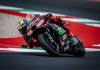
Fresh off a solid P4 in Thailand (with barely any testing under his belt, mind you), Jorge Martin is buzzing—but he’s also sounding the alarm. Moving from the humidity of Buriram to the unknown asphalt of Goiania is a massive leap.
“We’ll need to be extremely careful,” Martin warned.
Translation? One wrong piece of feedback to the engineers and he’ll be chasing his own tail all weekend. He knows a new track is a “setup trap,” and with Aprilia’s momentum, he can’t afford to get “dialled out” instead of “dialled in.”
The Michelin Wildcard
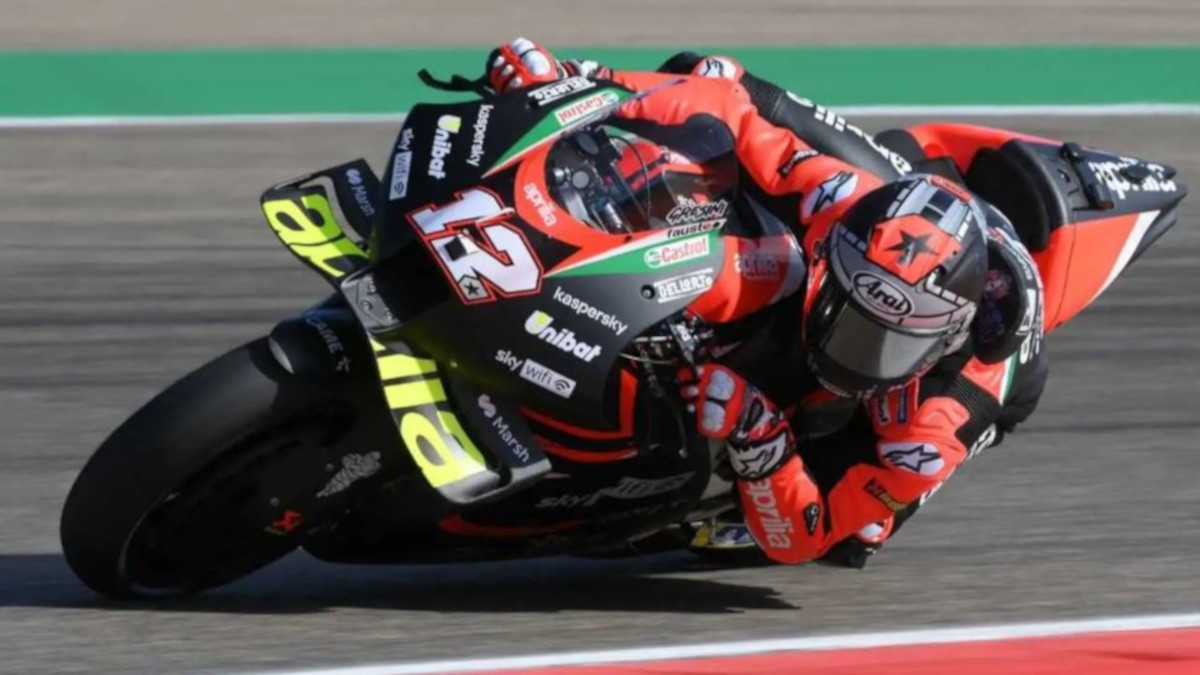
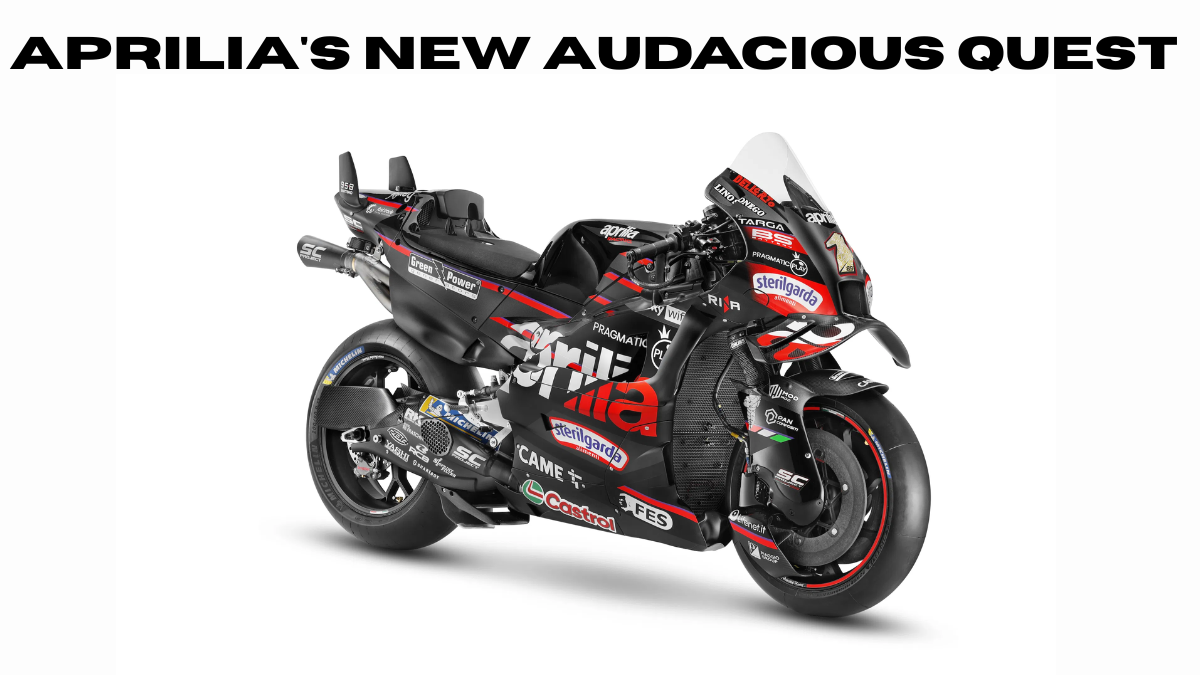
Michelin is crashing the party with an expanded tire range and that stiffer rear casing we saw in Thailand. While some riders complain the stiff tires feel like riding on wooden hoops, the Aprilia RS-GP seems to absolutely love them. If the Italian bikes find that mechanical grip early, the rest of the grid might just be watching Aprilia exhausts disappear into the Brazilian sunset.
Aprilia’s Triple-Threat (and a Hungry Shark)
Marco Bezzecchi is currently riding a wave of Italian magic. He just became the first rider in Aprilia history to win three consecutive races (spanning back to the 2025 finale). He’s only 7 points back from the lead, fueled by “no lack of motivation” and the sheer curiosity of a new circuit.
But standing in his way? Pedro Acosta. The “Tiburon” is officially leading the World Championship for the first time in his career. The KTM wunderkind is proving that whether it’s a sprint or a full-blown GP, he’s not just here to participate—he’s here to take over.
The Stakes at Goiania
| Rider | Status | Momentum |
| Pedro Acosta | Championship Leader | 🦈 Red-hot and ruthless |
| Marco Bezzecchi | -7 Points | 🏆 History maker seeking 4-in-a-row |
| Jorge Martin | The Challenger | ⚖️ Balancing speed with setup caution |
Will the right-hand heavy Goiania layout favor the Aprilia’s corner speed, or will Acosta’s KTM muscle its way to the top of the podium?
Stay tuned—it’s going to be fast, it’s going to be loud, and it’s going to be quintessentially Brazilian. 🏁
| Feature | Aprilia RS-GP | Ducati GP26 |
| Corner Entry | Smooth & Predictable | Excessive Rear “Hop” |
| Mid-Corner | High Speed / Stable | Struggles to Hold Line |
| Corner Exit | Consistent Traction | Excessive Wheelspin |
| Result | 1-3-4-5 Finish (Thailand) | No Podium for 1st time in 88 races |
| Feature | Aprilia RS-GP | Ducati GP26 |
| Corner Entry | Smooth & Predictable | Excessive Rear “Hop” |
| Mid-Corner | High Speed / Stable | Struggles to Hold Line |
| Corner Exit | Consistent Traction | Excessive Wheelspin |
| Result | 1-3-4-5 Finish (Thailand) | No Podium for 1st time in 88 races |
The Tire Casing War: Aprilia’s “Secret Weapon” vs. Ducati’s “Wooden” Nightmare
You hit the nail on the head—the Michelin tire drama is currently the biggest subplot in the 2026 paddock. While everyone else is fighting for the lead, the engineers are fighting the “Stiff Casing” problem.
Why the Aprilia RS-GP is thriving while the Ducati Desmosedici GP26 is wobbling.
The Science of the “Stiff” Rear
Michelin brought a special-carcass tire to Thailand (and is bringing it to Brazil) to deal with extreme heat. This casing is much more rigid than the standard 2026 slick.
- The “Squish” Factor: To maximize traction, most MotoGP bikes need the tire to “squish” into the tarmac on corner exit. This creates a larger contact patch for those 300hp monsters to put power down.
- The Problem: Stiffer casings don’t squish. They feel like riding on solid wood, leading to massive wheelspin.
🇮🇹 Aprilia’s Advantage: The Corner Speed King
The RS-GP is fundamentally designed for high corner speed and aerodynamic downforce rather than just raw point-and-shoot acceleration.
- Mechanical Grip: The Aprilia chassis is naturally more compliant. It generates grip through its frame geometry and “ground effect” aero (those massive side fairings) rather than relying solely on tire deformation.
- Stability over Squish: Because the Aprilia is so stable mid-corner, it doesn’t “punish” the tire as much on corner entry. In Thailand, while Ducati riders were complaining about the bike “hopping” under braking, Bezzecchi and Martin were carving lines like they were on rails.
- The “Vibration” Cure: Ducati has been plagued by “rear chatter” (high-frequency vibrations) with the new 2026 tires. Aprilia’s latest swingarm and mass-damper tech seem to have neutralized this, allowing them to use the stiff tire without the bike shaking itself to pieces.
Ducati’s Struggle: The “Point-and-Shoot” Problem
The Desmosedici is a braking and acceleration beast. It wants to stop on a dime, turn, and launch.
- Exit Spin: When Bagnaia or Marquez crack the throttle, the stiff tire simply spins on the surface instead of digging in. In Thailand, Bagnaia was reportedly seeing wheelspin in 5th gear on the straights!
- The Puncture Mystery: Marc Marquez’s DNF in Thailand was attributed to a rim failure caused by the extreme forces of the stiff tire hitting a kerb. The tire-rim interface is under so much stress that the Ducati “stiffness” is actually working against it.
Quick Comparison: Stiff Casing Performance
| Feature | Aprilia RS-GP | Ducati GP26 |
| Corner Entry | Smooth & Predictable | Excessive Rear “Hop” |
| Mid-Corner | High Speed / Stable | Struggles to Hold Line |
| Corner Exit | Consistent Traction | Excessive Wheelspin |
| Result | 1-3-4-5 Finish (Thailand) | No Podium for 1st time in 88 races |
The paddock is buzzing because Aprilia hasn’t just built a faster bike; they’ve essentially built a “shape-shifting” aerodynamic weapon that exploits a massive loophole in the 2026 regulations.
While the rules strictly ban moving mechanical parts (active aero), Aprilia’s technical director, Fabiano Sterlacchini, and ex-F1 aero-guru Marco De Luca have found a way to use the most active part of the bike: the rider.
Here’s the breakdown of the “Secret” patents giving the RS-GP its edge:
1. The MotoGP “F-Duct” (Rider-Activated Active Aero)
Taking a page out of McLaren’s 2010 F1 playbook, Aprilia has introduced a “fluidic switch” system.
- How it works: The fairing features two intake vents at the nose that channel air to outlets near the rider’s elbows.
- Straight-Line Mode: When the rider is in a full aero-tuck, their forearms naturally block these vents. This “stalls” the airflow, significantly reducing drag and boosting top speed (a crucial fix for Aprilia’s historical top-speed deficit).
- Cornering Mode: When the rider sits up to brake or hang off in a corner, the vents open, redirecting air to the “ground effect” fairings to suck the bike into the tarmac.
2. “Leg Wings” and the Pendulum Effect
New patents reveal vertical winglets mounted behind the rider’s legs (near the swingarm).
- The Trick: These wings are aerodynamically “invisible” when the bike is upright. But as soon as the rider hangs off and sticks their knee out, they create a gap that funnels air directly onto the winglet on the inside of the turn.
- The Result: It generates massive downforce only on the side where it’s needed, helping the bike rotate and fight centrifugal force without the drag penalty of a massive fixed rear wing.
3. The “Victory Tunnel” (Under-Seat Diffuser)
Aprilia has patented an oversized “aero tunnel” that runs between the rear wheel and the seat unit, working exactly like an F1 car’s diffuser.
- It accelerates air from under the bike’s “belly,” creating a low-pressure vacuum.
- This is why Bezzecchi and Martin look so stable under braking; the bike is literally being sucked down toward the asphalt, which explains why they can handle those stiffer Michelin tires that are currently causing Ducati riders to “hop” and slide.
Summary of the Advantage
| Innovation | Origin | Benefit |
| F-Duct Vents | F1 (McLaren) | Boosts top speed on straights by reducing drag. |
| Leg Wings | Aprilia Patent | Increases cornering grip when the rider hangs off. |
| Under-Seat Tunnel | F1 (Diffuser) | Provides rock-solid stability during heavy braking. |
Aprilia has essentially turned the rider into a human aerodynamic control unit. By the time Ducati or KTM can homologate a response, the 2026 title might already be leaning toward Noale.
Source
For the “Leg Wing” Technical Breakdown: Aprilia Patents MotoGP ‘Leg Aero’ for Street Bikes – Bike Rider Magazine
For the “F-Duct” & Ducted Aero Analysis: Aprilia Brings Ducted Aero to MotoGP: The F1 Connection – White Motorcycle Concepts
For the Michelin Tire Stiff-Casing Drama: How Michelin’s Stiffer Carcass Helped Aprilia & Hindered Ducati – ZA Bikers
For the 2026 Brazilian GP Preview: MotoGP: Preview of the Grand Prix of Brazil at Goiania – Roadracing World
For the RS-GP26 Official Specs & Aero Evolution: Aprilia Racing Unveils RS-GP26: The Fastest Prototype Ever – Info Moto
Our Social Media Handles
- Instagram : LivingWithGravity
- Medium : Akash Dolas
- YouTube Channel : Gear and Shutter
- Facebook : LivingWithGravity