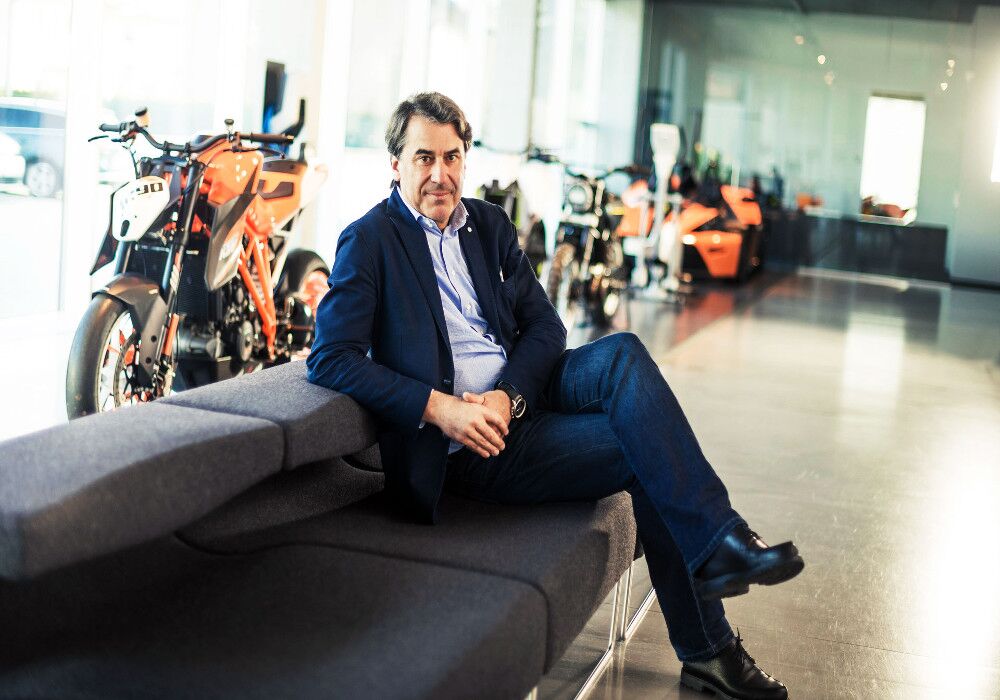
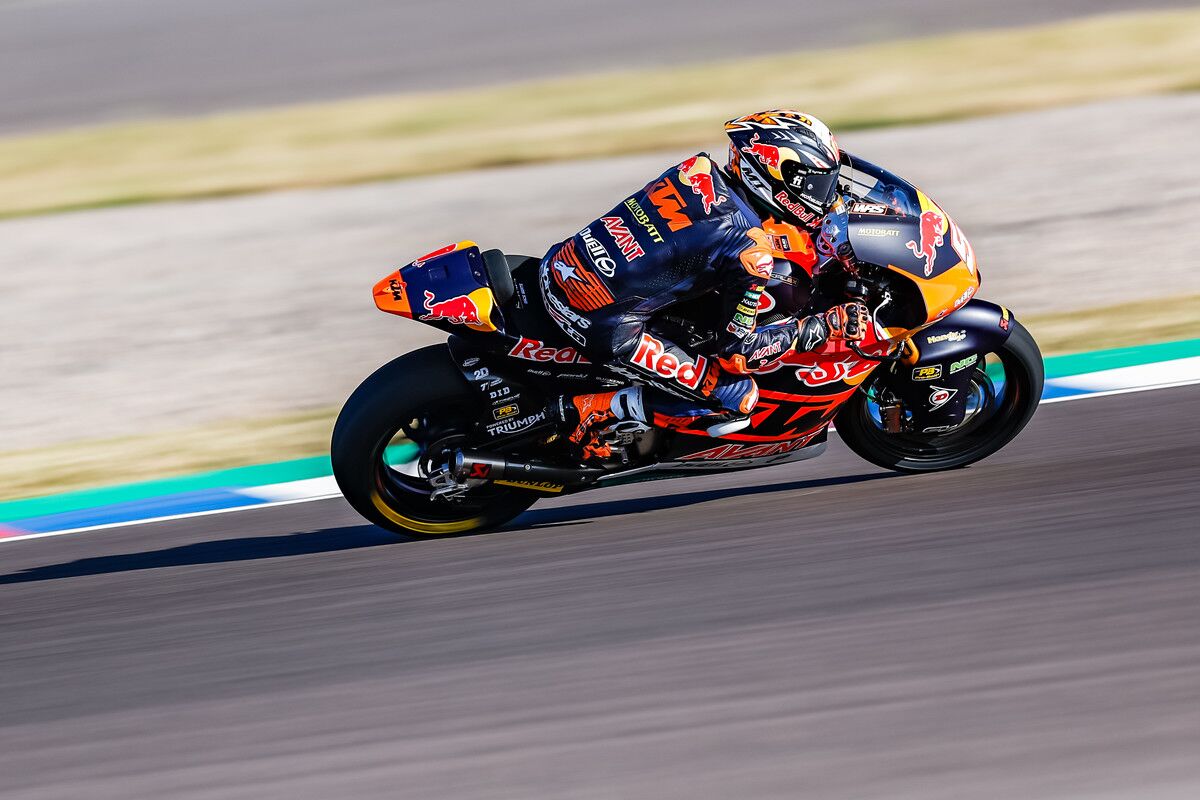










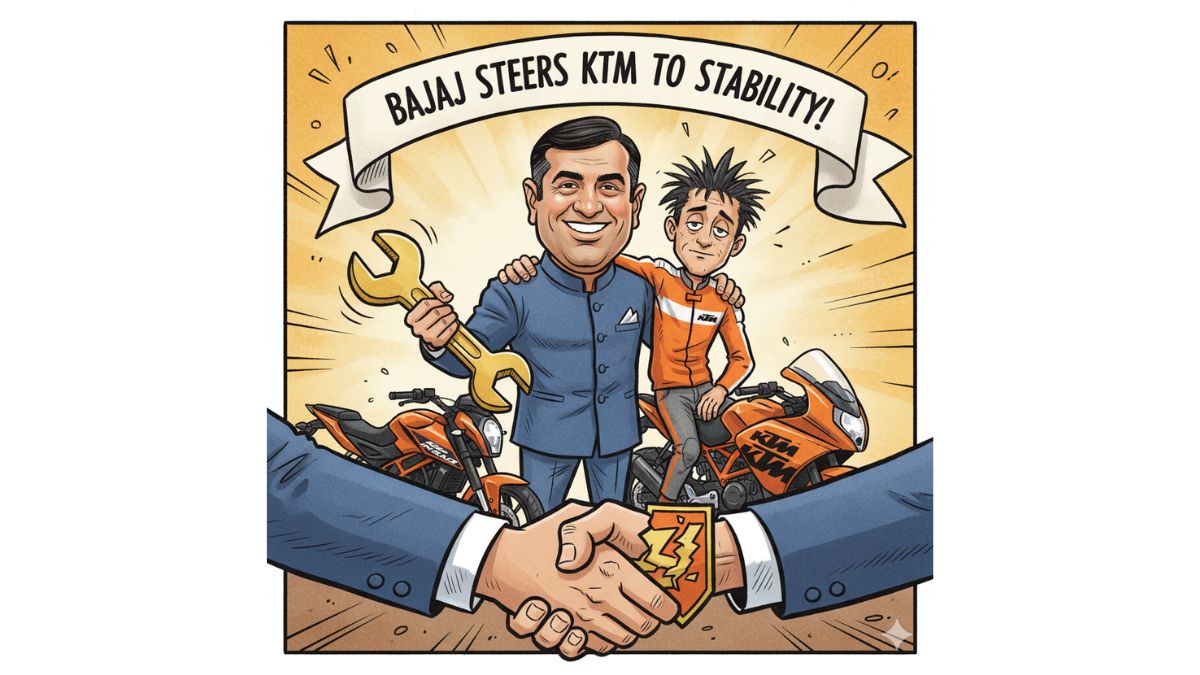
It seems the motorcycle world is getting a makeover, and the latest corporate drama at KTM is a real blockbuster. Imagine a high-octane action film, but with less explosions and more motorcycles. The plot twist involves Bajaj Auto, India’s two-wheeler titan, stepping in as the new majority shareholder, and they are shaking up everything from the factory floor to the racetrack.
This isn’t just a simple business transaction; it is a full-throttle strategic realignment. The “Ready to Race” brand, synonymous with Austrian precision and adrenaline-fueled performance, now has a new financial co-pilot with a clear vision: making things happen in a big way.
The Asian Odyssey: Shifting Gears for Profitability
Bajaj Auto’s move is a power play rooted in pure economics. With the high cost of European manufacturing, a prominent statement from Bajaj’s head honcho, Rajiv Bajaj, caused quite a stir, suggesting that “European production is dead.” This declaration, while blunt, highlights a fundamental business reality. Why maintain expensive production lines in Austria when you can build high-quality motorcycles with significant cost savings in India?
For Bajaj, which already co-develops and manufactures KTM’s smaller-capacity models like the Duke and RC series, this shift to an Asian manufacturing hub makes perfect sense. It is a win-win for shareholders, promising wider profit margins and more competitive pricing for global consumers. This strategic pivot allows the brand to double down on what it does best: crafting exceptional, high-performance motorcycles for a global audience.
Likes and Dislikes of This Bold Move:
- The Upside: Motorcycle enthusiasts worldwide could see more affordably priced bikes. The move also solidifies Bajaj’s position as a global manufacturing powerhouse, leveraging its scale and expertise.
- The Downside: For some purists, the move raises questions about the brand’s Austrian heritage. There are concerns among Austrian factory workers, who wonder what the future holds for their jobs, even if research and development remains in Mattighofen.
Farewell to the Four-Wheeled Friend
In a parallel development that feels straight out of a quirky business novel, KTM is reportedly selling its supercar division. That is right, the company known for its lightweight, track-focused X-Bow is handing the keys to an unlikely group of investors: the “beer billionaires” from the De Mevius family, the brewing dynasty behind brands like Budweiser and Corona.
The €10 million deal, a significant but not staggering sum, is a clear signal of KTM’s new focus on its core business. The X-Bow was a fascinating experiment, a road-legal go-kart that brought pure racing feel to the streets. However, it was a niche product that required resources better spent on two wheels. Selling it off allows the company to refocus its energy, research, and capital back into motorcycles, where its legacy and future truly reside.
Marketing and Competition: A New Era for a Global Brand
KTM has long used a “Ready to Race” marketing ethos to position itself as the choice for serious riders. Its aggressive styling, bright orange branding, and consistent success in off-road and on-road motorsport have cultivated a loyal following of enthusiasts. Competitors like Yamaha, Kawasaki, and Honda compete in a broad spectrum of the market, while brands like BMW and Triumph target similar premium segments.
KTM’s partnership with Bajaj has already helped it gain significant market share in emerging economies, particularly in India. The new ownership structure and potential production shift will only amplify this advantage. It allows KTM to offer a more competitive product mix, from urban commuters to high-powered adventure motorcycles, without compromising its reputation for performance.
Research and Consumer Insights:
- The Appeal: Riders love the aggressive design and exhilarating performance, noting that KTM bikes are “fun to ride in the city and an absolute hooligan on open roads.”
- The Compromise: Some riders find the engine refinement a step down from Japanese competitors and note that the vibrations can be felt on the handlebars and footpegs. Others mention a stiff ride at lower speeds, a trade-off for its precise handling.
In the grand scheme of things, Bajaj’s acquisition and KTM’s subsequent strategic moves are shaping a fascinating new chapter in the motorcycle industry. The shift promises greater efficiency and global reach, proving that a brand’s heritage can still be honored while adapting to the realities of a competitive, interconnected world.
Sources:
- Bajaj Auto takes majority ownership of KTM with $905 million investment – New Atlas
- Rajiv Bajaj’s Statement That Is Causing Panic In KTM – Cartoq
- KTM Supercar Saved by Beer Barons – AutoDrive
- Marketing Strategies of KTM Motors – ijrpr
Our Social Media Handles
- Instagram : LivingWithGravity
- Medium : Akash Dolas
- YouTube Channel : Gear and Shutter
- Facebook : LivingWithGravity