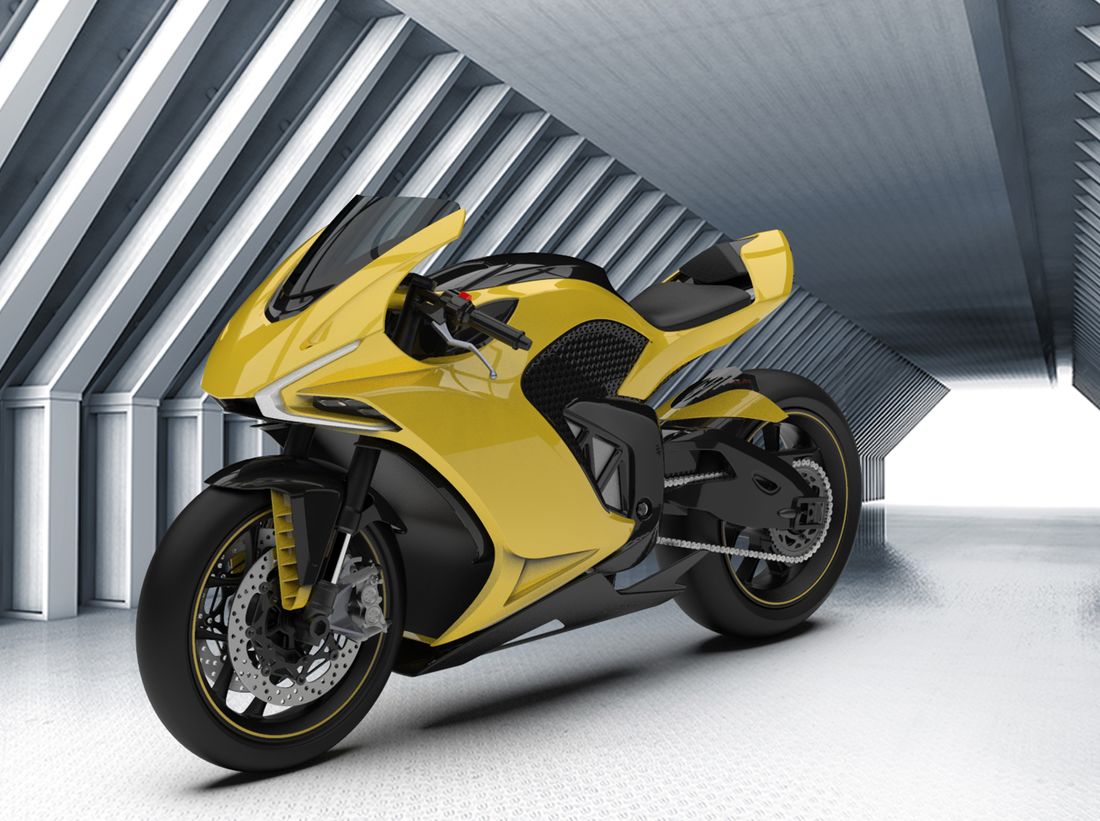
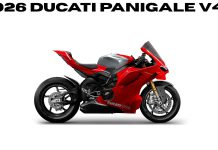
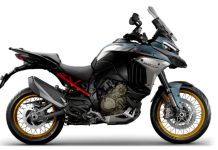
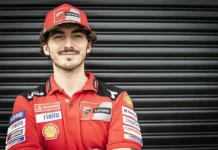

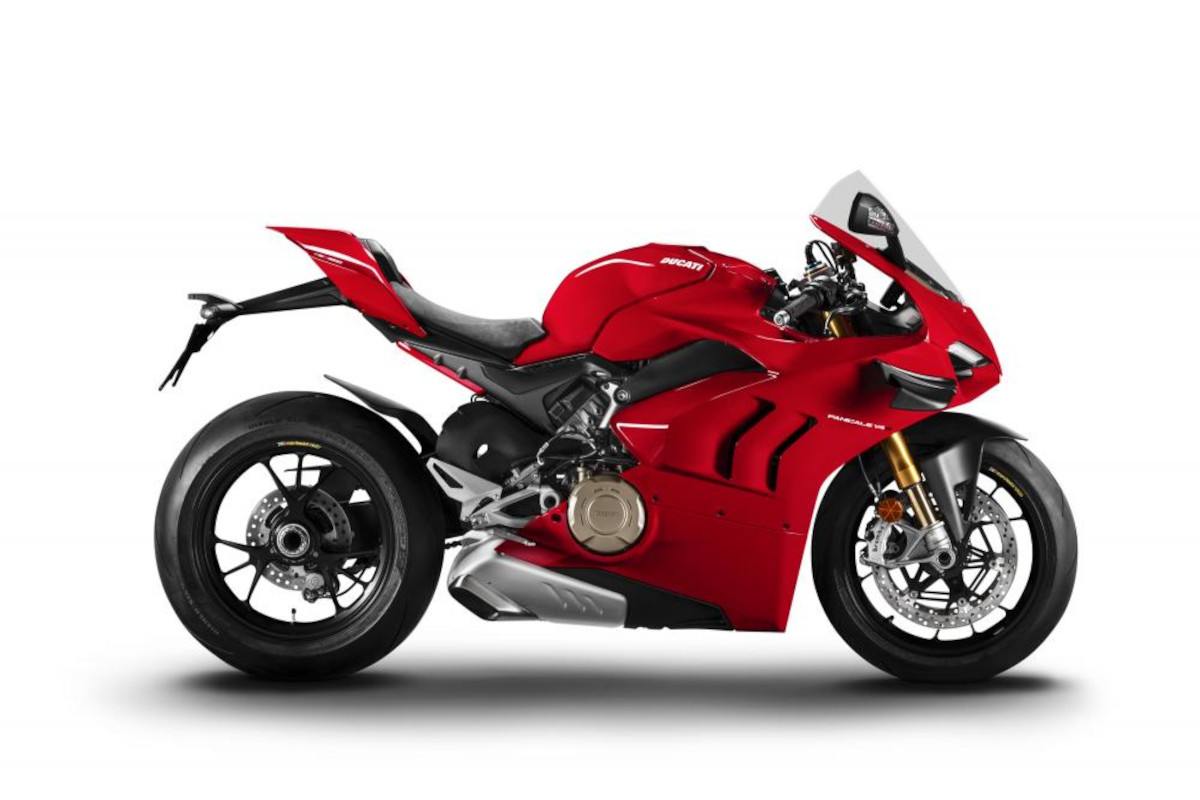






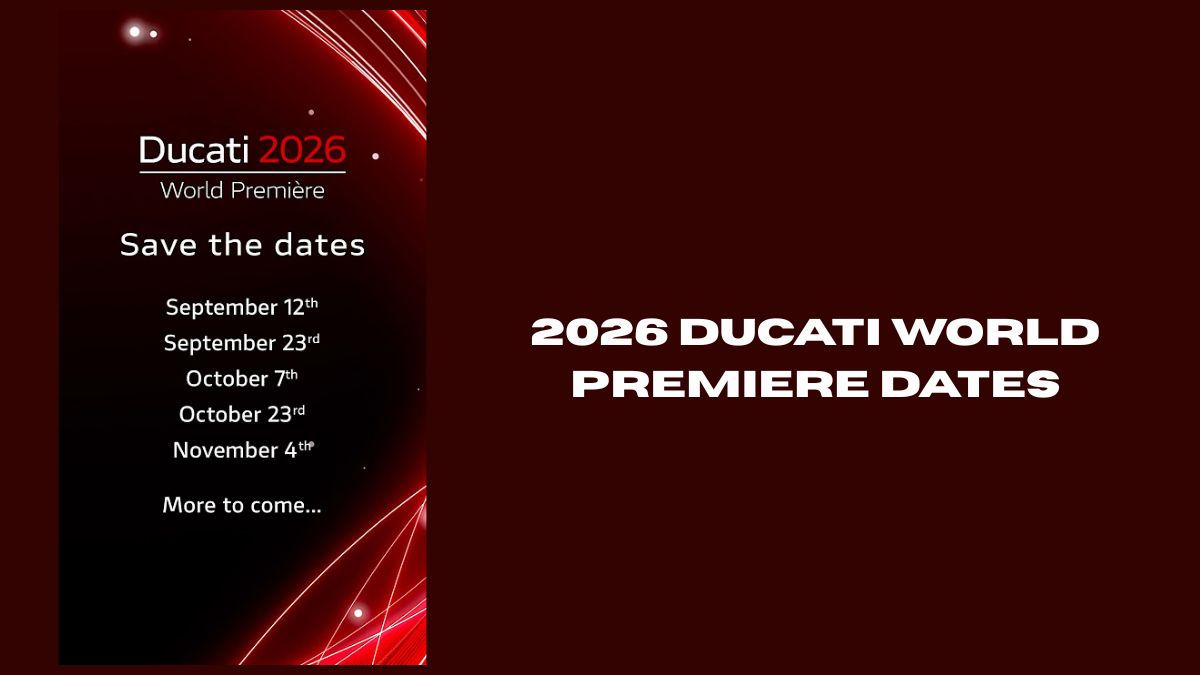
A thunderous roar echoes from Borgo Panigale, and it’s not the usual sound of a Panigale tearing up the track. It’s the hum of anticipation, the buzz of a new season of reveals. Ducati has officially kicked off its “Ducati World Première 2026″ schedule, and gearheads everywhere are strapped in for a wild ride. This is not just a handful of new paint jobs or minor tweaks. It’s a full-throttle assault on the motorcycle market, promising a lineup that will make even the most stoic riders weak at the knees.
The Marketing Blitz: A Masterclass in Hype
Ducati’s marketing strategy is less about traditional advertising and more about building a cult following. They create an experience, not just a product. The “Ducati World Première” is the ultimate example. By releasing a series of new model announcements over several weeks, they maintain a constant presence in the motorcycle news cycle and keep enthusiasts on the edge of their seats. This staggered approach is a genius move for several reasons:
- Sustained Engagement: Rather than a single, high-impact event, the series of reveals keeps the conversation going for months, from the initial teasers to the final EICMA debut.
- Targeted Excitement: Each announcement can focus on a specific segment, from naked sport bikes to adventure touring, capturing the attention of a dedicated fanbase for each category.
- Community Building: The online reveal schedule encourages conversation and speculation on forums and social media, creating a powerful wave of user-generated content and brand loyalty. The Ducatisti community is one of the most passionate in the world, and this strategy plays directly into their tribal nature.
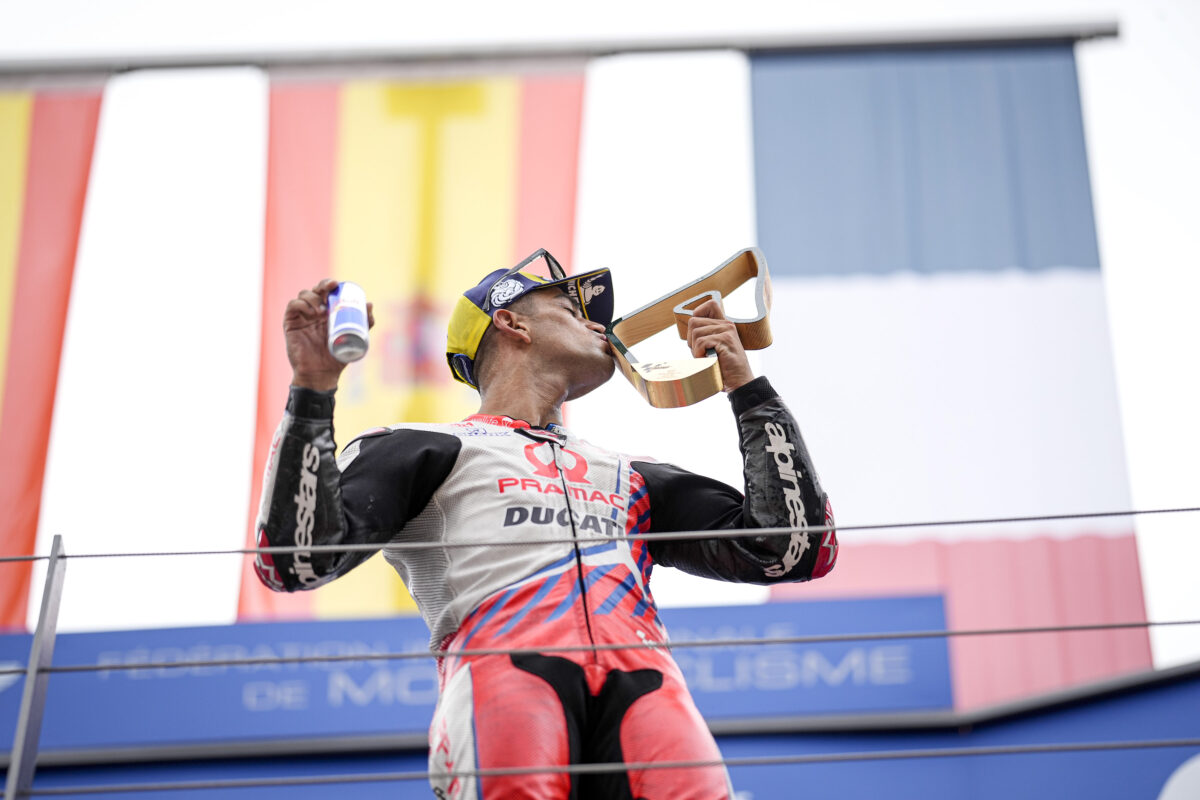
This digital-first approach with minimal “tribal advertising” directly leverages their extensive racing success in MotoGP and World Superbike, where their bikes are constantly in the spotlight, and their riders are de facto brand ambassadors.
Research and Development: The Heart of the Beast
Ducati’s prowess is rooted in its relentless investment in R&D. They consistently push the envelope with advanced technology and race-bred engineering. Their bikes are defined by a list of unique features: the iconic Desmodromic valve control system, the potent L-Twin and V4 engines, and the unmistakable sound that gives them their soul. This focus on technological differentiation is their core strength, allowing them to command a premium price and compete on performance and design rather than price. The quickened product development cycle, from an average of 36 months to a mere 15 months, demonstrates their agility and commitment to bringing cutting-edge concepts to market faster.
The Competition: A Battle of Giants
While Ducati holds a strong position as a premium, high-performance brand, the battlefield is crowded with formidable opponents.
- BMW Motorrad: A primary rival, particularly in the adventure touring and superbike segments. BMW’s R 1250 GS and S 1000 RR offer serious competition to Ducati’s Multistrada and Panigale lines.
- Aprilia: Another Italian powerhouse, Aprilia offers a direct challenge in the sport bike and naked bike categories with models like the RSV4 and Tuono V4.
- Japanese Manufacturers (Honda, Yamaha, Kawasaki): While they operate in a different market segment with a focus on more affordable, mass-market models, their constant innovation and extensive resources make them a perennial threat. They offer a wider range of products, and their entry-level sport bikes can appeal to a broader audience.
- Harley-Davidson: While a different breed of motorcycle, Harley-Davidson is a key competitor in terms of brand legacy and customer loyalty, particularly in the cruiser market.
Ducati’s strategy of focusing on niche, high-end performance allows it to avoid a direct price war and instead compete on its reputation for exotic beauty, exclusive technology, and championship-winning heritage.
Rider Reviews: The Good, the Bad, and the Beautiful
What do the people say? Enthusiast forums and online communities paint a clear picture of the Ducati experience.
Likes:
- Performance: Unmatched power, exhilarating acceleration, and pinpoint handling are consistently praised. The adrenaline rush of riding a Ducati is a common theme.
- Design & Aesthetics: The beautiful, sculpted lines and Italian styling are a major draw. These bikes are often described as moving art.
- Exclusivity: Owning a Ducati is a statement. The brand’s racing pedigree and premium price point contribute to a feeling of being part of an elite club.
- Sound: The unique exhaust note of a Desmo engine is a sensory experience that owners love.
Dislikes:
- Cost of Ownership: The high initial price is one thing, but maintenance costs, parts, and specialized service are often cited as a significant downside.
- Reliability: While much improved, some riders still harbor concerns about reliability and electronic issues compared to their Japanese counterparts.
- Ergonomics: Some of the more aggressive sport bike models can be physically demanding for daily riding or long trips, with riders commenting on a punishing riding posture.
In conclusion, Ducati’s latest World Premiere announcement is a strategic move that plays to its strengths. By building anticipation through a series of reveals, leveraging its racing dominance, and focusing on a premium, technology-driven product, Ducati continues to solidify its position as a powerhouse of Italian engineering and a purveyor of two-wheeled dreams.
Sources:
- Ducati World Première 2026: Presentations of Ducati’s new models begin on September 12: https://www.ducati.com/us/en/news/ducati-world-premiere-2026-presentations-of-ducati-s-new-models-begin-on-september-12
- Ducati’s Turnaround Strategy: A Comprehensive Case Study Analysis: https://desklib.com/study-documents/ducati-turnaround-strategy-analysis/
- Marketing Mix of Ducati and 4Ps (Updated 2025): https://www.marketing91.com/marketing-mix-ducati/
- Ducati Community Forums: https://www.ducati.community/forums/
- In-depth SWOT Analysis Of Ducati: https://iide.co/case-studies/swot-analysis-of-ducati/