





Alright, let’s dive into the glorious future of Royal Enfield, where two new stallions are preparing to gallop onto the scene. We’re talking about a bobber that’s all about cool and a Himalayan that’s ready to scale new heights.
The Royal Enfield Classic 350 Bobber: A Single-Seat Sensation
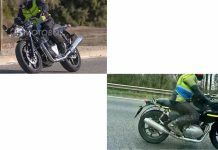
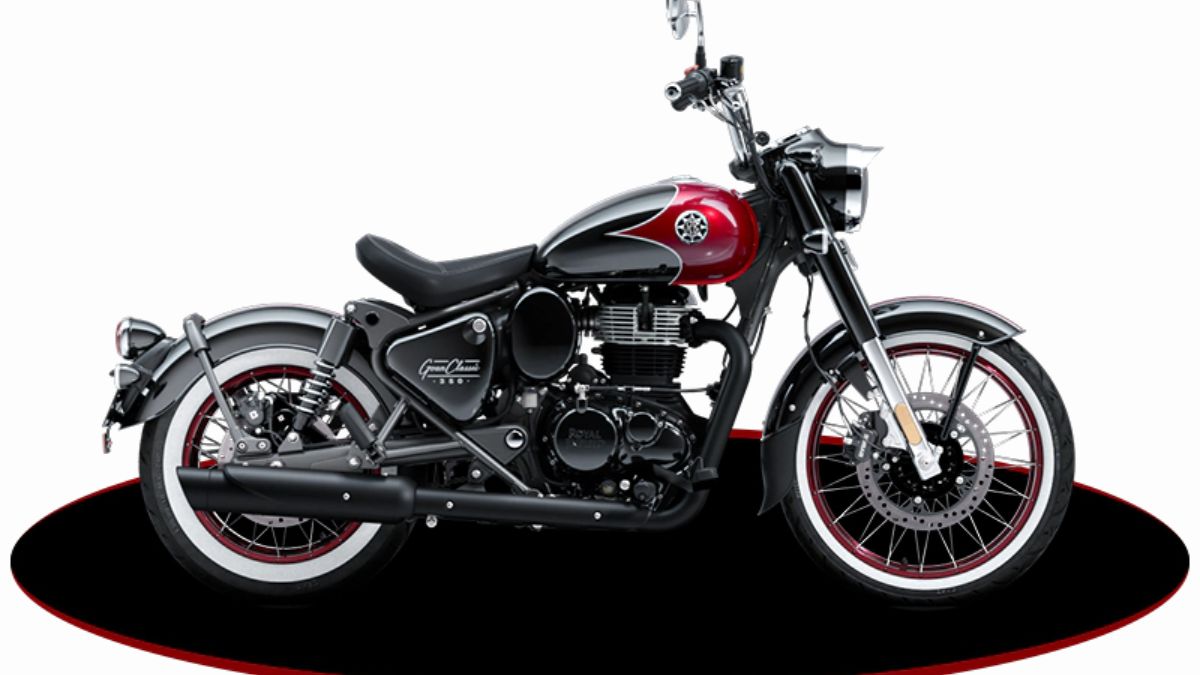
Forget everything you know about practicality; the Classic 350 Bobber is here to redefine cool. Spotted cruising around in various spy shots, this bike appears to be Royal Enfield’s answer to the minimalist motorcycling mantra. It’s a style statement on two wheels, built for those who appreciate a stripped-down, no-frills aesthetic with a single rider in mind.
Marketing & Style Analysis: The “I Ride Solo” Vibe
The Bobber is a masterclass in niche marketing. It’s not for the weekend tourer with a pillion rider and luggage. This is for the urban warrior, the Sunday coffee-shop hopper, the person who believes a motorcycle is an extension of their personal style. It’s a bike that says, “I’m just here to look good and feel good.” The design retains the Classic 350’s beloved J-series engine, but with a crucial twist: a single floating seat, chopped fenders, and likely, a new handlebar setup. This look targets a younger demographic and seasoned riders seeking a secondary, fun-to-ride machine.
The Competition: Bobbing for Dominance
The most significant rival is the Jawa 42 Bobber. This bike has already carved out a respectable space for itself with its modern-retro appeal. The Royal Enfield Bobber will likely compete directly on style and price. Other competitors include the TVS Ronin, which offers a blend of cruiser and retro roadster, and the formidable Harley-Davidson X440, which brings premium brand heritage into a similar displacement class. Royal Enfield’s advantage is its immense brand loyalty and the proven, tractable nature of its J-series engine.
Likes and Dislikes from the Unofficial Peanut Gallery
- The Likes: Riders are buzzing about the unique, custom-bike-like appearance straight from the factory. The idea of a single seat, which looks fantastic in a motorcycle, has a powerful appeal. The reliable and smooth-running J-series engine, known for its strong low-end torque, is a major plus.
- The Dislikes: The most talked-about critique is the lack of a pillion seat. While this is the very definition of a bobber, it will inevitably disappoint some who need the flexibility to carry a passenger. People also wonder about the bike’s pricing. To be a major contender, it needs to be competitive with the Jawa 42 Bobber.
The Royal Enfield Himalayan 750: The Adventure Monster Returns
If the Classic Bobber is for the city, the Himalayan 750 is for the mountains, the deserts, and anywhere the tarmac ends. Rumored for years and recently confirmed by spy shots and official mentions, this bike is a big leap for Royal Enfield’s adventure-touring segment. It promises to be a bigger, more powerful beast, moving from a single-cylinder setup to a twin-cylinder powerhouse.
Marketing & Strategic Analysis: The Globetrotter’s New Choice
The Himalayan 750 is a calculated move to capture a slice of the premium adventure bike market. The existing Himalayan 450 is a fantastic and capable bike, but the 750 aims to appeal to riders who want more highway performance, more horsepower for two-up riding, and a more comfortable cruising experience. This positions the bike as a genuine long-distance tourer and a true globetrotter’s machine. The target audience is the seasoned adventure rider looking for a well-built, reliable, and more affordable alternative to European and Japanese middleweight ADVs.
The Competition: The Battle for the Trail
The competition for the Himalayan 750 is fierce. In the international market, it will go head-to-head with bikes like the KTM 390 Adventure, the Kawasaki Versys-X 300, and the Triumph Scrambler 400 XC. While the Himalayan 750 may not have the outright power of some of these bikes, its competitive pricing and a new platform with a powerful engine are its key strengths. The expected features like USD forks, a larger fuel tank, and tubeless spoke wheels will make it a compelling package.
Likes and Dislikes from the Expedition Community
- The Likes: The biggest cheer is for the new twin-cylinder engine. Enthusiasts expect a significant boost in power and a smoother ride. The potential for tubeless wire-spoke wheels, a feature highly requested by adventure riders, is a huge win. The move to a larger-displacement model is seen as a natural progression that will open up new markets for the brand.
- The Dislikes: A primary concern is weight. The current Himalayan is not a lightweight machine, so the addition of a larger engine and more components could add to the heft. Some riders also worry about the potential price increase. To maintain its “affordable adventurer” status, Royal Enfield will have to strike a delicate balance between premium features and a competitive price.
Sources
- Royal Enfield Classic 350 Bobber vs Jawa 42 Bobber: BikeDekho – Jawa 42 Bobber vs Royal Enfield Classic 350 Comparison
- Royal Enfield Himalayan 750 Spotted Testing: India Today – Himalayan 750 tested by the CEO of Royal Enfield
- Himalayan 750 Competitors and Specs: BikeWale – Honda NX500 vs Royal Enfield Himalayan 750 Comparison
- Overall Royal Enfield Marketing & Competitors: Marketing91 – Top 19 Royal Enfield Competitors & Alternatives in 2025
Our Social Media Handles
- Instagram : LivingWithGravity
- Medium : Akash Dolas
- YouTube Channel : Gear and Shutter
- Facebook : LivingWithGravity