














Executive Summary
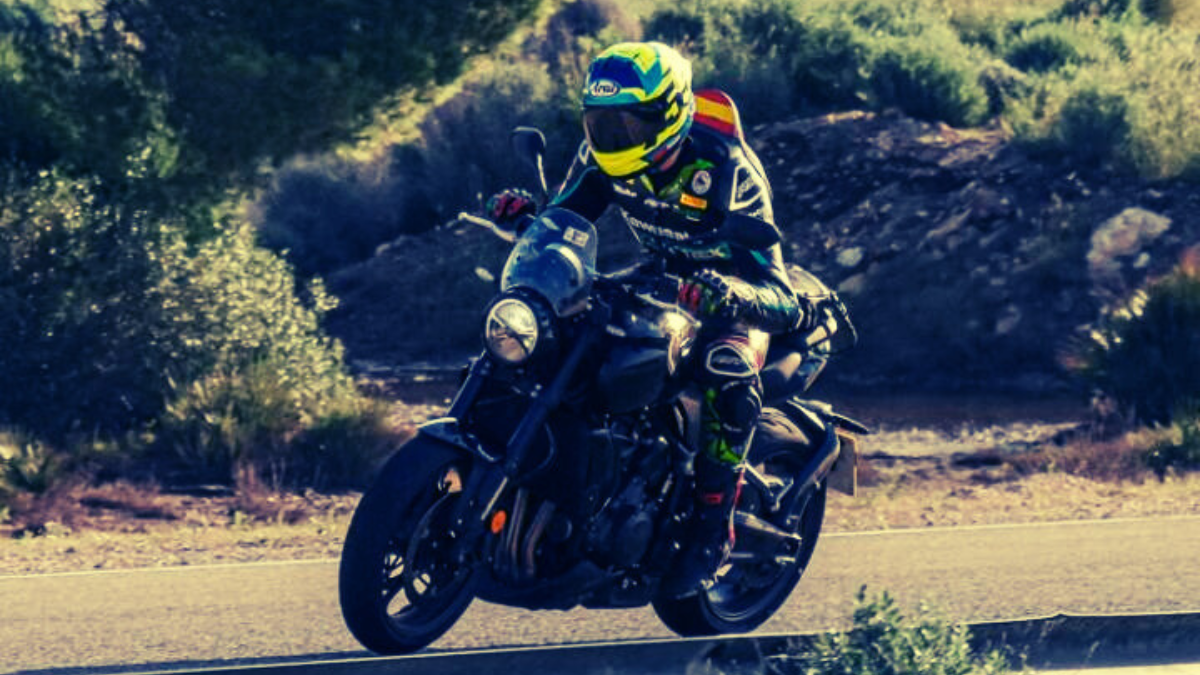
Triumph is in the advanced stages of developing a new motorcycle, tentatively identified as the Trident 800. This forthcoming model, recently observed during road testing, is a strategic new entry into the dynamic middleweight roadster segment. The core finding of this analysis is that the Trident 800 represents a calculated and fiscally prudent product development strategy. By leveraging the proven chassis and new 798cc triple-cylinder engine platform from the recently launched Tiger Sport 800, Triumph is able to introduce a new model with a distinct identity and rider appeal while significantly reducing research and development overhead.
The strategic positioning of the Trident 800 is a key element of its potential success. It is not designed to be an internal competitor to the high-performance Street Triple 765. Instead, it is being positioned as a neo-retro, style-focused alternative. While the Street Triple is built for aggressive, track-oriented performance with its high-revving engine and premium componentry, the Trident 800 will offer a more user-friendly, torque-rich power delivery and a more relaxed, street-oriented riding posture. This deliberate differentiation is a sophisticated method of market segmentation, ensuring that each model caters to a distinct rider demographic.
In the external market, the Trident 800 will occupy a unique and advantageous position. It offers a level of power and technology that surpasses many traditional, lower-powered neo-retro models, such as the Ducati Scrambler Icon or the Moto Guzzi V7 Stone. Simultaneously, its neo-retro styling and tractable engine character will set it apart from more aggressive Japanese and European naked sportbikes. This positioning allows it to fill a previously underserved niche: a high-quality, powerful, yet approachable motorcycle that blends classic aesthetics with modern performance.
The success of the Trident 800 will hinge on an optimal pricing strategy that positions it as a value-added proposition relative to its key competitors. A price point between the less-powerful neo-retro bikes and the top-tier roadsters would make it a highly compelling option. Its marketing should focus on the emotional connection and unique character of the Triumph triple engine, appealing to riders who prioritize a blend of style, comfort, and exhilarating, usable performance. This motorcycle is more than a new product; it is a validation of Triumph’s new modular platform strategy, setting the stage for potential future models and solidifying the brand’s footprint in the middleweight motorcycle market.
Chapter 1: Prototype Dissection and Design Intent
1.1. Observed Characteristics of the Spied Test Mule
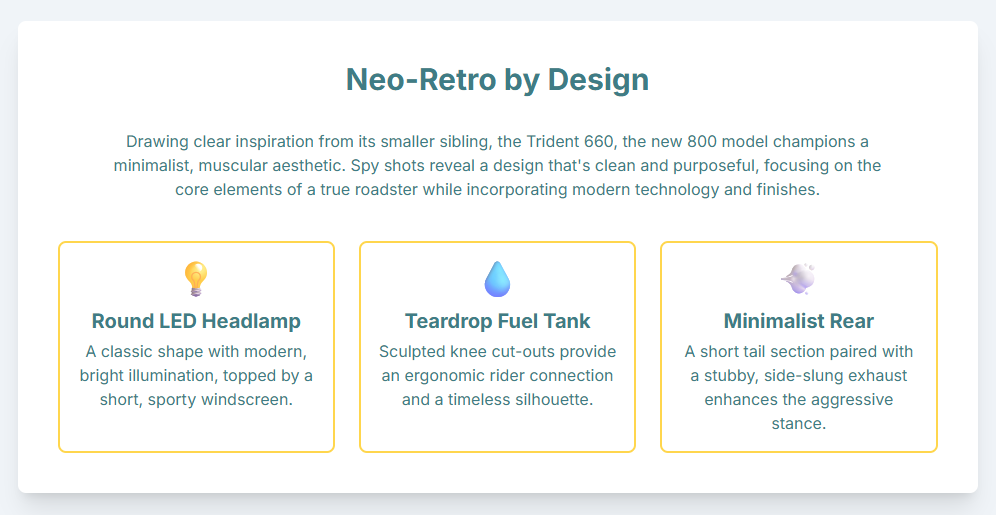
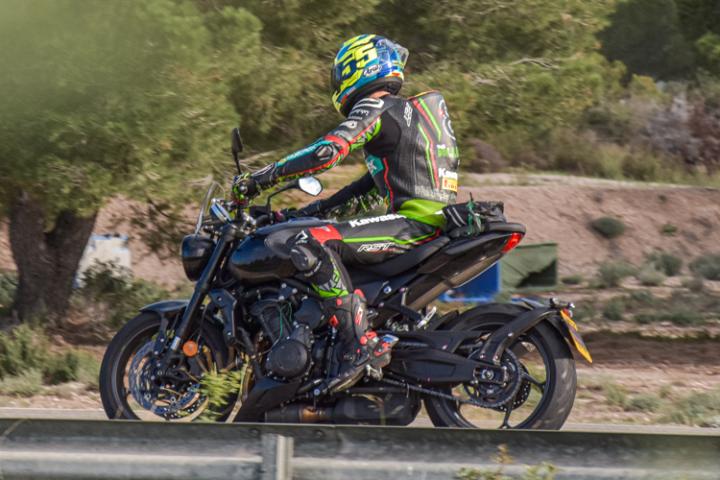
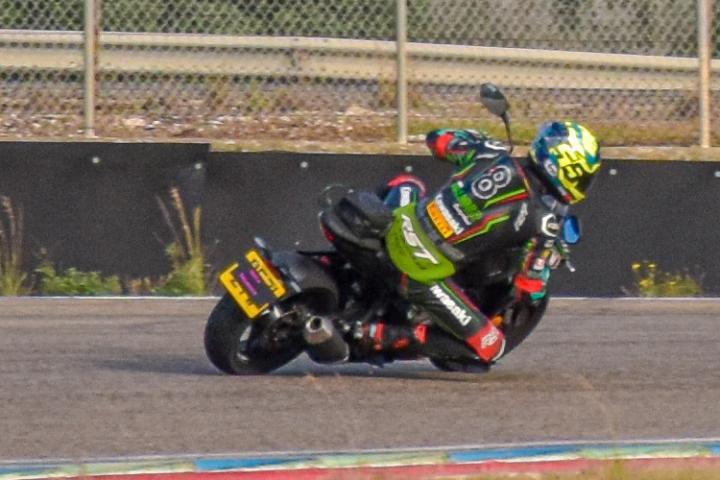
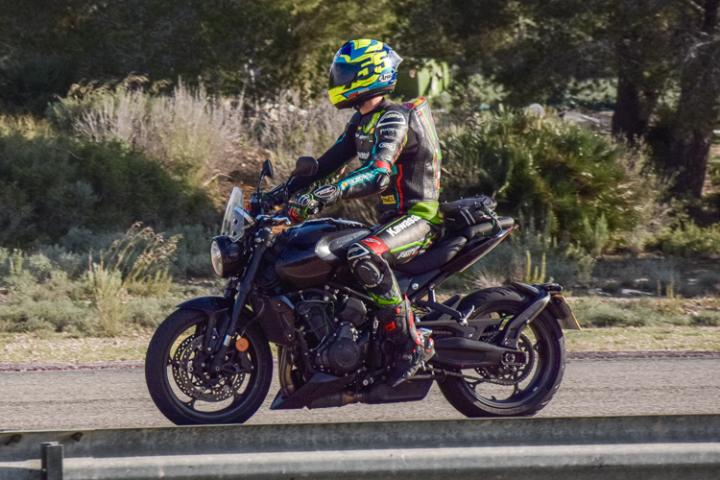
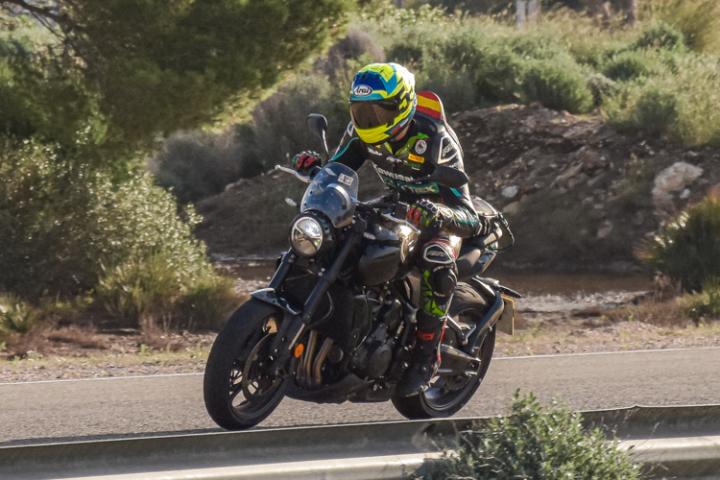
Recent spy photographs have offered the first public glimpse of a new Triumph neo-retro roadster, which is widely speculated to be named the Trident 800.1 This test bike exhibits a series of distinctive design cues that clearly define its stylistic identity. The most prominent feature is a round LED headlamp, which provides a classic, timeless aesthetic.1 This is complemented by a short windscreen and a teardrop-shaped fuel tank that flows seamlessly into the bike’s lines, evoking a sense of heritage without sacrificing modernity.1 The test mule also features a short tail section and a side-slung exhaust, which contribute to a clean, compact, and sporty silhouette.1 The overall styling is noted as being “similar to the Trident 660” 1, indicating a deliberate effort to create a cohesive design language for Triumph’s more accessible roadster line.
This visual continuity is an important part of a broader brand strategy. By maintaining a strong familial resemblance to the Trident 660, Triumph establishes a clear brand hierarchy and a logical upgrade path for its customers. The Trident name is now associated with an entry-level, user-friendly, and value-oriented roadster segment.3 This strategic association allows Triumph to leverage the success and positive reception of the 660cc model, which has been identified as a top contender in the middleweight naked category.5 The 800cc version is therefore positioned as a more powerful, premium evolution of a proven and popular concept.
1.2. Platform Heritage: Leveraging the Tiger Sport 800 Chassis
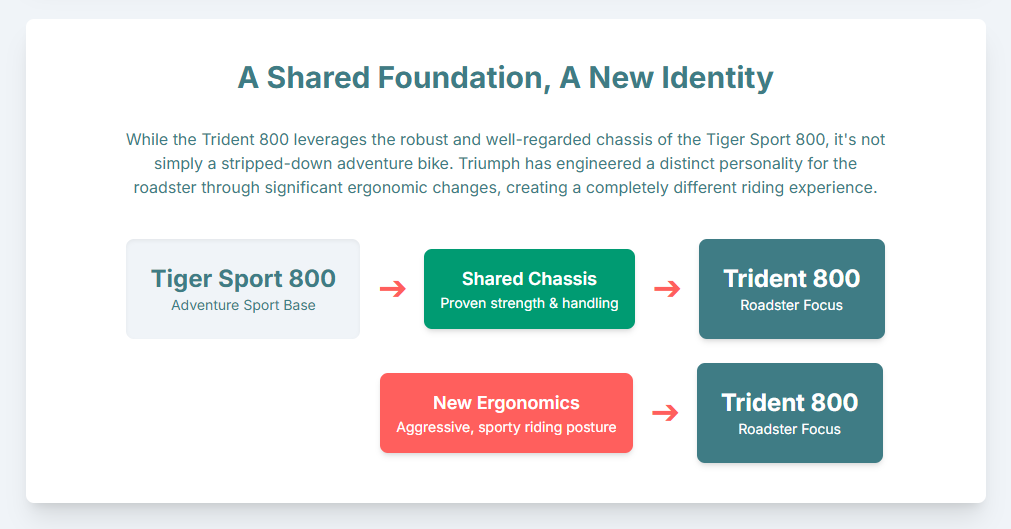
A central and critical piece of information from the spy reports is that the new Trident 800 is expected to “share the same chassis as the Tiger Sport 800”.1 This detail reveals a fundamental aspect of Triumph’s product development methodology. The new Tiger Sport 800 itself utilizes a tubular steel perimeter frame and a fabricated steel swingarm.6 This chassis is a derivative of the Tiger Sport 660’s platform, modified to accommodate the new, larger 798cc engine.9
The use of this shared platform is a significant strategic maneuver. It allows Triumph to introduce a completely new model to its lineup with a substantially lower capital investment in research and development. The core engineering of the frame, engine mounts, and suspension mounting points is already finalized and tested in the Tiger Sport 800. This modular approach not only accelerates the time-to-market for the Trident 800 but also reduces the financial risk associated with launching a new motorcycle in a competitive segment. This is in stark contrast to the development of the Street Triple 765, which utilizes a more complex and expensive aluminum twin-spar frame.11 The choice of a steel frame for the Trident 800 is a calculated decision that prioritizes manufacturing efficiency and positions the bike at a different price point and performance philosophy than its sibling. It suggests a focus on providing a high-quality, modern motorcycle at a more accessible price.
1.3. Stylistic Lineage: Drawing from the Trident 660’s Aesthetics
The visual identity of the Trident 800 prototype is a deliberate echo of the Trident 660’s design philosophy. The spied motorcycle’s round LED headlamp, teardrop tank, and minimalist tail section are all signature elements of the smaller Trident.1 This consistency in styling is not merely a design choice; it is a strategic branding decision. The name “Trident 800” itself signals that this motorcycle’s primary identity is a more powerful variant of the existing neo-retro line, rather than a sibling of the aggressive, performance-focused Street Triple.
This approach creates a clear brand family and a direct upgrade path for riders. A customer who begins their motorcycling journey on the nimble and approachable Trident 660 now has a clear and logical next step within the same brand family. The messaging is clear and intentional: Triumph is providing a high-performance version of the user-friendly, stylish roadster concept. By intentionally separating the “Trident” sub-brand from the “Street Triple” moniker, Triumph mitigates the risk of its own products competing with one another. Each model is designed for a specific rider persona—the Street Triple for the sport-focused enthusiast and the Trident for the style-conscious street rider. This segmentation is crucial for maintaining a healthy and diversified product portfolio.
Chapter 2: The Triumph Portfolio Dynamic
2.1. Internal Positioning: The Neo-Retro vs. The Sportbike
Triumph’s current middleweight triple-cylinder lineup is thoughtfully segmented to appeal to different types of riders. The range includes the high-performance naked sportbike, the Street Triple 765, and the versatile adventure-touring Tiger Sport 800.7 The introduction of the Trident 800 will establish a new, distinct category within this family: a neo-retro roadster. This model is designed to occupy a crucial middle ground, bridging the gap between the accessible and hugely popular Trident 660 and the premium, performance-oriented Street Triple.
This positioning allows Triumph to offer a solution for riders who are drawn to the character of the triple engine but do not desire the aggressive, track-focused nature of the Street Triple. The Trident 800 will provide an exciting and powerful ride in a package that prioritizes classic styling, comfort, and street usability. This strategic expansion enables Triumph to capture a broader market share by catering to a rider who values a potent but relaxed riding experience, effectively carving out a new space in its own product lineup.
2.2. Direct Comparison: Trident 800 (Projected) vs. Street Triple 765
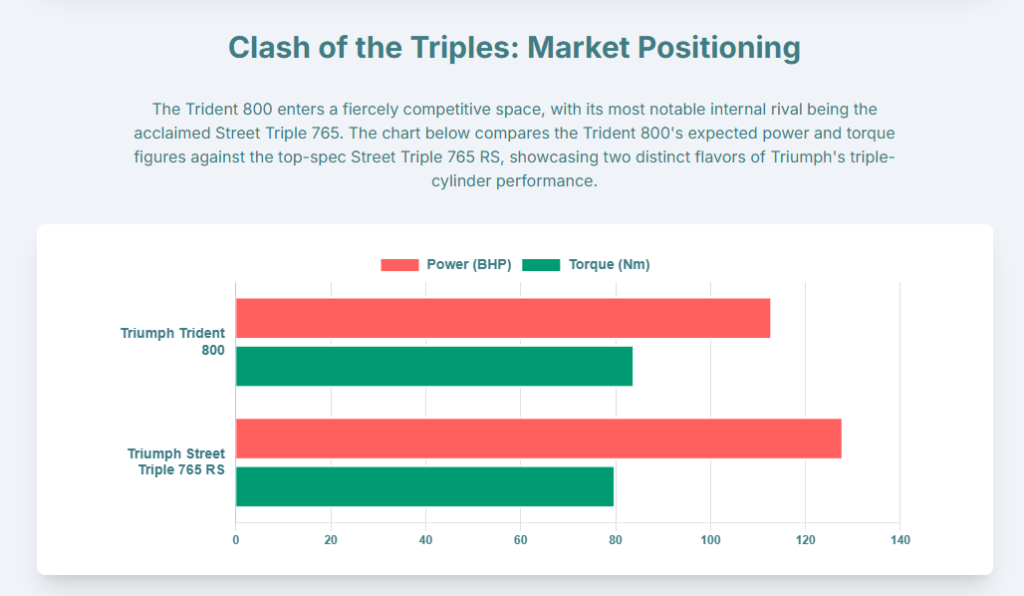
The user query raises a critical point about the potential overlap between the Trident 800 and the Street Triple 765 due to their similar power outputs. A direct comparison reveals that while their peak horsepower figures are close, their fundamental design philosophies are entirely different, a distinction that eliminates the potential for internal competition.
Engine & Performance: The Trident 800 will be powered by a 798cc, 3-cylinder engine that, in the Tiger Sport 800, produces 113 BHP and 84 Nm of torque.1 In contrast, the Street Triple 765 RS produces a higher 128 HP but a slightly lower 80 Nm of torque.11 This difference in power delivery is the key to their unique positioning. The engine from the Tiger Sport 800 is praised for its smooth, linear power delivery and its “robust spread of power,” pulling strongly from as low as 3,000 rpm.9 This character is ideal for street riding, where usable low-to-mid-range torque is more valuable than a high-revving peak power figure. The Street Triple, on the other hand, is a high-strung, peaky engine tuned for maximum horsepower at high RPMs, a characteristic better suited for track days and aggressive sport riding.
Chassis & Components: The strategic differences extend far beyond the engine. The Trident 800’s chassis is a tubular steel perimeter frame.7 This frame design, while robust, is inherently more flexible than the Street Triple’s lightweight aluminum twin-spar frame and high-pressure die-cast subframe.11 This choice of materials and design points to a more comfortable, stable ride, which aligns with the bike’s neo-retro and street-focused identity. The Street Triple’s stiffer chassis is designed for razor-sharp handling and precision. Furthermore, the Street Triple 765 RS is equipped with premium, fully adjustable suspension from Öhlins and high-performance Brembo Stylema brakes.12 The Trident 800, conversely, will likely feature the Tiger Sport 800’s adjustable Showa suspension and Triumph-branded radial brake calipers.7 This difference in component specification is a direct reflection of their intended purposes and target price points. The Trident 800 offers a high level of quality and technology, but it does not carry the premium, race-focused componentry of the Street Triple.
2.3. Preventing Cannibalization: Strategic Market Segmentation
The preceding analysis demonstrates that the Trident 800 and Street Triple 765 are not in direct competition. They are designed to serve two different customer profiles. The Street Triple is for the rider who prioritizes performance above all else—the enthusiast who demands the best handling, braking, and horsepower for spirited riding and track use. The Trident 800 is for the rider who values a sophisticated, stylish, and comfortable package. This rider wants a powerful and exciting bike for everyday use, with usable torque and a classic aesthetic. The choice between the two will be based not on price or on-paper metrics, but on riding style and personal preference. This is a masterclass in market segmentation, where Triumph expands its footprint by offering two distinct products that appeal to different segments of the same broad market.
| Feature | Trident 800 (Projected) | Tiger Sport 800 | Street Triple 765 RS | Trident 660 |
| Engine Capacity | 798cc 1 | 798cc 6 | 765cc 11 | 660cc 3 |
| Max Power (HP) | 113 HP 1 | 113 HP 6 | 128 HP 12 | 81 HP 3 |
| Max Torque (Nm) | 84 Nm 1 | 84 Nm 1 | 80 Nm 11 | 64 Nm 3 |
| Peak Torque RPM | 8,250 rpm (est.) 8 | 8,250 rpm 8 | 9,500 rpm 11 | 6,250 rpm 3 |
| Frame Type | Tubular Steel 8 | Tubular Steel 8 | Aluminum Twin Spar 12 | Tubular Steel 3 |
| Front Suspension | Showa 41mm USD (adj. est.) 7 | Showa 41mm USD, adj. 7 | Showa 41mm BPF, adj. 12 | Showa 41mm USD SFF 3 |
| Front Brakes | Twin 310mm, radial calipers (est.) 7 | Twin 310mm, radial calipers 7 | Twin 310mm, Brembo Stylema 12 | Twin 310mm, Nissin 3 |
| Wet Weight (lbs) | 471 lbs (est.) 6 | 471 lbs 6 | 414 lbs 11 | 417 lbs 3 |
| Seat Height (in) | 32.7 in (est.) 6 | 32.7 in 6 | 32.9 in 12 | 31.7 in 3 |
| Wheelbase (mm) | 1,422 mm (est.) 7 | 1,422 mm 7 | 1,399 mm 12 | 1,401 mm 3 |
Chapter 3: Competitive Landscape and Market Context
3.1. The Middleweight Neo-Retro Segment: Key Rivals and Their Strengths
The Trident 800 is entering a rapidly expanding and highly competitive segment of middleweight neo-retro motorcycles. Its most direct rivals will be those that also offer a blend of modern performance and classic styling. The most significant competitor is the Yamaha XSR900, which features an 890cc triple-cylinder engine delivering 117 HP and 93 Nm of torque.13 Another key rival is the Kawasaki Z900RS, which is powered by a 948cc inline-four engine producing 110 HP and 72.3 lb-ft of torque.13 Both of these Japanese competitors are well-established and praised for their performance and quality. A less performance-oriented but equally important competitor is the Ducati Scrambler Icon, with its 803cc L-twin engine that produces 73 HP and 48.1 lb-ft of torque.13
The Trident 800’s primary advantage in this segment will be its unique engine character. The Triumph triple offers a distinct proposition compared to the L-twins, V-twins, and inline-fours of its rivals. It provides the low-to-mid-range torque of a twin while retaining the smooth, high-revving character and signature sound of a four.4 This blend of characteristics makes the bike both thrilling and approachable, setting it apart from its competition.
3.2. Naked Sportbike Segment Crossover: Analyzing Performance Competitors
Due to its projected power output, the Trident 800 will also be a viable alternative for riders considering more traditional middleweight naked sportbikes. These motorcycles, while not neo-retro in style, compete for the same customer base looking for a powerful and agile street bike. Key competitors in this crossover segment include the Honda CB650R and the Ducati Monster, both of which are also considered rivals to the Street Triple 765.14
The Honda CB650R is powered by a 649cc inline-four engine that delivers 95.17 PS (94 HP) and 63 Nm of torque.15 The Ducati Monster features a 937cc L-twin engine with 111.4 PS (110 HP) and 93 Nm of torque.15 The Trident 800’s projected output of 113 HP and 84 Nm will place it firmly at the top of this category in terms of horsepower, and its higher torque figure than the Honda will make it feel more responsive in city riding and on curvy roads.
3.3. Market Gap Analysis: The Opportunity for the Trident 800
The analysis of the competitive landscape reveals a clear and specific market opportunity for the Trident 800. The neo-retro segment has traditionally been polarized, with a distinction between powerful, often expensive models and smaller, more accessible machines. Triumph’s new offering is poised to fill the void that exists between these two extremes. It will deliver a level of performance that significantly surpasses most sub-100 HP retro bikes while providing a more authentic and approachable neo-retro aesthetic than its sportier Japanese counterparts.
The success of the Trident 660, which is consistently ranked as a top middleweight naked bike 5, demonstrates a strong market appetite for Triumph’s accessible, triple-powered roadster. By scaling this successful formula to an 800cc platform, Triumph is directly capitalizing on a proven concept. This model is a calculated, low-risk method to extend Triumph’s brand dominance and attract a new customer base. The Trident 800 is strategically positioned to be a premium-but-approachable motorcycle, a compelling option for riders seeking an optimal balance of style, power, and practicality.
| Feature | Trident 800 (Projected) | Yamaha XSR900 | Kawasaki Z900RS ABS | Ducati Scrambler Icon |
| Engine Capacity | 798cc 1 | 890cc 13 | 948cc 13 | 803cc 13 |
| Cylinder Layout | Inline-Triple 1 | Inline-Triple 13 | Inline-Four 13 | L-Twin 13 |
| Max Power (HP) | 113 HP 1 | 117 HP 13 | 110 HP 13 | 73 HP 13 |
| Max Torque (Nm) | 84 Nm 1 | 93 Nm 13 | 98 Nm 13 | 65 Nm 13 |
| Base Price (USD) | $11,500-$12,000 (est.) | $10,599 13 | $12,649 13 | $11,195 13 |
| Wet Weight (lbs) | 471 lbs (est.) 6 | 432 lbs 13 | 474 lbs 13 | 388 lbs (dry) 13 |
| Seat Height (in) | 32.7 in (est.) 6 | 32.1 in 13 | 32.9 in 13 | 31.3 in 13 |
Chapter 4: Technical Specifications and Performance Projections
4.1. Engine Performance and Tuning: A Deep Dive into the 798cc Triple
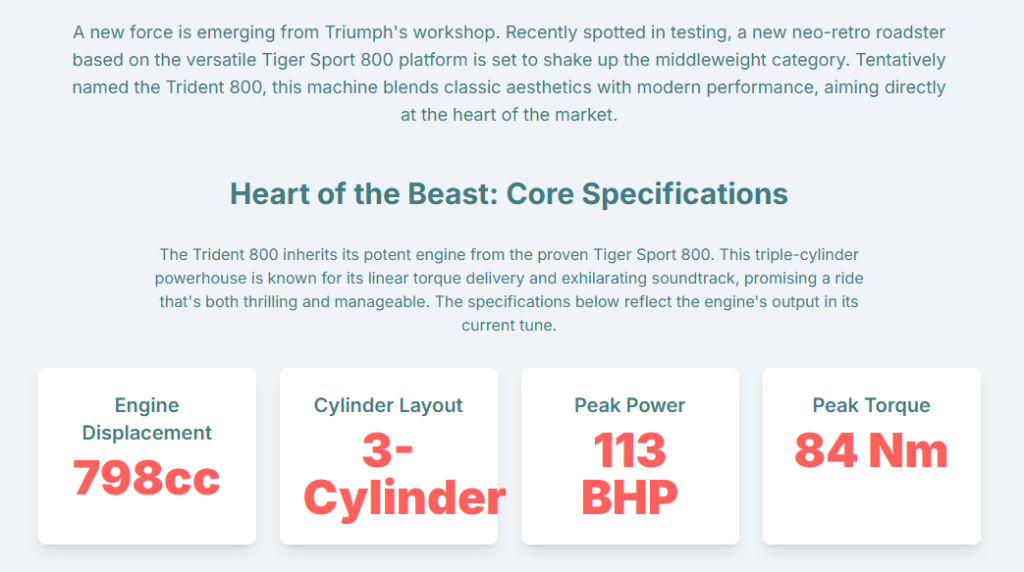
The heart of the new Trident 800 is the 798cc, liquid-cooled, 3-cylinder engine, which is a new platform for Triumph.7 This DOHC, 12-valve inline triple has a bore of 78.0 mm and a stroke of 55.7 mm, with a compression ratio of 13.2:1.8 In its current application in the Tiger Sport 800, this engine produces a claimed 113 HP (115 PS) at 10,750 rpm and 84 Nm of torque at 8,500 rpm.2
A closer look at this engine reveals a sophisticated tuning strategy. It is described as a hybrid that takes a big swig of the Street Triple’s vivacious character but with a more robust spread of power.9 This indicates a deliberate tuning choice to offer a strong, accessible powerband, as opposed to a peaky, high-revving character. The engine pulls smoothly from low RPMs 9, which is a significant advantage for a roadster intended for spirited street riding. The existence of three riding modes (Rain, Road, Sport) and a Bosch electronic fuel injection system further allows for a tailored riding experience, adapting the engine’s power characteristics and traction control to changing environments and rider preferences.8
4.2. Chassis & Handling: From Adventure-Touring to Roadster Dynamics
The foundation of the Trident 800’s handling will be the Tiger Sport 800’s chassis, which is characterized by a tubular steel perimeter frame and a fabricated steel swingarm.7 The Tiger Sport 800 has a wheelbase of 1422 mm, a rake of 23.8º, and a trail of 99 mm.7 These dimensions contribute to the bike’s confidence-inspiring, agile, and responsive handling.7 The suspension consists of a Showa 41mm inverted cartridge fork with adjustable compression and rebound damping, and a Showa monoshock RSU with adjustable rebound damping and remote hydraulic preload adjustment.7
The spy images suggest that the Trident 800 will have “different ergonomics” from its adventure-touring sibling.1 This is a critical modification. By changing the handlebar and footpeg position, Triumph can transform the riding triangle from the Tiger’s “roomy, upright riding position” 7 to a more aggressive, forward-leaning stance that is more typical of a roadster. However, by keeping the core chassis geometry unchanged, the Trident 800 is expected to maintain the same stable and predictable handling characteristics that define the Tiger Sport 800, which are well-suited for a variety of riding conditions, from tight city streets to sweeping curves.6 This approach provides a stable platform for a sporty ride, without the twitchy and hyper-responsive nature of a dedicated sportbike like the Street Triple. The Trident 800’s handling will be a fusion of a sport-tourer’s stability with a roadster’s dynamic feel, providing a unique ride experience in its class.
4.3. Electronics and Rider Technology: A Feature-by-Feature Review
It is a reasonable projection that the Trident 800 will inherit a comprehensive suite of electronics from the Tiger Sport 800. These features, which are praised for enhancing safety and ride enjoyment, include Cornering ABS, switchable traction control, and three distinct rider modes (Rain, Road, Sport).7 The availability of a standard quickshifter for seamless, clutchless upshifts and cruise control further positions the motorcycle as a premium and technologically advanced offering.6
The instrumentation is expected to be a multifunction LCD with an integrated color TFT screen, similar to the Tiger Sport 800.6 This high level of technology is a major differentiator in the neo-retro segment and will be a key selling point. The inclusion of advanced electronics like Optimized Cornering ABS and Traction Control, which are facilitated by an Inertial Measurement Unit (IMU) on the Street Triple 12, enhances safety and confidence, appealing to a broad range of riders. The availability of optional accessories such as Bluetooth connectivity and heated grips will allow riders to further personalize their experience.8
Chapter 5: Strategic Recommendations and Market Forecast
5.1. Optimal Pricing Strategy
The success of the Trident 800 will be heavily influenced by its pricing. The new Tiger Sport 800 starts at $12,495 6, while the Street Triple 765 RS starts at a higher price point.11 Key rivals like the Yamaha XSR900 are priced at $10,599, and the Kawasaki Z900RS ABS is priced at $12,649.13 To maximize its market appeal, the Trident 800 should be priced strategically to be perceived as a premium value proposition. An optimal price point is projected to be between $11,500 and $12,000. This places it at a premium to the XSR900 and a slight discount to the Z900RS, while still being a more accessible and style-oriented alternative to the Street Triple. This price point would make the Trident 800 a compelling option that provides a superior blend of performance, style, and technology for its cost.
5.2. Target Audience Profile & Marketing Messaging
The ideal target audience for the Trident 800 is a style-conscious rider who appreciates the blend of classic aesthetics and modern performance. This rider may be a returning motorcyclist who is familiar with British heritage or a new rider seeking a powerful but approachable motorcycle that stands out from the crowd. The marketing message should be centered on the emotional and visceral aspects of the ride. Emphasis should be placed on the unique character and exhilarating soundtrack of the triple engine, the effortless torque delivery for city riding, and the bike’s confidence-inspiring handling. The messaging should steer away from raw performance figures and track-day capability, which are the domain of the Street Triple. A tagline such as, “The Spirit of a Classic, the Soul of a Sportbike,” would effectively capture the essence of its unique market position.
5.3. Predicted Market Reception and Sales Impact
Strong market reception is predicted for the Trident 800, driven by its unique positioning and the proven success of the Trident 660. The motorcycle is poised to attract a new demographic to the Triumph brand and provides a perfect and logical upgrade path for current Trident 660 owners. This new model is a low-risk, high-reward proposition for Triumph, as it leverages an existing platform to penetrate a new market segment. The success of the Trident 800 will also validate Triumph’s new modular platform strategy, proving that the 798cc triple engine platform is a versatile and efficient foundation for a variety of models, from adventure-touring to neo-retro roadsters. This success could potentially pave the way for future models built on this platform, such as a “Street Scrambler 800,” further expanding Triumph’s market presence at a reduced cost.
Conclusion
The spied Triumph Trident 800 is a meticulously calculated strategic move by Triumph to solidify its position in the middleweight motorcycle market. By leveraging the Tiger Sport 800 platform and drawing on the successful design language of the Trident 660, Triumph is creating a distinct and highly marketable product. It is a premium, powerful, and technologically advanced neo-retro roadster that is deliberately positioned to complement, not compete with, the high-performance Street Triple 765. This product portfolio management allows Triumph to serve two different customer bases with two different bikes, both powered by its signature triple engine.
This motorcycle represents a crucial step in Triumph’s ongoing product strategy. It offers a compelling blend of accessible power, timeless style, and modern technology. The Trident 800 is poised to capture a new generation of riders and solidify Triumph’s reputation as a leader in the diverse and evolving motorcycle industry.
Sources
- Triumph Trident 800 spied for the first time – Team-BHP, accessed on September 10, 2025, https://www.team-bhp.com/forum/superbikes-imports/299070-triumph-trident-800-spied-first-time.html
- Triumph Trident 800 spied for the first time – Team-BHP, accessed on September 10, 2025, https://www.team-bhp.com/news/triumph-trident-800-spied-first-time
- Triumph Trident 660 – Wikipedia, accessed on September 10, 2025, https://en.wikipedia.org/wiki/Triumph_Trident_660
- Trident 660 Model | For the Ride – Triumph Motorcycles, accessed on September 10, 2025, https://www.triumphmotorcycles.com/motorcycles/roadsters/trident/trident-660
- Top 10 best middleweight naked motorcycles of 2025 – Visordown, accessed on September 10, 2025, https://www.visordown.com/features/top-10s/top-10-best-middleweight-naked-motorcycles
- All New Tiger Sport 800 | For the Ride – Triumph Motorcycles, accessed on September 10, 2025, https://www.triumphmotorcycles.com/motorcycles/adventure/tiger-sport-800/tiger-sport-800-2025
- TRIUMPH REVEALS ALL-NEW TIGER SPORT 800, accessed on September 10, 2025, https://triumph-mediakits.com/en/news-articles/triumph-reveals-all-new-tiger-sport-800.html
- Tiger Sport 800 Specification | For the Ride – Triumph Motorcycles, accessed on September 10, 2025, https://www.triumphmotorcycles.com/motorcycles/adventure/tiger-sport-800/specification
- 2025 Triumph Tiger Sport 800 Review | First Ride – Rider Magazine, accessed on September 10, 2025, https://ridermagazine.com/2025/03/21/2025-triumph-tiger-sport-800-review-first-ride/
- 2025 Triumph Tiger Sport 800 Review – Cycle News, accessed on September 10, 2025, https://www.cyclenews.com/2025/03/article/2025-triumph-tiger-sport-800-review/
- Street Triple 765 Specification | For the Ride – Triumph Motorcycles, accessed on September 10, 2025, https://www.triumphmotorcycles.com/motorcycles/roadsters/street-triple-765/specification
- Street Triple 765 RS Model | For the Ride – Triumph Motorcycles, accessed on September 10, 2025, https://www.triumphmotorcycles.com/motorcycles/roadsters/street-triple-765/street-triple-765-rs-2023
- Top 10 Retro Roadster Motorcycles You Can Buy in 2025 – Viking …, accessed on September 10, 2025, https://www.vikingbags.com/blogs/news/retro-roadster-motorcycles
- www.zigwheels.com, accessed on September 10, 2025, https://www.zigwheels.com/triumph-bikes/street-triple/comparisons#:~:text=Monster%20and%20Z900%20are%20top,have%20compariable%20features%20and%20specifications.
- Compare Street Triple 765 with Similar Bikes – ZigWheels.com, accessed on September 10, 2025, https://www.zigwheels.com/triumph-bikes/street-triple/comparisons
- Tiger Sport 800 | For the Ride – Triumph Motorcycles, accessed on September 10, 2025, https://www.triumphmotorcycles.com/motorcycles/adventure/tiger-sport-800
Our Social Media Handles
- Instagram : LivingWithGravity
- Medium : Akash Dolas
- YouTube Channel : Gear and Shutter
- Facebook : LivingWithGravity