









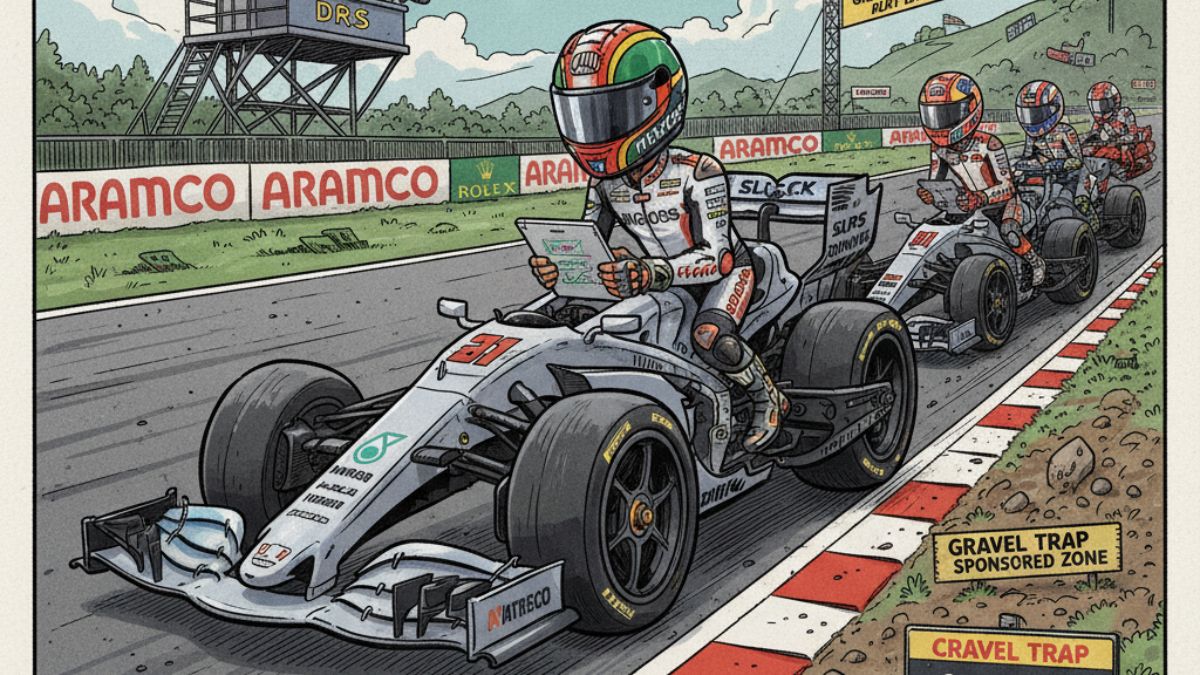
Executive Summary: The “F1-ification” of MotoGP’s Paddock
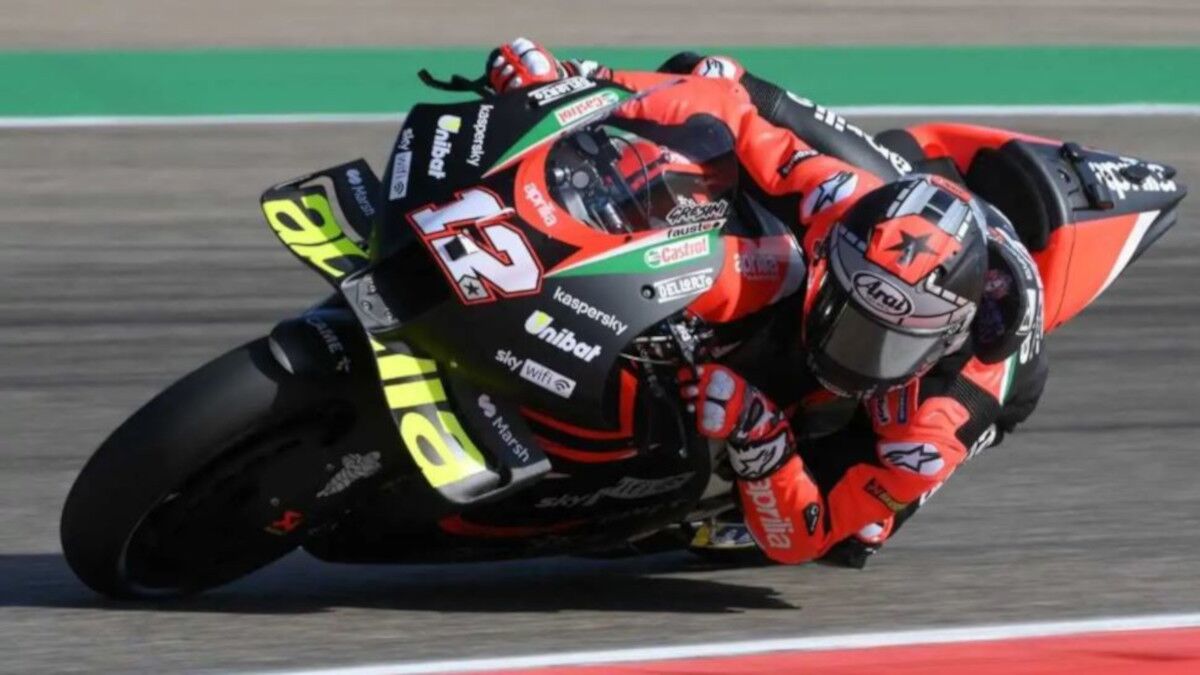
Under the new ownership of Liberty Media, the organizers of Formula 1, MotoGP is undergoing a significant transformation, with a central theme being the “F1-ification” of the sport. A major structural change, set to take effect for the 2026 season, is the relocation of Moto2 and Moto3 classes from the main MotoGP pit lane to separate, temporary facilities. This move, which mirrors the F1 support series paddock structure, is designed to enhance the focus, attention, and space on the premier class, MotoGP. This analysis delves into the compelling arguments for and against this change, drawing on research into Liberty Media’s business strategy, F1’s successful model, and the expressed concerns and reviews from within the MotoGP paddock.
Research & Rationale: Why Liberty Media is Making This Move
Liberty Media’s Acquisition and Strategy: Liberty Media completed its acquisition of Dorna Sports, the commercial rights holder for MotoGP, in July 2025. The purchase, valued at €4.3 billion, is a strategic move to apply the successful F1 business model to MotoGP. Liberty’s strategy with F1 has been a masterclass in marketing and commercialization, focusing on increasing the sport’s global appeal, particularly in new markets like the United States. Key to this was a “premiumization” of the F1 brand, which included enhancing the on-site fan experience and maximizing the premier class’s visibility. The proposed MotoGP paddock changes are a direct extension of this philosophy.
The F1 Model as a Blueprint: The F1 paddock is a prime example of a premium, exclusive, and highly commercialized space. Support series like Formula 2 and Formula 3 operate from a separate, often less glamorous area of the paddock, using temporary tent-like structures. This separation serves several key purposes for F1:
- Focus on the Premier Product: It ensures that the F1 pit lane and paddock are dedicated to the 10 teams and 20 drivers of the pinnacle series, creating an aura of exclusivity and importance.
- Enhanced Paddock Hospitality: The freed-up space in the main pit lane allows F1 teams to construct elaborate, multi-story hospitality units (“motorhomes” in Europe) that are vital for entertaining sponsors, media, and VIPs. This is a critical revenue stream and a core part of the high-end F1 experience.
- Streamlined Logistics: By having a separate paddock for support series, the logistical footprint of the main F1 operation is reduced, making it more efficient to transport and set up the garages, particularly at “flyaway” races.
Marketing Analysis: The Compelling Case for “F1-ification”
From a marketing perspective, this structural change is a bold and calculated move.
- Elevating the MotoGP Brand: By isolating the MotoGP class, Liberty Media aims to elevate it to a more exclusive and “premium” tier. This is a deliberate strategy to attract larger, more lucrative sponsorship deals that demand a high-visibility, uncluttered environment. The goal is to make a MotoGP paddock pass a truly rare and valuable commodity, akin to F1’s.
- Maximizing Broadcast and Media Attention: The current MotoGP paddock, with its three classes, can feel chaotic. By separating them, broadcasters and media will have a clear, focused narrative: MotoGP is the main event. This will be reinforced by directives from Dorna (under Liberty’s control) to emphasize premier-class achievements over those of the junior categories.
- Improving the Fan and VIP Experience: For paying guests and Paddock Club members, the main MotoGP paddock will become a more exclusive and less crowded space. This aligns with Liberty’s F1 strategy of creating a high-end, aspirational product for a new, affluent audience.
Competitors & Alternatives
While no direct competitor to MotoGP on a global scale exists, the sport’s primary rival for fan attention and commercial investment is Formula 1. The paddock changes are a direct response to F1’s dominant model. The alternative, of course, is the traditional MotoGP paddock structure.
The Traditional MotoGP Model: For decades, MotoGP’s paddock has been a shared space, a “family” atmosphere where all three classes coexisted. Moto2 and Moto3 teams have been an integral part of this, sharing the pit lane and hospitality units. This has been a source of pride for the sport, fostering a sense of community and providing direct visibility for young riders and their sponsors.
Review, Likes, and Dislikes
This proposed change has been met with a mix of anticipation and apprehension, with strong opinions from various stakeholders.
Likes (The Proponents):
- MotoGP Teams and Manufacturers: The promise of larger, more functional garages and increased space for hospitality and media operations is a significant benefit. This allows premier-class teams to operate more like their F1 counterparts, with greater efficiency and a more professional presentation for sponsors.
- Liberty Media/Dorna Management: The move is a core part of their strategy to enhance MotoGP’s commercial appeal and profitability. They see it as a necessary step to unlock the sport’s full potential, attracting new fans and revenue streams.
- Newer Fans: Fans who have come to MotoGP from F1 may find the new structure more familiar and appealing, with a clear focus on the premier class. The changes could also lead to more accessible “behind-the-scenes” content, following the success of Netflix’s Drive to Survive.
Dislikes (The Critics):
- Moto2 and Moto3 Teams: This is the most vocal group of opposition. They have expressed “significant apprehension” about the proposals. Their primary concerns are:
- Reduced Visibility: Moving away from the main paddock will severely limit their exposure to media, corporate sponsors, and MotoGP team principals. For teams that rely heavily on sponsorship, this could make it much harder to secure funding.
- Decreased Funding: With less visibility, sponsorship value will likely plummet, potentially forcing teams to seek “pay drivers” who can bring financial backing, a model common in F2 and F3 but less so in the Moto2/3 paddock. This could fundamentally change the sport’s “merit-based” talent pipeline.
- Riders and the “Road to MotoGP”: Critics, including some riders, argue that this move devalues the junior classes. The shared paddock has always been a key part of the “Road to MotoGP,” allowing young riders to be seen and interact with their heroes. This structural separation could diminish the perceived importance of winning a Moto2 or Moto3 championship.
- Die-hard Fans: Many longtime MotoGP fans cherish the sport’s unique, accessible, and “family” atmosphere. They view the paddock as a place where the stars of the future are rubbing shoulders with the legends of today. The F1-ification is seen as a betrayal of this core identity, sacrificing the sport’s soul for corporate profit. Reddit forums and social media have seen strong negative reactions, with users lamenting the “ruining” of the sport.
Conclusion
The “F1-ification” of the MotoGP paddock is not a minor cosmetic change; it is a fundamental shift in the sport’s identity and commercial strategy. Liberty Media is applying a proven, successful blueprint to unlock MotoGP’s commercial potential. While the move promises increased profitability, a more streamlined and “premium” product for sponsors and a new demographic of fans, it comes at a significant cost. The separation of Moto2 and Moto3 risks marginalizing the very classes that have been the lifeblood of the sport, threatening the talent pipeline and the grassroots charm that has long been one of MotoGP’s most compelling features. The success of this change will ultimately be measured not only in revenue growth but also in whether the sport can maintain the authentic, passionate community that has defined it for decades.
Sources
Liberty Media Acquisition & Strategy
- “Liberty Media completes its purchase of MotoGP” – Motorsport.com: https://www.motorsport.com/motogp/news/liberty-media-completes-the-purchase-of-motogp/10739037/
- “European Commission Approves Liberty Media’s Acquisition of MotoGP” – Liberty Media press release: https://www.libertymedia.com/investors/news-events/press-releases/detail/561/european-commission-approves-liberty-medias-acquisition
- “How Liberty Media’s immersion in MotoGP intensified at Misano” – Motorsport.com: https://www.motorsport.com/motogp/news/how-liberty-medias-immersion-in-motogp-intensified-at-misano/10760291/
Paddock and Structural Changes
- “F1-style MotoGP shake-up means big Moto2/3 change” – The Race: https://www.the-race.com/motogp/motogp-shake-up-means-big-moto2-3-change/
- “What’s new in MotoGP 2026 provisional calendar” – The Race: https://www.the-race.com/motogp/motogp-2026-calendar-provisional/
- “EXPLAINED – What is Guided Paddock Access?” – F1 Experiences: https://f1experiences.com/blog/explained-what-is-guided-paddock-access
- “What’s in a Paddock?” – Red Bull Racing: https://www.redbullracing.com/int-en/bulls-guide-to-the-paddock
Community Reactions
- “The ‘F1-ification’ of MotoGP misses the point” – The Race: https://www.the-race.com/motogp/motogps-attempts-to-mimic-f1-are-badly-missing-the-point/
- Reddit discussion on paddock changes: https://www.reddit.com/r/motogp/comments/1ngxy20/f1style_motogp_shakeup_means_big_moto23_change/
Our Social Media Handles
- Instagram : LivingWithGravity
- Medium : Akash Dolas
- YouTube Channel : Gear and Shutter
- Facebook : LivingWithGravity